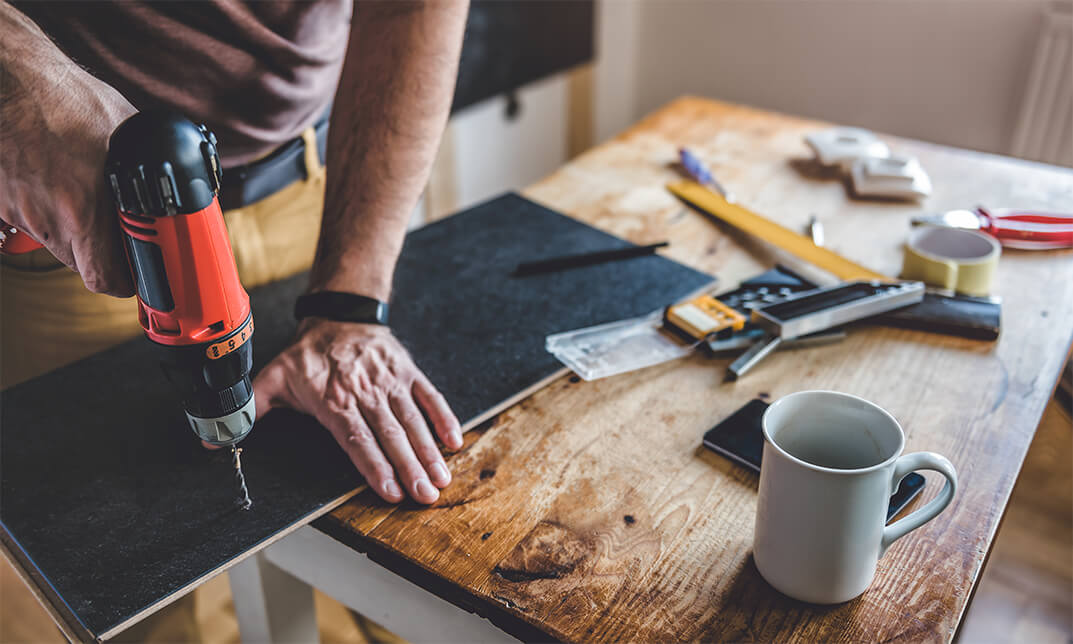
Advanced Diploma in DIY
 565 Students

 14-Day Money-Back Guarantee
-
1 Year Access
 -
Level 4 - Adv. Diploma Skill Level
 -
Course Certificate Certificate
 -
61 Units
Units -
2 Quizzes
 -
1 day, 14 hours Duration
Description:
DIY, an acronym of Do-It-Yourself is the process of making something instead of buying it. Learning how to do this will not only help you save, but also it will help you create or customise something you like for yourself. Owning a home-related business can be another option if you are diligent in creating your stuff. Learning about the basics of DIY could be a great help which this course is designed for. This course also includes lessons on home improvements and professional repairing that could give you DIY ideas to fully utilize your potentials in DIYs.
Who is the course for?
- Professionals who want to learn about DIY and make a business out of it.
- People who have an interest in DIY home improvements.
Entry Requirement:
- This course is available to all learners, of all academic backgrounds.
- Learners should be aged 16 or over to undertake the qualification.
- Good understanding of English language, numeracy and ICT are required to attend this course.
Assessment:
- At the end of the course, you will be required to sit an online multiple-choice test. Your test will be assessed automatically and immediately so that you will instantly know whether you have been successful.
- Before sitting for your final exam you will have the opportunity to test your proficiency with a mock exam.
Certification:
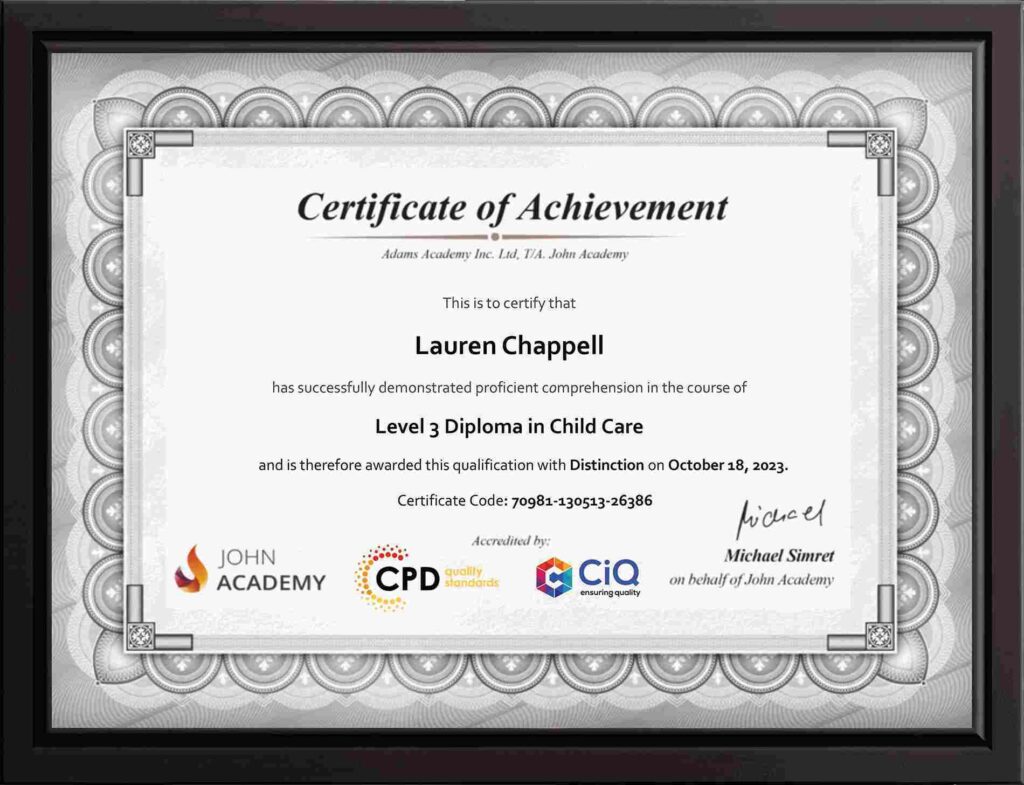
- After you have successfully passed the test, you will be able to obtain an Accredited Certificate of Achievement. You can however also obtain a Course Completion Certificate following the course completion without sitting for the test. Certificates can be obtained either in hardcopy at a cost of £39 or in PDF format at a cost of £24.
- PDF certificate’s turnaround time is 24 hours and for the hardcopy certificate, it is 3-9 working days.
Why choose us?
- Affordable, engaging & high-quality e-learning study materials;
- Tutorial videos/materials from the industry leading experts;
- Study in a user-friendly, advanced online learning platform;
- Efficient exam systems for the assessment and instant result;
- The UK & internationally recognised accredited qualification;
- Access to course content on mobile, tablet or desktop from anywhere anytime;
- The benefit of career advancement opportunities;
- 24/7 student support via email.
Career Path:
The Advanced Diploma in DIY course is a useful qualification to possess, and will be very helpful to have especially for these careers:
- Caretaker
- Home Decorator
- Home Designer
- Home Improvements Specialist
- Interior Designer
- Product Creator.
-
 Secrets to Install Laminate Flooring 01:00:00
 -
So, you want to do a Textured Ceiling! 00:30:00
-
Copper Bathroom Sinks Add an Easy Elegant Touch 00:30:00
-
Do It Yourself Home Sprinkler System 00:30:00
-
Easy Installation of Vinyl Replacement Windows 00:30:00
-
Installing a Drop Ceiling 01:00:00
-
Oval Bathroom Mirror 01:00:00
-
Making Your Own Kitchen Cabinets 00:30:00
-
Making a Faux Metal Ceiling 01:00:00
-
Painting a Bathroom 00:30:00
-
Building a Home Swimming Pool 00:30:00
-
Decorating Those Small Box Rooms 00:30:00
-
DIY Projects To Increase The Value of Your Home 01:00:00
-
DIY Remodeling on a Budget 01:00:00
-
Caring For Your Wooden Floor 00:30:00
-
Things to Consider 00:30:00
-
Using tiles to brighten your home 00:30:00
-
Home Renovation Survival 00:30:00
-
Choosing An Alarm System, Hardware AND People 00:30:00
-
Choosing A Contractor 01:00:00
-
Pollution and Remodeling 00:30:00
-
Do It Yourself Bathroom Remodeling 00:30:00
-
Tips for Installing Leak-proof Showers 00:30:00
-
Do It Yourself Kitchen Remodeling 00:30:00
-
Installing Kitchen Cabinets 00:30:00
-
Choosing Countertops 00:30:00
-
Adding A Bedroom 00:30:00
-
Basement Problems Turned Around 00:30:00
-
Options for Lighting Your Home 00:30:00
-
How To Lay Indoor-Outdoor Carpet 00:30:00
-
Tips for Installing A Tile Floor 00:30:00
-
How To Prepare to Install Moulding 01:00:00
-
TV Stand Design Ideas 00:30:00
-
Home Air Conditioning Maintenance Made Easy 01:00:00
-
How To Diagnose Central Heating Systems 00:30:00
-
Insulation 00:30:00
-
Fixing Your Sink 00:30:00
-
Fixing Clogged Pipes and Drains 00:30:00
-
Replacing Screens 00:30:00
-
Replacing Doors 01:00:00
-
Six Tips For Decks Built to Last 00:30:00
-
Three Steps To Refinish Your Decks 00:30:00
-
Installing Your Hot Tub 00:30:00
-
Low Hassle Exterior Painting 00:30:00
-
Low Hassle Roof Repair 00:30:00
-
Gardens for Profit and Beauty 01:00:00
-
Judging Construction 00:15:00
-
Judging Construction – Ground and Walls 00:30:00
-
Essential Tools For Your Toolbox 00:30:00
-
Woodworking Ideas And Skills 00:30:00
-
Bandsaw 01:00:00
-
Router 01:00:00
-
Basic Ideas Of Plumbing 00:30:00
-
Basic Plumbing 01:00:00
-
Basic Ideas Of Electronics 01:00:00
-
Repairing an old ceiling 01:00:00
-
Advanced Ideas And Skills Of Electronics 00:30:00
-
How To Protect Yourself From Injuries 01:00:00
-
Order Your Certificates and Transcripts
What Our Students are Saying

Sam Carpenter
John Academy has helped me in my development, and I took the courses seriously and gained a qualifications certificate, which I've wanted to do for a long time. I highly recommend it, and a few friends have signed up, too. Thank you, John Academy.
Georgina Salazar
Easy to access, generous options for multiple learning and approaches. Supportive team.
Wayne Wright
The course empowers me to make my dreams come true. The course material was excellent. John Academy is good to study.
Romina
I am thankful that I have chosen John Academy for my online courses. It has given me a platform where I have learned a lot. It has so many reading materials with a handful of knowledge. Once again, thank you so much to the John Academy support team, who has cooperated & supported me throughout this journey.
Peter Gilbert
Brilliant course, with so many to choose from, very good value and a certificate at the end. Quick turnaround to receive a certificate. Very good academy I have completed several and have 2 ongoing at the moment. Never had any problems. Excellent customer service. Would recommend.

Other Students Also Bought