Children's Social Behaviour Training & Management Course

Supporting children’s emotional, social, and behavioural development is essential for helping them grow into confident, respectful, and resilient individuals. Positive …

(345 Reviews)

stds1184 Students

logo

Get access to 3000+ courses including this for a year only at £49. GET NOW

Children's Social Behaviour Training & Management Course

Join thousands of learners building a successful career

14-Day Money-Back Guarantee

Supporting children’s emotional, social, and behavioural development is essential for helping them grow into confident, respectful, and resilient individuals. Positive behaviour management plays a vital role in homes, schools, childcare settings, and community environments, enabling children to develop healthy relationships, emotional regulation, and effective communication skills. The Children’s Social Behaviour Training & Management Course is designed to equip learners with the knowledge and practical strategies needed to understand children’s behaviour and encourage positive social development.

Whether you are a parent, teacher, teaching assistant, childcare practitioner, or someone interested in child development, this course provides a structured and practical learning experience. It focuses on positive behaviour management techniques, child psychology principles, communication skills, and effective approaches to supporting children’s emotional and social wellbeing.

Course Overview

The Children’s Social Behaviour Training & Management Course offers a practical understanding of why children behave the way they do and how positive guidance can support their social and emotional development. Throughout the course, you’ll explore child behaviour management, positive discipline, emotional intelligence, communication, encouragement, and age-appropriate learning strategies. You’ll also discover how different parenting and teaching styles influence children’s behaviour while gaining practical techniques for responding to challenging situations with patience, consistency, and respect. 

By learning how to create supportive environments where children feel safe, valued, and motivated, you’ll build the confidence to encourage positive behaviour and healthy emotional growth in both home and educational settings.

Learning Outcomes

By completing this Children’s Social Behaviour Training & Management Course, you will be able to:

  • Understand the principles of children’s social and behavioural development.
  • Identify factors that influence children’s behaviour and emotional wellbeing.
  • Apply positive behaviour management techniques in everyday situations.
  • Build respectful relationships through effective communication and encouragement.
  • Promote emotional intelligence and self-confidence in children.
  • Manage challenging behaviour using supportive and constructive approaches.
  • Encourage positive social interaction and cooperation among children.
  • Understand the role of parents, carers, and educators in behaviour development.
  • Create safe, inclusive, and nurturing environments for children’s learning and growth.
  • Apply practical behaviour management strategies in schools, childcare settings, and family environments.

Why Enrol in This Course?

The demand for professionals who understand child behaviour and positive behaviour management continues to grow across education, childcare, and family support services. Enrolling in the Children’s Social Behaviour Training & Management Course will provide you with the knowledge and confidence to support children’s healthy emotional and social development.

Key benefits include:

  • Gain a strong understanding of child behaviour and development.
  • Learn positive and practical behaviour management strategies.
  • Improve communication and relationship-building skills with children.
  • Understand how to encourage confidence, cooperation, and emotional resilience.
  • Develop skills valued in education, childcare, and family support roles.
  • Study online at your own pace with flexible learning.
  • Suitable for beginners with no previous experience required.
  • Earn a recognised CPD-accredited qualification to enhance your professional profile.

This course is ideal for anyone wishing to improve their understanding of children’s behaviour while supporting positive development in educational or home environments.

Who is this course for?

This Children’s Social Behaviour Training & Management Course is suitable for a wide range of learners, including:

  • Parents and guardians seeking positive parenting strategies.
  • Teachers and teaching assistants.
  • Nursery practitioners and childcare professionals.
  • Childminders and early years educators.
  • Foster carers and family support workers.
  • Social care professionals working with children.
  • Students interested in child psychology or education.
  • Anyone who wants to develop skills in children’s behaviour management.

Whether you are beginning your career or looking to strengthen your existing knowledge, this course provides valuable practical skills for supporting children’s development.

Prerequisites

There are no formal entry requirements for this course. It has been designed to be accessible to learners from all educational and professional backgrounds.

However, the following may be helpful:

  • Basic understanding of English.
  • Interest in child development or education.
  • Passion for supporting children’s wellbeing and learning.
  • Motivation to develop practical behaviour management skills.

This makes the course suitable for both beginners and experienced professionals seeking to update their knowledge.

Certification

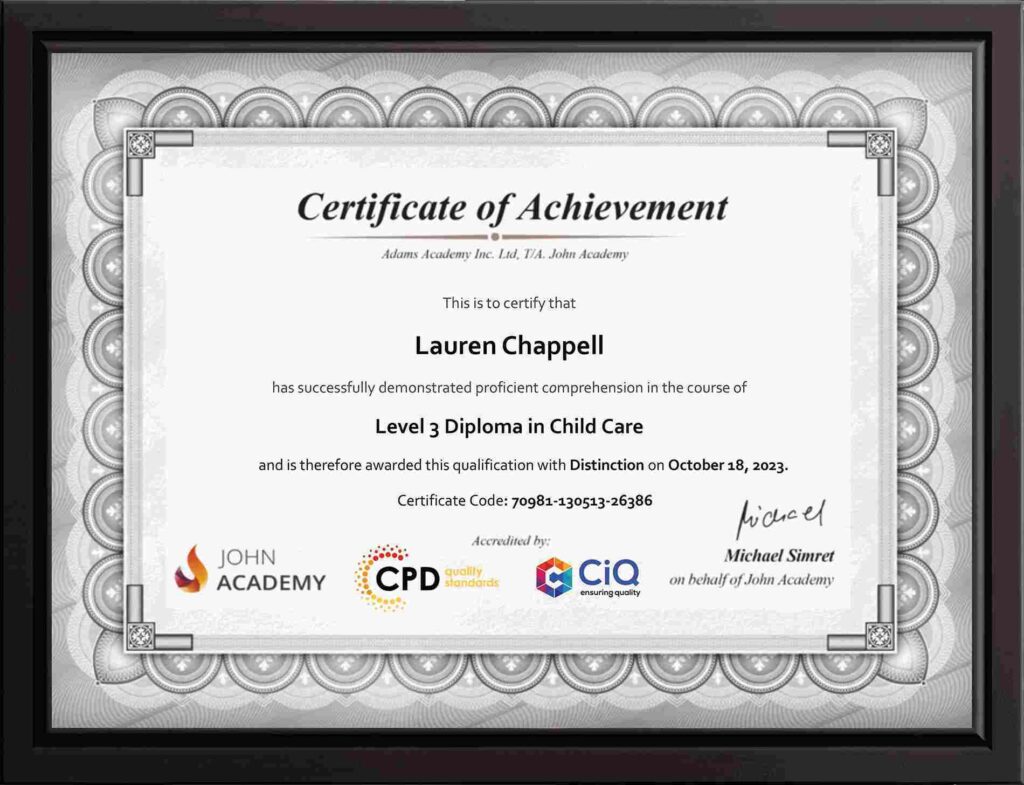
After successfully completing this course, you will receive an Accredited Certificate of Achievement endorsed by CPD, UKRLP, AoHT, and Incensu. Certificates and transcripts are available in:

  • PDF format for £11.99
  • Hard copy for £14.99

John-Certificate-MockupJohn-Certificate-Mockup

Career Path​

Completing the Children’s Social Behaviour Training & Management Course can open opportunities across education, childcare, and family support services. Employers increasingly value professionals who can confidently support children’s emotional wellbeing and positive behaviour.

Potential career roles include:

  • Teaching Assistant – £19,000 to £27,000 annually

Support children’s learning, behaviour, and classroom participation.

  • Nursery Practitioner – £20,000 to £28,000 annually

Promote children’s development through structured learning and positive behaviour guidance.

  • Childcare Practitioner – £20,000 to £30,000 annually

Provide high-quality care while supporting children’s emotional and social growth.

  • Learning Support Assistant – £21,000 to £30,000 annually

Work with children requiring additional behavioural or educational support.

  • Family Support Worker – £24,000 to £38,000 annually

Help families develop positive parenting strategies and improve children’s wellbeing.

  • Early Years Practitioner – £21,000 to £32,000 annually

Support young children’s learning, development, and social behaviour in early years settings.

Children's Social Behaviour Training & Management Course

Excellent
Based on
345 Reviews
Charlotte Evans GB

I found this course extremely helpful and well-structured. It provided clear strategies for understanding and managing children’s behaviour effectively. The content was easy to follow and very practical. I would highly recommend it to anyone working with children.

Course Curriculum

  • video The Three Modes of Management
    01:00:00
  • video What Are Gentle Measures?
    01:00:00
  • video There Must be Authority
    01:00:00
  • video Gentle Punishment Of Disobedience
    01:00:00
  • video The Philosophy of Punishment Action
    01:00:00
  • video Rewarding Obedience
    01:00:00
  • video The Art of Training Delivery
    01:00:00
  • video Methods Exemplified
    01:00:00
  • video Della and The Dolls
    01:00:00
  • video The Child With The Parent
    01:00:00
  • video The Parent With The Child
    01:00:00
  • video Difference Between Commendation and Encouragement
    01:00:00
  • video Faults of Immaturity
    01:00:00
  • video Activities for kids Early Learning
    01:00:00
  • video The Role of Imagination in Children`s development
    01:00:00
  • video Truth and Falsehood
    01:00:00
  • video Judgement and Reasoning
    01:00:00
  • video Wishes and Requests
    01:00:00
  • video Children`s Questions
    01:00:00
  • video The Use of Money
    01:00:00
  • video Corporal Punishment
    01:00:00
  • video Gratitude in Children
    01:00:00
  • video Religious Training
    01:00:00
  • video CONCLUSION
    00:30:00

Frequently Asked Questions

1. What is child behaviour management?

Child behaviour management involves guiding children toward positive behaviour through clear expectations, encouragement, appropriate consequences, communication, and consistent boundaries. It helps children develop self-control, social skills, responsibility, judgement, and respectful relationships with others.

2. How can parents manage challenging child behaviour?

Parents can manage challenging behaviour by setting consistent boundaries, communicating calmly, encouraging positive actions, using appropriate consequences, and understanding individual needs. Consistent guidance helps children develop emotional regulation, cooperation, confidence, and healthier social behaviours.

3. What are effective ways to encourage children?

Effective encouragement includes recognising positive behaviour, offering genuine praise, providing age-appropriate responsibilities, listening to children, and supporting their efforts. Encouragement builds confidence, motivation, independence, and a stronger willingness to learn and cooperate.

4. How does imagination support children's development?

magination supports children's development by encouraging creativity, communication, problem-solving, emotional expression, and social understanding. Imaginative activities allow children to explore ideas, practise different roles, develop reasoning skills, and learn through meaningful experiences.

5. Why is positive discipline important for children?

Positive discipline helps children understand boundaries without relying on harmful punishment. It combines clear expectations, encouragement, appropriate consequences, and respectful communication to develop self-control, responsibility, decision-making skills, and positive relationships with parents and others.