Electrician Training
 399 Students

 14-Day Money-Back Guarantee
-
1 Year Access
 -
Intermediate Skill Level
 -
Course Certificate Certificate
 -
11 Units
Units -
0 Quizzes
 -
1 hour, 15 minutes Duration
Course Overview
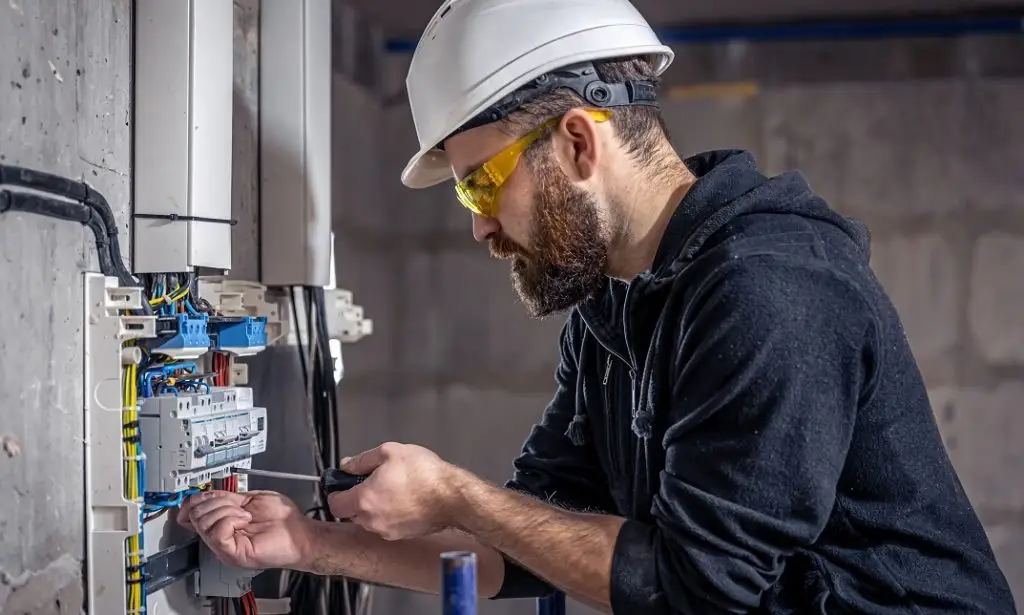
An electrician career is attractive in many ways. It’s an easier field to enter, opening opportunities for a life-long rewarding career. Our sole intention behind creating this Electrician Training is to give you insights into electrical circuits and guide you through your professional development.
In this Electrician Training, you’ll learn how to execute the typical duties of an electrician in more detail. The course covers a combination of skills required to connect wires and change the electric plugs and sockets. It will enhance your ability to wire an outlet with multiple sets of cables. Furthermore, you’ll get step-by-step instructions in connecting a single-pole switch, as well as troubleshooting broken light switches and electrical sockets. Our ultimate training will improve your ability in inspecting electrical systems, wiring and electrical equipment. Sign up today!
Learning Outcomes
- Learn how to connect wires
- Understand how to change the electrical plug and socket
- Get detailed instructions in wiring and installing an electric outlet
- Know how to wire a double socket
- Train yourself to install a single-pole switch
- Learn how to repair a broken light switch or electric socket
Certification
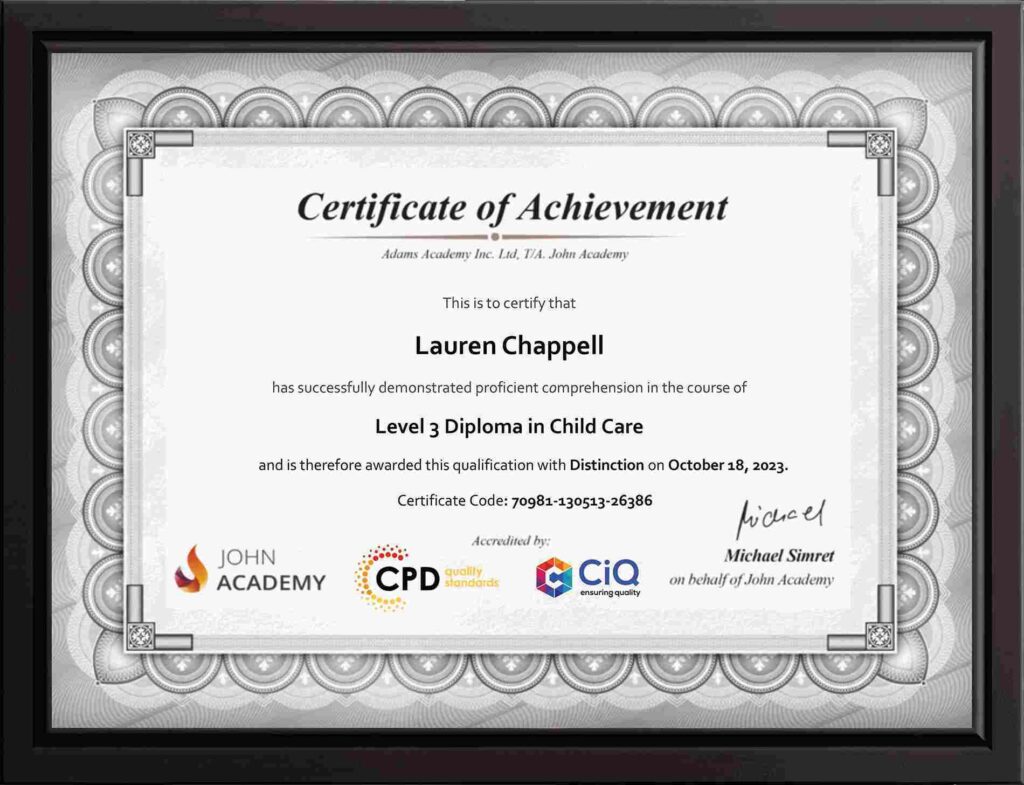
After completing and passing the course successfully, you will be able to obtain an Accredited Certificate of Achievement. Certificates can be obtained either in hard copy at a cost of £39 or in PDF format at a cost of £24.
Who is this Electrician Training for?
Electrician Training is certified by CPD Qualifications Standards and CiQ. This makes it perfect for anyone trying to learn potential professional skills.
As there is no experience and qualification required for this course, it is available for all learners and professionals from any background.
Requirements
Our Electrician Training is fully compatible with any kind of device. Whether you are using a Windows computer, Mac, smartphone or tablet, you will get the same experience while learning. Besides that, you will be able to access the course with any kind of internet connection from anywhere at any time without any kind of limitation.
Career Path
After completing this course you will be able to build up accurate knowledge and skills with proper confidence to enrich yourself and brighten up your career in the relevant job market. It would be beneficial for any related profession or industry, such as:
- Apprentice Electrician
- Industrial Electricians
- Commercial Electrician
- Residential Electrician
- Maintenance Electrician
- Auto Electrician
- Domestic Electrician
- Automotive Electrician
- Outside Lineman/ Electrician
- Journeyman Electrician
- Domestic installer
-
 1. Connecting wires (Cables) 00:09:00
 -
2. How to change the electric plug 00:13:00
-
3. How to change of the electric socket from single to double 00:05:00
-
4. Installation of the electric socket – single 00:08:00
-
5. How to install a electrical socket if you have two cable in electrical box 00:07:00
-
6. How to install a electrical socket if you have more than two cable 00:10:00
-
7. Connection of two electric socket 00:14:00
-
8. How to connect of a unipolar (single with one button) light switch 00:05:00
-
9. How to repair the light switch torn from the wall 00:02:00
-
10. How to repair the electric socket torn from the wall 00:02:00
-
Order Your Certificates and Transcripts
What Our Students are Saying

Sam Carpenter
John Academy has helped me in my development, and I took the courses seriously and gained a qualifications certificate, which I've wanted to do for a long time. I highly recommend it, and a few friends have signed up, too. Thank you, John Academy.
Georgina Salazar
Easy to access, generous options for multiple learning and approaches. Supportive team.
Wayne Wright
The course empowers me to make my dreams come true. The course material was excellent. John Academy is good to study.
Romina
I am thankful that I have chosen John Academy for my online courses. It has given me a platform where I have learned a lot. It has so many reading materials with a handful of knowledge. Once again, thank you so much to the John Academy support team, who has cooperated & supported me throughout this journey.
Peter Gilbert
Brilliant course, with so many to choose from, very good value and a certificate at the end. Quick turnaround to receive a certificate. Very good academy I have completed several and have 2 ongoing at the moment. Never had any problems. Excellent customer service. Would recommend.

Other Students Also Bought