Port Management Diploma
 73 Students


 14-Day Money-Back Guarantee
-
1 Year Access
 -
Diploma Skill Level
 -
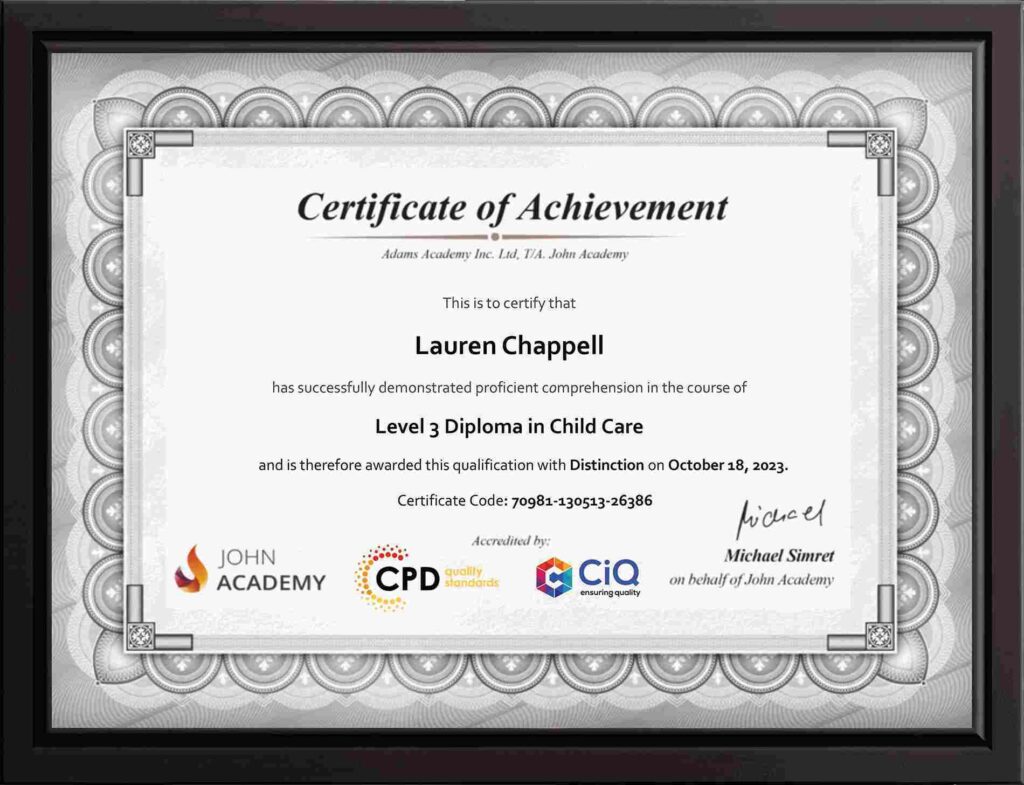
Course Certificate Certificate
 -
27 Units
Units -
2 Quizzes
 -
13 hours, 50 minutes Duration


-
 UK Ports Overview 00:30:00
 -
Fundamentals of Ports 00:45:00
-
Different Types of Port 00:45:00
-
Understanding Port and Terminal Management 00:30:00
-
Planning & Design 00:15:00
-
Financial & Professional Services 00:30:00
-
Port Management 00:15:00
-
Safety & Security 00:15:00
-
Port Equipment 00:30:00
-
Software & Solutions 00:30:00
-
Introduction to Port Development 00:45:00
-
Growth of the World’s Leading Ports 00:45:00
-
Developments in Terminal Operation 00:45:00
-
Introduction to Ship 00:30:00
-
Effect of Port Time on Ship Speed 00:30:00
-
Types of Port Ownership and Administration 00:45:00
-
Organisations Concerning Ports 00:30:00
-
The Rise and Fall of Ports 00:30:00
-
Information Technology in Logistics 00:30:00
-
Safety 00:20:00
-
Maritime Policy 00:30:00
-
Port Policy 00:45:00
-
Port Pricing 00:20:00
-
Glossary & Shipping Terms 01:00:00
-
Order Your Certificates and Transcripts
What Our Students are Saying

Sam Carpenter
John Academy has helped me in my development, and I took the courses seriously and gained a qualifications certificate, which I've wanted to do for a long time. I highly recommend it, and a few friends have signed up, too. Thank you, John Academy.
Georgina Salazar
Easy to access, generous options for multiple learning and approaches. Supportive team.
Wayne Wright
The course empowers me to make my dreams come true. The course material was excellent. John Academy is good to study.
Romina
I am thankful that I have chosen John Academy for my online courses. It has given me a platform where I have learned a lot. It has so many reading materials with a handful of knowledge. Once again, thank you so much to the John Academy support team, who has cooperated & supported me throughout this journey.
Peter Gilbert
Brilliant course, with so many to choose from, very good value and a certificate at the end. Quick turnaround to receive a certificate. Very good academy I have completed several and have 2 ongoing at the moment. Never had any problems. Excellent customer service. Would recommend.

Other Students Also Bought