Brainspotting Therapy: A Powerful Approach to Trauma Healing

(358 Reviews)

stds1246 Students

A Powerful Approach to Trauma Healing

GET ACCESS TO THIS COURSE ALONG WITH 3000+ ONLINE COURSES FOR A YEAR FOR JUST £49. GET NOW

Brainspotting Therapy: A Powerful Approach to Trauma Healing

Join thousands of learners building a successful career
14-Day Money-Back Guarantee

Brainspotting Therapy is an innovative, neuroscience-informed approach designed to help individuals process trauma, emotional distress, and unresolved psychological experiences. It is increasingly recognised within therapeutic and counselling fields as an effective method for accessing deep brain processing and supporting emotional healing.

The Brainspotting Therapy: A Powerful Approach to Trauma Healing course is designed to provide learners with a structured understanding of this powerful therapeutic model. It introduces the core principles, techniques, and clinical applications used in modern trauma-informed care. This training is suitable for those looking to expand their knowledge in mental health support, counselling, coaching, and therapeutic practice.

In today’s world, where mental health challenges are becoming more prevalent, Brainspotting Therapy offers a valuable framework for understanding how trauma is stored in the brain and how it can be safely processed. This course provides both theoretical foundations and practical insights into how Brainspotting can be used effectively in professional settings.

Course Overview

The Brainspotting Therapy course provides a comprehensive introduction to one of the most advanced trauma-focused therapeutic approaches. It is based on the understanding that eye position and focused attention can directly access unprocessed emotional experiences stored in the brain.

This course explains how Brainspotting Therapy works by helping individuals locate “brainspots”—specific eye positions that correlate with emotional activation in the brain. By maintaining focused awareness, individuals can process trauma at a deep neurological level, often beyond what traditional talk therapy achieves.

Learners will explore how Brainspotting supports emotional regulation, reduces trauma symptoms, and enhances psychological resilience. The course also explains how this method integrates with other therapeutic approaches, making it highly adaptable in clinical and counselling environments.

A strong emphasis is placed on understanding trauma responses, nervous system regulation, and the ethical use of Brainspotting techniques. This ensures learners develop both theoretical knowledge and responsible professional awareness.

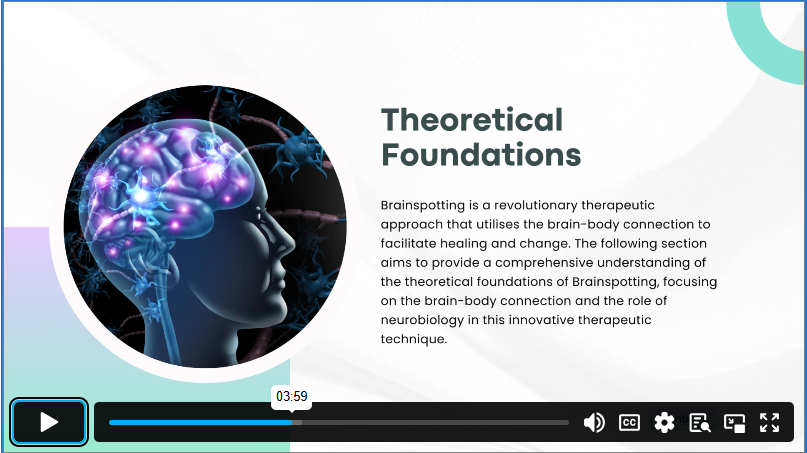
Course Preview

Learning Outcomes

By completing this Brainspotting Therapy course, you will be able to:

  • Understand the core principles and foundations of Brainspotting Therapy
  • Explain how trauma affects the brain and nervous system
  • Identify and describe the brainspotting processes and mechanisms
  • Apply basic Brainspotting techniques in therapeutic contexts
  • Understand how eye position influences emotional processing
  • Integrate Brainspotting with other therapeutic modalities
  • Recognise the applications of Brainspotting in trauma recovery
  • Work effectively with diverse populations in a therapeutic setting
  • Apply ethical guidelines in Brainspotting practice
  • Develop professional awareness in trauma-informed care environments

Why Enrol in This Course?

The demand for trauma-informed therapeutic approaches continues to grow as mental health awareness increases globally. Brainspotting Therapy is widely used by mental health professionals to help clients process deep emotional trauma in a safe and effective way.

Enrolling in this course provides several key benefits:

  • Gain in-depth knowledge of a modern trauma therapy approach
  • Understand how Brainspotting supports emotional healing
  • Learn practical techniques used in therapeutic settings
  • Enhance your skills in counselling and mental health support
  • Develop knowledge of brain-based trauma processing methods
  • Improve your professional credibility in mental health fields
  • Flexible learning suitable for beginners and professionals

This course is ideal for individuals who want to expand their understanding of trauma therapy or work in roles that support emotional and psychological well-being.

Who is this course for?

This Brainspotting Therapy course is suitable for a wide range of learners, including:

  • Psychology and counselling students
  • Mental health support workers
  • Therapists and coaching professionals
  • Social workers and community support staff
  • Healthcare professionals interested in trauma care
  • Individuals exploring careers in mental health
  • Anyone interested in Brainspotting Therapy and emotional healing methods

Whether you are entering the mental health field or expanding your existing practice, this course provides valuable insights into trauma-focused therapy.

Prerequisites

There are no formal entry requirements for this course. It is designed to be accessible to learners from different educational and professional backgrounds.

However, the following may be helpful:

  • Basic understanding of psychology or human behaviour
  • Interest in mental health and emotional well-being
  • Willingness to learn trauma-informed approaches
  • Good communication and empathy skills

This makes the course suitable for beginners as well as professionals seeking to upskill.

Assessment Method

To complete the Brainspotting Therapy course, learners will undertake an automated multiple-choice assessment designed to evaluate understanding of key concepts and therapeutic principles.

The assessment focuses on:

  • Understanding of Brainspotting Therapy fundamentals
  • Trauma theory and nervous system responses
  • Application of Brainspotting techniques
  • Ethical and professional considerations

Supporting learning materials are provided throughout the course to strengthen knowledge and reinforce practical understanding.

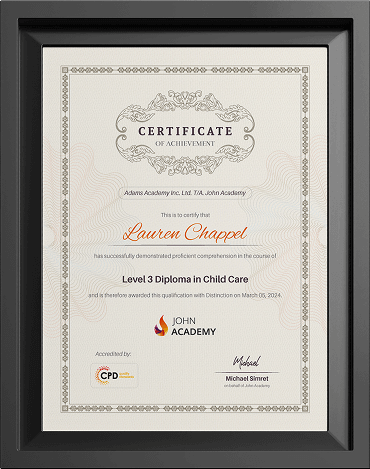
Certification

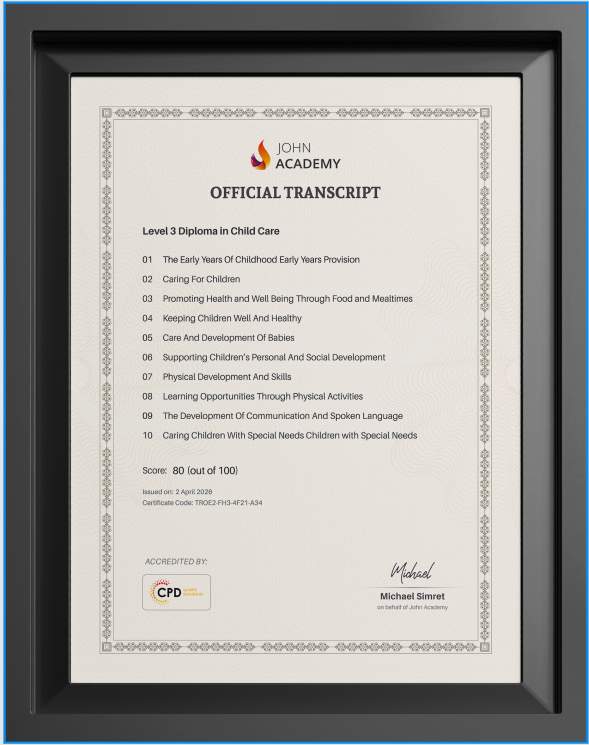
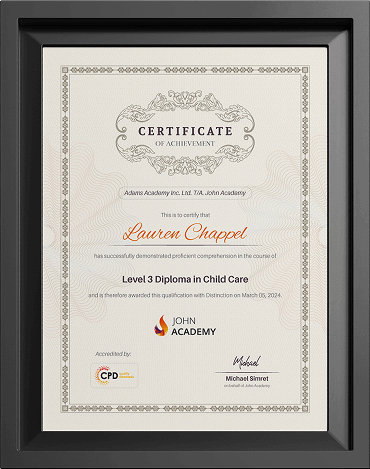
Upon successful completion of the course, learners will receive a certificate and transcript recognising their knowledge of Brainspotting Therapy and trauma-informed practice.

This certification demonstrates your understanding of modern therapeutic approaches and can support career development in mental health, counselling, and support services.

You will receive:

  • A digital certificate for immediate access
  • A printed certificate for professional use

This qualification enhances your professional profile and supports your progression in mental health-related careers.

Career Path​

Completing this course opens up various career opportunities in mental health, counselling, and therapeutic support services. As awareness of trauma-informed care increases, professionals with knowledge of Brainspotting Therapy are becoming more valuable across sectors.

Potential career roles include the following:

Mental Health Support Worker – £22,000 to £30,000 annually

Provide emotional and psychological support to individuals in care settings

Counsellor (Entry Level) – £25,000 to £40,000 annually

Support clients dealing with emotional and psychological challenges

Trauma Support Practitioner – £28,000 to £45,000 annually

Work with individuals experiencing trauma-related conditions

Wellbeing Coach – £24,000 to £50,000 annually

Help clients improve emotional resilience and mental well-being

Clinical Support Assistant – £26,000 to £42,000 annually

Assist healthcare professionals in therapeutic environments

Course Curriculum

  • video Module 01: Introduction to Brainspotting
    00:10:00

Frequently Asked Questions

1. What is brainspotting therapy used for?

Brainspotting therapy is used to help individuals process trauma, emotional distress, and psychological blocks. It works by identifying eye positions that connect to deep brain processing, supporting healing, emotional release, and nervous system regulation.

2. How does the brainspotting process work?

The brainspotting process involves identifying specific eye positions linked to emotional activation. The therapist guides the client to focus on these “brainspots” while processing trauma, allowing the brain to naturally heal and release stored emotional pain.

3. What techniques are used in brainspotting therapy?

Brainspotting techniques include focused eye positioning, mindful attunement, dual awareness, and body-based tracking. These methods help access subcortical brain regions, allowing deep emotional processing and resolution of trauma stored in the nervous system.

4. How is brainspotting used for trauma healing?

Brainspotting helps trauma healing by accessing and processing unresolved emotional memories stored in the brain and body. It reduces emotional distress, improves regulation, and supports long-term psychological healing in a safe, client-centered way.

5. Can brainspotting be combined with other therapies?

Yes. Brainspotting can be integrated with CBT, EMDR, mindfulness, and somatic therapies. Combining approaches enhances emotional processing, improves treatment outcomes, and provides a more comprehensive healing experience for clients with complex trauma.