School Attendance Improvement: Practical Solutions for Educators

(383 Reviews)
★ ★ ★ ★ ★
★ ★ ★ ★ ★

stds1118 Students

School Attendance Improvement

GET ACCESS TO THIS COURSE ALONG WITH 3000+ ONLINE COURSES FOR A YEAR FOR JUST £49. GET NOW

🔥11 items sold in last 8 hours

School Attendance Improvement: Practical Solutions for Educators

Join thousands of learners building a successful career

14-Day Money-Back Guarantee

School Attendance Improvement are essential for creating successful learning environments and ensuring that every student has equal access to education. Poor attendance is one of the most significant challenges faced by schools globally, directly impacting academic performance, student engagement, and long-term educational outcomes. The School Attendance Improvement: Practical Solutions for Educators course is designed to equip educators, school leaders, and support staff with practical tools and evidence-based strategies to improve student attendance effectively.

In modern education systems, improving attendance is not only about tracking absences but also about understanding the underlying causes and implementing proactive solutions. This course provides a structured approach to identifying barriers, engaging families, and creating a positive school environment that encourages consistent student participation.

Course Overview

The School Attendance Improvement course provides a comprehensive understanding of the key factors that influence student attendance and engagement. It focuses on practical, real-world solutions that educators can implement to reduce absenteeism and improve overall school performance.

This course explores how schools can develop effective attendance policies, build strong relationships with families, and create supportive learning environments. It highlights the importance of early intervention, data-driven decision-making, and collaborative approaches between teachers, parents, and community stakeholders.

A major focus of this course is School Attendance Improvement through proactive strategies such as student engagement initiatives, behavioural support systems, and targeted interventions for at-risk learners. Educators will learn how to identify early warning signs of poor attendance and take meaningful action before problems escalate.

The course also emphasises the importance of school culture in shaping student behaviour. A positive and inclusive environment significantly increases motivation, attendance rates, and overall academic achievement.

By combining theory with practical application, this course prepares educators to address attendance challenges confidently and effectively in real school settings.

Course Preview

Learning Outcomes

By completing this course on School Attendance Improvement, learners will be able to:

  • Understand the importance of school attendance in student academic success
  • Identify key factors contributing to poor attendance in schools
  • Analyse school systems and policies that impact attendance rates
  • Develop strategies to engage families and improve home-school collaboration
  • Create a positive school culture that encourages regular attendance
  • Implement techniques to improve student engagement and motivation
  • Design effective intervention strategies for at-risk students
  • Use data to monitor attendance trends and identify patterns
  • Apply behaviour support strategies to reduce absenteeism
  • Develop long-term School Attendance Improvement plans for educational settings

Why Enrol in This Course?

Improving attendance is a critical priority for schools worldwide, as it directly affects student achievement, funding, and institutional performance. Enrolling in this course provides educators with the skills needed to address attendance challenges effectively and sustainably.

Key benefits include the following:

  • Gain practical strategies for School Attendance Improvement
  • Learn how to identify early signs of attendance issues
  • Improve student engagement and classroom participation
  • Strengthen communication between schools and families
  • Develop effective intervention and support systems
  • Understand how school culture influences attendance behaviour
  • Use data-driven approaches to monitor and improve attendance
  • Flexible learning designed for busy education professionals

This course is ideal for educators seeking to make a measurable impact on student success and school performance.

Who is this course for?

This School Attendance Improvement course is suitable for a wide range of education professionals, including:

  • Teachers and classroom educators
  • School administrators and leadership teams
  • Pastoral care and student support staff
  • School counsellors and social workers
  • Education consultants and advisors
  • Attendance officers and welfare coordinators
  • Individuals working in educational policy and development

Whether you are directly involved in classroom teaching or school management, this course provides valuable insights into improving attendance outcomes.

Prerequisites

There are no formal entry requirements for this course. It is designed to be accessible to all education professionals.

However, the following may be helpful:

  • Basic understanding of school systems and education environments
  • Interest in student welfare and engagement
  • Experience working in or with educational institutions
  • Commitment to improving student outcomes

This makes the course suitable for both beginners and experienced educators.

Assessment Method

To successfully complete the course, learners will undertake an automated multiple-choice assessment designed to evaluate understanding of key concepts related to School Attendance Improvement.

The assessment focuses on attendance strategies, intervention planning, student engagement techniques, and school policy understanding.

Learners will also have access to supporting study materials that reinforce practical application in real educational environments.

Certification

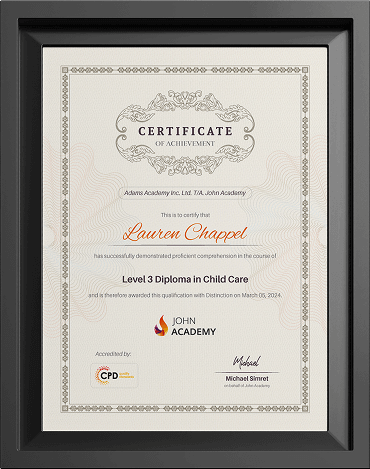
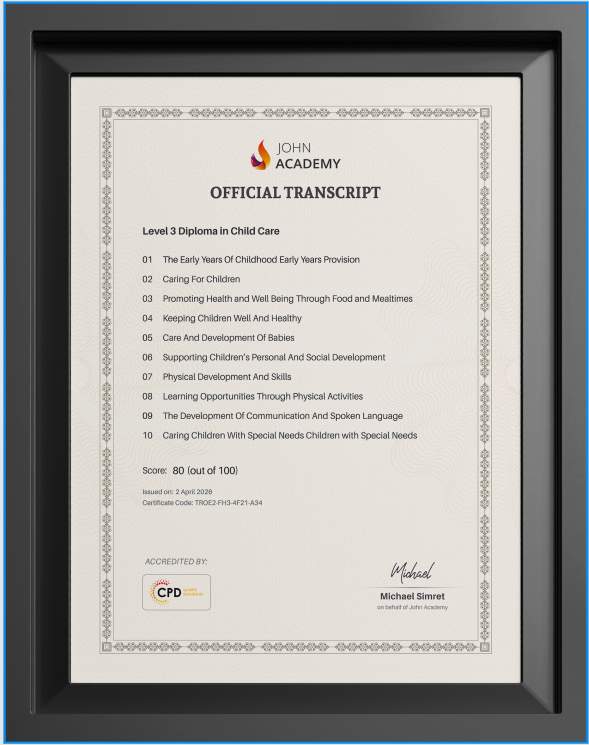
Upon successful completion of the course, learners will receive a recognised certificate and transcript confirming their knowledge and skills in school attendance strategies and student engagement.

This certification demonstrates your ability to contribute to effective School Attendance Improvement initiatives and enhances your professional credibility in the education sector.

You will receive:

  • A digital certificate for immediate access
  • A printed certificate for professional display

This qualification supports career development in teaching, school leadership, and educational support roles.

John-Certificate-MockupJohn-Certificate-Mockup

Career Path​

Completing this course opens up various career opportunities within education, student support, and school management. Professionals with expertise in School Attendance Improvement are in high demand across schools and educational organisations.

Potential career roles include the following:

  • Attendance Officer – £22,000 to £30,000 annually

 Monitor student attendance and implement improvement strategies

  • Pastoral Support Worker – £24,000 to £35,000 annually

 Support student wellbeing and engagement

  • School Administrator – £20,000 to £32,000 annually

 Manage attendance systems and school records

  • Education Welfare Officer – £28,000 to £45,000 annually

 Work with families to improve attendance and reduce absenteeism

  • School Leadership Roles – £40,000 to £70,000+ annually

 Develop and implement whole-school attendance improvement strategies

Course Curriculum

  • video Introduction to School Attendance
    00:10:00

Frequently Asked Questions

1. How can schools improve student attendance rates?

Schools can improve attendance by identifying barriers, engaging families, creating supportive learning environments, implementing clear attendance policies, and using targeted interventions. Positive reinforcement and consistent monitoring also help reduce absenteeism and improve student participation.

2. What are common factors affecting school attendance?

Attendance is affected by health issues, family challenges, bullying, transport difficulties, lack of engagement, and socioeconomic factors. Understanding these barriers helps schools design effective support systems and targeted interventions to improve attendance rates.

3. How do school policies influence attendance improvement?

School policies set expectations for attendance, define procedures for absences, and guide intervention strategies. Clear, consistent policies combined with supportive enforcement help improve accountability, reduce absenteeism, and promote a culture of regular attendance.

4. How can schools engage families to improve attendance?

Schools can engage families through regular communication, home visits, parent meetings, and community involvement programs. Strong family-school partnerships encourage accountability, support student motivation, and address barriers affecting consistent school attendance.

5. What interventions help reduce poor school attendance?

Effective interventions include mentoring programs, counselling, attendance tracking systems, early warning alerts, personalised support plans, and behaviour incentives. These strategies help identify at-risk students early and provide targeted support to improve attendance outcomes.