Respiratory Protection and Safety Training

(468 Reviews)
★ ★ ★ ★ ★
★ ★ ★ ★ ★

stds1345 Students

Respiratory Protection and Safety

GET ACCESS TO THIS COURSE ALONG WITH 3000+ ONLINE COURSES FOR A YEAR FOR JUST £49. GET NOW

🔥14 items sold in last 5 hours

Respiratory Protection and Safety Training

Join thousands of learners building a successful career

14-Day Money-Back Guarantee

Strong workplace safety practices are essential for protecting employees from airborne hazards, toxic substances, and respiratory risks across industrial, healthcare, construction, and laboratory environments. The Respiratory Protection and Safety Training course is designed to equip learners with the knowledge and practical skills required to identify respiratory hazards, select appropriate protective equipment, and ensure safe working conditions in compliance with safety regulations.

In today’s high-risk working environments, respiratory safety has become a critical component of occupational health. This course provides structured and practical training to help individuals understand how respiratory protection systems work and how to apply them effectively in real-life workplace situations.

Course Overview

The Respiratory Protection and Safety Training course provides a comprehensive introduction to workplace respiratory safety practices and protective equipment usage. It is designed to help learners understand how harmful airborne particles, gases, vapours, and dust can affect human health and how proper respiratory protection can prevent long-term occupational illnesses.

This course focuses on building awareness of workplace hazards and teaching learners how to select and use respiratory protection equipment correctly. It also highlights the importance of maintenance, inspection, and proper storage of respirators to ensure maximum effectiveness.

Learners will gain a deep understanding of respiratory protection systems used in various industries, including construction, healthcare, manufacturing, and chemical processing. The course also explains regulatory expectations and compliance standards required for maintaining workplace safety.

A key focus of this training is ensuring that learners understand how to apply respiratory protection procedures in real-world environments. This includes identifying risks, selecting suitable equipment, and following safe usage protocols.

By combining theoretical knowledge with practical safety applications, this course prepares learners to contribute effectively to workplace safety and reduce exposure to respiratory hazards.

Course Preview

Learning Outcomes

By completing the Respiratory Protection and Safety Training course, you will be able to:

  • Understand the fundamentals of respiratory protection and workplace safety principles
  • Identify different types of respiratory hazards in various work environments
  • Select the appropriate respirator based on the workplace risk assessment
  • Demonstrate correct use and fitting of respiratory protective equipment
  • Understand maintenance procedures for respirators to ensure safety compliance
  • Develop knowledge of respiratory protection program requirements
  • Understand legal and regulatory standards related to workplace respiratory safety
  • Apply safe practices in high-risk environments involving airborne contaminants
  • Recognise special situations requiring advanced respiratory protection measures
  • Implement best practices for maintaining long-term respiratory health in the workplace

Why Enrol in This Course?

The importance of Respiratory Protection and Safety Training has significantly increased due to rising workplace exposure to hazardous airborne substances. Employers across industries are now prioritising health and safety compliance to protect workers and meet regulatory standards.

Enrolling in this course provides several benefits:

  • Gain essential knowledge of respiratory protection systems and safety procedures
  • Learn how to select and use respirators effectively in different environments
  • Improve workplace safety awareness and hazard recognition skills
  • Understand compliance requirements for occupational health and safety regulations
  • Reduce the risk of respiratory illnesses caused by workplace exposure
  • Enhance professional credibility in safety-related roles
  • Flexible online learning suitable for beginners and professionals
  • No prior technical experience required

This course is ideal for anyone looking to improve workplace safety skills or pursue a career in health and safety management.

Who is this course for?

    The Respiratory Protection and Safety Training course is suitable for a wide range of learners, including:
  • Workplace safety officers and health & safety professionals
  • Construction workers are exposed to dust and airborne particles
  • Healthcare workers handling infectious environments
  • Industrial and manufacturing employees
  • Laboratory technicians working with chemical substances
  • Employers are responsible for workplace safety compliance
  • Individuals seeking careers in occupational health and safety
  • Anyone interested in learning about respiratory protection systems

Whether you are new to workplace safety or looking to upgrade your professional knowledge, this course provides valuable and practical insights.

Prerequisites

There are no formal entry requirements for this course. It is designed to be accessible to learners from all professional backgrounds.

However, the following may be helpful:

  • Basic understanding of workplace safety concepts
  • Interest in health, safety, or industrial environments
  • Willingness to learn safety procedures and compliance standards
  • Motivation to work in safety-related roles

This makes the course suitable for beginners as well as experienced professionals seeking to refresh their knowledge.

Assessment Method

To successfully complete the Respiratory Protection and Safety Training course, learners will take an automated multiple-choice assessment.

This assessment evaluates understanding of respiratory hazards, protective equipment usage, safety procedures, and regulatory compliance.

Learners will also have access to supportive study materials designed to reinforce key concepts and improve practical application in real workplace environments.

Certification

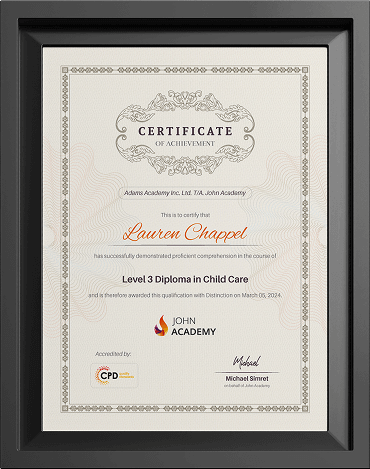
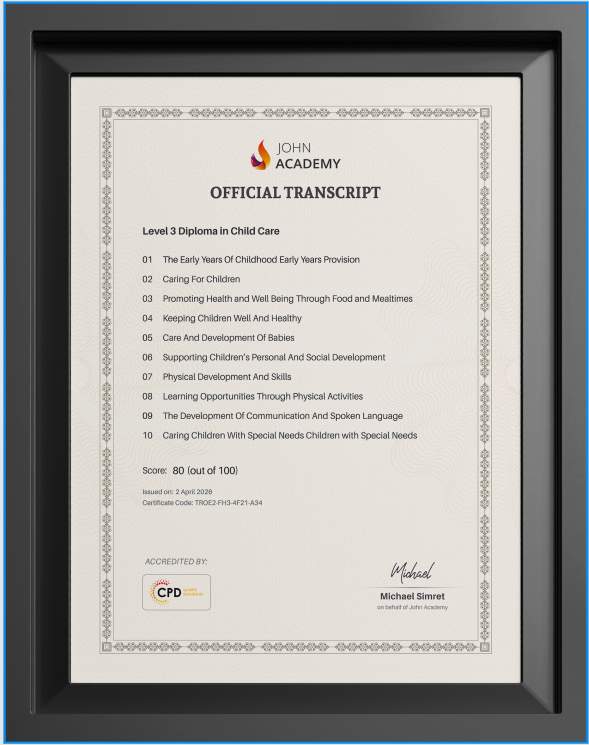
Upon successful completion of the course, learners will receive a recognised certificate and transcript confirming their knowledge of respiratory protection and workplace safety practices.

This certification demonstrates your ability to understand and apply respiratory safety procedures in professional environments.

You will receive:

  • A digital certificate for immediate access
  • A printed certificate for professional use

This qualification enhances your CV and supports career progression in health and safety-related roles.

Career Path​

Completing the Respiratory Protection and Safety Training course can open up multiple career opportunities in workplace safety, industrial operations, and occupational health sectors.

Potential career roles include the following:

Health and Safety Officer – £25,000 to £45,000 annually

Monitor workplace safety compliance and implement safety procedures

Safety Supervisor – £30,000 to £50,000 annually

Oversee safety operations and ensure regulatory compliance

Occupational Health Technician – £28,000 to £48,000 annually

Assess workplace health risks and implement protective measures

Industrial Safety Specialist – £35,000 to £60,000 annually

Manage safety systems in industrial and manufacturing environments

Environmental Health and Safety Consultant – £40,000 to £70,000+ annually

Provide expert advice on workplace safety and risk prevention

Course Curriculum

  • video Introduction to Respiratory Protection
    00:11:00

Frequently Asked Questions

1. What is respiratory protection training?

Respiratory protection training teaches workers how to identify airborne hazards, select appropriate respirators, and use them correctly. It ensures safety in hazardous environments by reducing exposure to dust, chemicals, fumes, and infectious particles in the workplace.

2. How do I choose the right respirator?

Choosing the right respirator depends on hazard type, exposure level, and fit. Options include N95 masks, half-face, or full-face respirators. Proper selection ensures effective protection against harmful airborne contaminants in specific work environments.

3. How should respirators be used properly?

Respirators must be correctly fitted, sealed, and worn according to manufacturer guidelines. Users should perform fit checks before use, avoid contamination, and ensure consistent usage during exposure to hazardous airborne substances for maximum protection.

4. Why is respirator maintenance important?

Proper maintenance ensures respirators remain effective and safe. This includes cleaning, inspecting for damage, replacing filters, and storing equipment correctly. Regular maintenance extends lifespan and ensures reliable protection against airborne hazards.

5. What is a respiratory protection program?

A respiratory protection program includes hazard assessment, respirator selection, employee training, fit testing, maintenance procedures, and compliance monitoring. It ensures workplace safety and meets legal and regulatory respiratory protection standards effectively.