International Development Studies

Effective international development is essential for addressing some of the world’s most pressing challenges, including poverty, inequality, social exclusion, environmental …

(467 Reviews)

stds1243 Students

logo

Get access to 3000+ courses including this for a year only at £49. GET NOW

International Development Studies

International Development Studies

Join thousands of learners building a successful career

14-Day Money-Back Guarantee

Effective international development is essential for addressing some of the world’s most pressing challenges, including poverty, inequality, social exclusion, environmental sustainability, and economic growth. As global societies become increasingly interconnected, there is a growing demand for professionals who understand the complexities of development and can contribute to positive change at local, national, and international levels. The International Development Studies course is designed to provide learners with the knowledge, analytical skills, and critical understanding required to engage with contemporary development issues.

Whether you are interested in global affairs, humanitarian work, public policy, international relations, or sustainable development, this course offers a structured and practical learning experience. It explores the key concepts, theories, and practices that shape development initiatives around the world while providing insight into the social, economic, political, and environmental factors that influence development outcomes.

Course Overview

The International Development Studies course offers a broad understanding of how people, governments, organisations, and communities work together to improve the quality of life around the world. It explores the key issues that affect global development, including poverty reduction, economic growth, social progress, environmental sustainability, and good governance. Through studying the history of development and different approaches used across countries and regions, learners gain valuable insights into the challenges and opportunities involved in creating positive and lasting change for individuals and societies.

Throughout the course, you will explore the role of international organisations, non-governmental organisations, governments, and local communities in development processes. You will also examine how globalisation, inequality, social justice, and ethical considerations influence development policies and practices.

The course encourages critical thinking about contemporary global issues and provides valuable insights into the interconnected nature of development challenges. By combining theoretical knowledge with practical perspectives, this International Development Studies course prepares learners to engage effectively with development-related careers, research, policy-making, and advocacy initiatives.

Course Preview

Learning Outcomes

By completing this International Development Studies course, you will be able to:

  • Understand the fundamental concepts and theories of international development.
  • Analyse the economic, social, political, and environmental dimensions of development.
  • Evaluate the role of governments, international organisations, and NGOs in development initiatives.
  • Understand the causes and consequences of global poverty and inequality.
  • Examine the relationship between governance, policy, and development outcomes.
  • Assess the importance of environmental sustainability in development planning.
  • Analyse the impact of globalisation on developing and developed nations.
  • Explore ethical considerations and social justice issues within development practice.
  • Apply critical thinking skills to contemporary international development challenges.
  • Demonstrate a comprehensive understanding of key issues within International Development Studies.

Why Enrol in This Course?

The demand for professionals with expertise in International Development Studies continues to grow as governments, international agencies, charities, and private organisations seek solutions to global challenges. This course provides valuable knowledge and transferable skills that can support career progression across a range of sectors.

Key benefits include:

  • Gain a strong foundation in International Development Studies principles and practices.
  • Understand major global challenges and development priorities.
  • Develop analytical and critical thinking skills relevant to development work.
  • Learn about sustainable development and global policy frameworks.
  • Explore real-world development issues affecting communities worldwide.
  • Enhance your understanding of international cooperation and governance.
  • Improve your employability across public, private, and non-profit sectors.
  • Flexible online learning is accessible anytime and anywhere.
  • Suitable for both beginners and professionals seeking to expand their knowledge.
  • Earn a recognised certification to support your professional development.

This course is ideal for anyone seeking to understand how development policies and programmes influence societies and contribute to global progress.

Who is this course for?

This International Development Studies course is suitable for a wide range of learners, including:

  • Students interested in global development and international affairs.
  • Individuals pursuing careers in humanitarian or development organisations.
  • Professionals working in public policy, governance, or social services.
  • NGO and charity sector employees seeking to enhance their knowledge.
  • Researchers and academics interested in development studies.
  • Graduates looking to strengthen their understanding of global development issues.
  • Individuals interested in sustainability, poverty reduction, and social justice.
  • Anyone wishing to gain a deeper understanding of international development challenges and solutions.

Whether you are beginning your journey in development studies or seeking to broaden your professional expertise, this course provides valuable knowledge and practical insights.

Prerequisites

There are no formal entry requirements for this course. It has been designed to be accessible to learners from all educational and professional backgrounds.

However, the following may be beneficial:

  • Basic understanding of the English language.
  • Interest in global issues, international relations, or public policy.
  • Motivation to learn about development challenges and solutions.
  • Curiosity about social, economic, political, and environmental issues.

This course is suitable for both beginners and experienced professionals seeking to develop their understanding of International Development Studies.

Assessment Method

To successfully complete the International Development Studies course, learners will undertake an automated multiple-choice assessment.

The assessment is designed to evaluate your understanding of key concepts, theories, and practical applications covered throughout the course. It provides an effective way to measure learning outcomes and reinforce essential knowledge.

Learners will also have access to supporting study materials designed to enhance understanding and encourage independent learning.

Certification

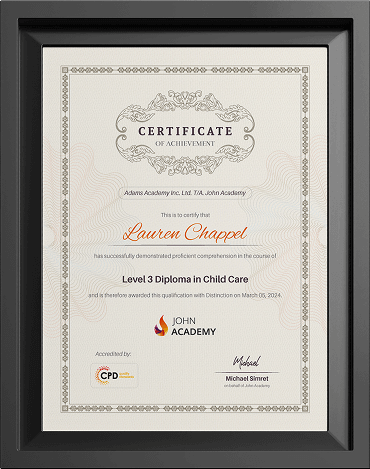
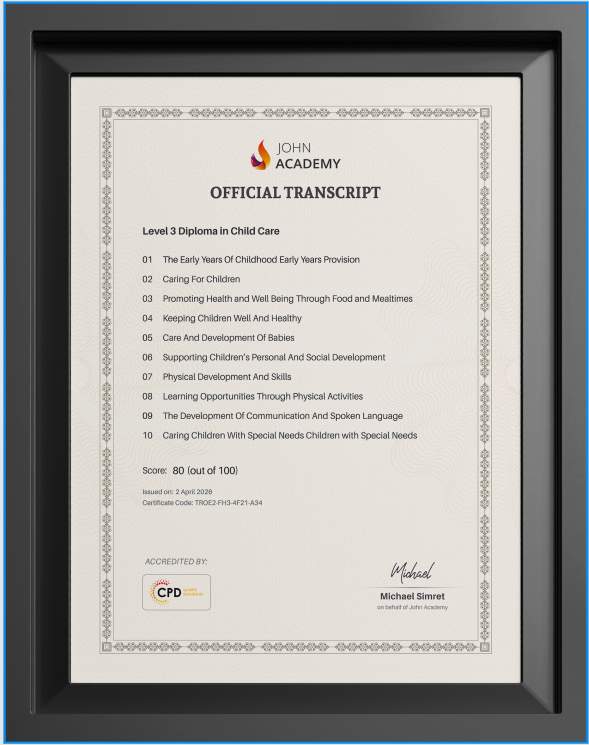
Upon successful completion of the course, you will receive a certificate and transcript recognising your achievement in International Development Studies.

This certification demonstrates your understanding of international development principles and can strengthen your CV when applying for roles within development organisations, public institutions, charities, research centres, and international agencies.

You will receive:

  • A digital certificate for immediate access.
  • A printed certificate for professional and academic use.

This qualification supports your continuing professional development and demonstrates your commitment to understanding global development issues.

John-Certificate-MockupJohn-Certificate-Mockup

Career Path​

Completing this International Development Studies course can open the door to a variety of rewarding career opportunities across the public, private, and non-profit sectors. As global development challenges continue to evolve, professionals with knowledge of international development are increasingly sought after.

Potential career roles include:

  • Development Officer – £25,000 to £45,000 annually

Support the planning, implementation, and evaluation of development projects and programmes.

  • Programme Coordinator – £28,000 to £50,000 annually

Manage development initiatives and coordinate activities across multiple stakeholders.

  • Policy Analyst – £30,000 to £55,000 annually

Research and evaluate policies related to international development and social change.

  • NGO Project Officer – £24,000 to £45,000 annually

Support humanitarian, community development, and sustainability projects.

  • International Development Consultant – £35,000 to £70,000 annually

Provide expert advice on development strategies, policy implementation, and programme effectiveness.

  • Sustainability Officer – £30,000 to £60,000 annually

Promote sustainable development initiatives within organisations and communities.

  • Research Assistant or Development Researcher – £25,000 to £45,000 annually

Conduct research on development trends, policies, and global challenges.

Course Curriculum

  • video Understanding Development Concepts
    00:20:00

Frequently Asked Questions

1. What is international development?

International development focuses on improving living standards, reducing poverty, and promoting sustainable economic and social progress worldwide. It examines how governments, organisations, and communities work together to address global development challenges and inequalities.

2. Why is development studies important?

Development studies help learners understand the economic, social, political, and environmental factors that influence global progress. It provides valuable insights into poverty reduction, human development, governance, and sustainable solutions for complex international issues.

3. What are the main approaches to development?

Development approaches include economic growth strategies, social development initiatives, governance reforms, and environmental sustainability practices. Understanding these perspectives helps explain how countries and organisations promote long-term development and improve quality of life.

4. How does globalisation affect international development?

Globalisation influences development by increasing trade, investment, technology transfer, and cultural exchange. While it creates opportunities for economic growth, it can also contribute to inequality, environmental challenges, and uneven distribution of development benefits.

5. Why is sustainability important in development?

Sustainability ensures that development meets present needs without compromising future generations. It balances economic growth, social wellbeing, and environmental protection, helping communities build resilient societies and achieve long-term development goals.