Cheese Making Course

The art of Cheese Making has been practised for centuries and remains one of the most rewarding and valuable skills …

(417 Reviews)
★ ★ ★ ★ ★
★ ★ ★ ★ ★

stds1214 Students

logo

Get access to 3000+ courses including this for a year only at £49. GET NOW

Cheese Making

Cheese Making Course

Join thousands of learners building a successful career

14-Day Money-Back Guarantee

The art of Cheese Making has been practised for centuries and remains one of the most rewarding and valuable skills in the food production industry. From fresh artisan cheeses to aged speciality varieties, cheese production combines science, creativity, and craftsmanship to create products enjoyed worldwide. The Cheese Making Course is designed to provide learners with the essential knowledge, techniques, and practical understanding required to produce high-quality cheeses with confidence.

Whether you are a food enthusiast, aspiring artisan producer, culinary professional, or entrepreneur looking to enter the dairy industry, this course offers a structured and practical learning experience. It focuses on the principles of cheese production, ingredient selection, processing methods, and quality control techniques that form the foundation of successful Cheese Making.

Course Overview

The Cheese Making Course offers an engaging overview of the art and science of producing cheese, helping learners understand how simple ingredients are transformed into a wide range of delicious products. Throughout the course, participants explore every stage of the cheese-making journey, from preparing milk and forming curds to fermentation, ageing, and flavour development. It also highlights how different cultures, ingredients, and production techniques influence the final texture, aroma, and taste of cheese. By examining both traditional artisan methods and modern commercial practices, learners gain valuable knowledge of industry standards, hygiene requirements, equipment use, and quality control processes that are essential for successful cheese production.

In addition, the course introduces advanced techniques that allow producers to create distinctive and speciality cheeses while maintaining consistency and food safety standards. By combining theoretical knowledge with practical application, this course prepares learners to confidently produce and evaluate a wide range of cheese varieties.

Whether your goal is personal enjoyment, professional development, or starting a small-scale cheese business, this course provides a strong foundation in the principles and practices of modern Cheese Making.

Course Preview

Learning Outcomes

By completing this Cheese Making Course, you will be able to:

  • Understand the history and evolution of Cheese Making it across different cultures.
  • Identify the essential ingredients and equipment used in cheese production.
  • Understand the science behind milk coagulation, fermentation, and ripening.
  • Produce a variety of fresh cheeses using professional techniques.
  • Apply methods for creating soft, semi-soft, and hard cheeses.
  • Understand the processes involved in speciality cheese production.
  • Implement hygiene, sanitation, and food safety practices during cheese making.
  • Apply advanced cheese-making techniques to improve product quality.
  • Evaluate cheese flavour, texture, aroma, and appearance using professional tasting methods.
  • Develop the confidence to produce high-quality cheese for personal or commercial purposes.

Why Enrol in This Course?

The demand for artisan and speciality cheeses continues to grow worldwide, creating exciting opportunities for individuals with expertise in Cheese Making. Whether you are interested in producing cheese as a hobby or building a business within the food industry, this course provides the knowledge and practical skills needed to succeed.

Key benefits include:

  • Gain a thorough understanding of professional Cheese Making techniques.
  • Learn how different cheese varieties are produced and matured.
  • Develop practical skills that can be applied in home or commercial settings.
  • Understand food safety, hygiene, and quality control requirements.
  • Improve your ability to assess and evaluate cheese professionally.
  • Explore opportunities within the artisan food and dairy industries.
  • Flexible online learning accessible from anywhere.
  • Suitable for beginners and experienced food enthusiasts alike.

This course is ideal for anyone seeking to develop specialist knowledge in cheese production and dairy craftsmanship.

Who is this course for?

This Cheese Making Course is suitable for a wide range of learners, including:

  • Food enthusiasts interested in learning the art of Cheese Making.
  • Home cooks looking to expand their culinary skills.
  • Aspiring artisan cheese producers.
  • Dairy industry professionals seeking additional expertise.
  • Entrepreneurs interested in launching a cheese-making business.
  • Chefs and culinary professionals want to deepen their knowledge of cheese production.
  • Individuals interested in food science and fermentation processes.
  • Anyone passionate about creating high-quality handcrafted foods.

Whether you are a complete beginner or already have experience in food production, this course provides valuable knowledge and practical insights.

Prerequisites

There are no formal entry requirements for this course. It is designed to be accessible to learners from all backgrounds.

However, the following may be beneficial:

  • Basic understanding of English.
  • Interest in food production, dairy products, or culinary arts.
  • Enthusiasm for learning practical food preparation techniques.
  • Motivation to develop specialist skills in Cheese Making.

This makes the course suitable for beginners as well as individuals looking to enhance their existing knowledge.

Assessment Method

To successfully complete the Cheese Making Course, learners will undertake an automated multiple-choice assessment.

The assessment is designed to evaluate your understanding of the key principles, techniques, and processes involved in Cheese Making. It ensures that learners have gained the knowledge required to apply cheese-making methods effectively and safely.

You will also have access to learning materials designed to reinforce your understanding and support successful completion of the course.

Certification

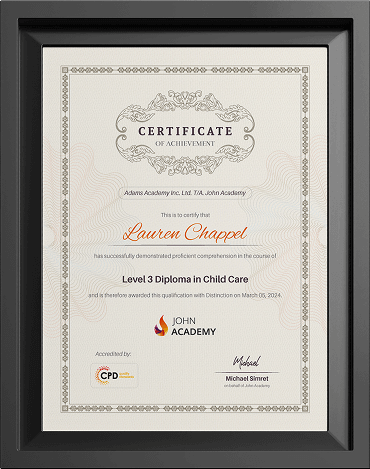
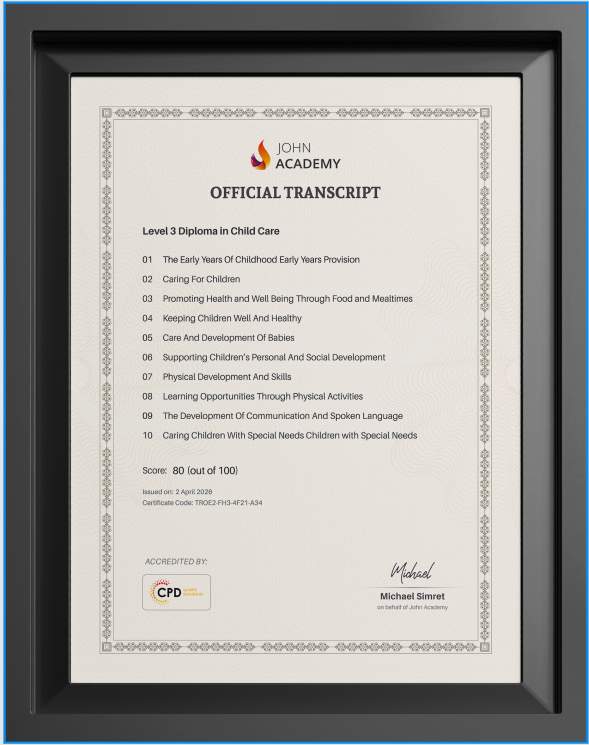
Upon successful completion of the course, you will receive a certificate and transcript recognising your knowledge and skills in Cheese Making.

This certification demonstrates your understanding of cheese production techniques, food safety practices, and quality assessment methods. It can help strengthen your professional profile within the food, hospitality, and dairy industries.

You will receive:

  • A digital certificate for immediate access.
  • A printed certificate for professional and personal use.

This qualification supports your ongoing professional development and demonstrates your commitment to excellence in food production.

John-Certificate-MockupJohn-Certificate-Mockup

Career Path​

Completing this Cheese Making Course can open doors to a variety of opportunities within the food production, dairy, and hospitality sectors.

Potential career roles include:

  • Artisan Cheese Maker – £22,000 to £45,000 annually

Produce handcrafted cheeses for local markets, speciality retailers, and food businesses.

  • Dairy Production Assistant – £20,000 to £35,000 annually

Support the production and quality control of dairy products in commercial facilities.

  • Food Production Technician – £24,000 to £40,000 annually

Monitor manufacturing processes and maintain food safety standards.

  • Cheese Specialist or Cheesemonger – £22,000 to £38,000 annually

Advise customers, manage cheese selections, and provide product expertise.

  • Food Entrepreneur – Variable Earnings

Establish and operate an independent cheese-making or artisan food business.

  • Culinary Professional – £25,000 to £50,000 annually

Apply specialist cheese knowledge within restaurants, hotels, and catering operations.

Course Curriculum

  • video Introduction to Cheese Making
    00:16:00

Frequently Asked Questions

1. How do beginners start making cheese at home?

Beginners can start cheese making by learning basic techniques, selecting quality milk, understanding cultures and rennet, and following simple recipes. Mastering fresh cheese first builds confidence before progressing to soft, semi-soft, and hard cheeses.

2. What ingredients are needed for cheese making?

Cheese making typically requires milk, starter cultures, rennet, and salt. Depending on the cheese type, additional ingredients may be used to influence texture, flavour, aging characteristics, and the overall quality of the finished product.

3. What is the difference between cheese types?

Fresh, soft, semi-soft, and hard cheeses differ in moisture content, aging time, texture, and flavour. Understanding these differences helps cheese makers choose suitable methods and produce a variety of high-quality cheeses successfully.

4. How are specialty cheeses made professionally?

Specialty cheeses are produced using advanced techniques, unique cultures, specific aging processes, and controlled environmental conditions. These methods create distinctive flavours, textures, and aromas that set specialty cheeses apart from standard varieties.

5. How do you taste cheese professionally?

Professional cheese tasting involves evaluating appearance, aroma, texture, flavour, and finish. Learning structured tasting techniques helps identify quality characteristics, understand cheese profiles, and appreciate the craftsmanship behind different cheese varieties.