Property Management Training
Property Management Training Overview Do you want to navigate the evolving UK property market and capitalise on emerging opportunities? Enrol …
 1236 Students


Save 93.15 % - Offer ENDS SOON

 Access All Courses for Only £49
 14-Day Money-Back Guarantee
-
1 Year Access
 -
IntermediateSkill Level -
1 hour, 40 minutesDuration
 Access
 Skill Level
 Duration
Property Management Training
Join thousands of learners building a successful career


Excellent
 Based on 471 reviews
 GB
GB
This course provided excellent coverage of property inspections, tenancy management, and legal obligations.
GB
I found the training practical and relevant. The case studies helped reinforce the key concepts.
GB
An excellent learning resource for aspiring property managers. The content was detailed and easy to understand.
Course Curriculum
-
Introduction to Property Management 00:07:00
 Introduction to Property Management
 -
Changes in the UK Property Market An Opportunity 00:08:00
-
Keeping Tenants Long Term 00:06:00
-
Listing Properties and Marketing 00:12:00
-
Regulations of Property Management 00:07:00
-
Selling Property Finding the Buyers 00:12:00
-
The Letting Process and Tenancy Agreement 00:15:00
-
The Property Management Process 00:16:00
-
The Role and Responsibilities of a Property Manager 00:07:00
-
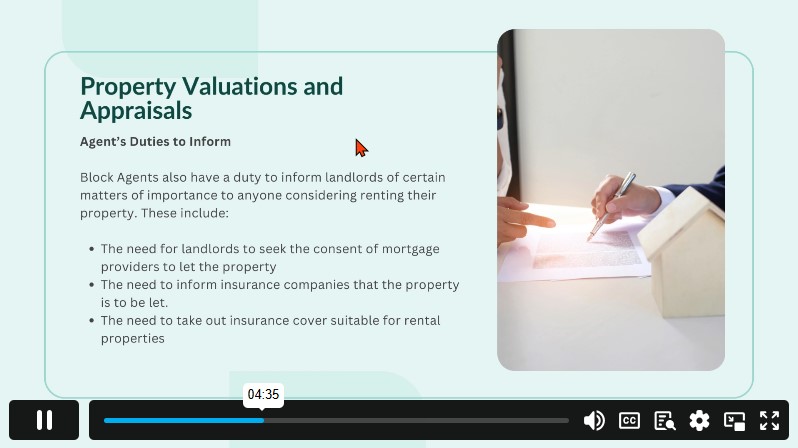
Valuation Process 00:10:00
-
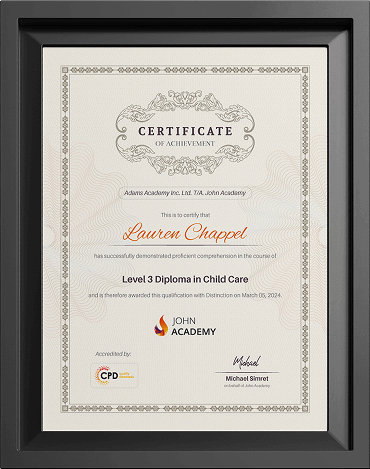
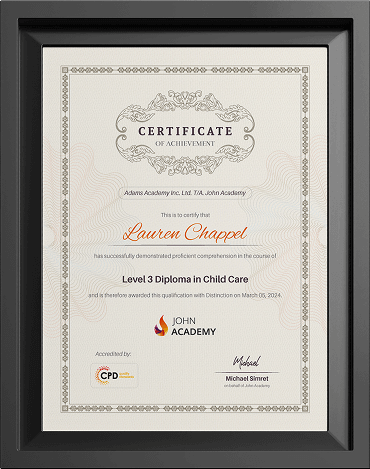
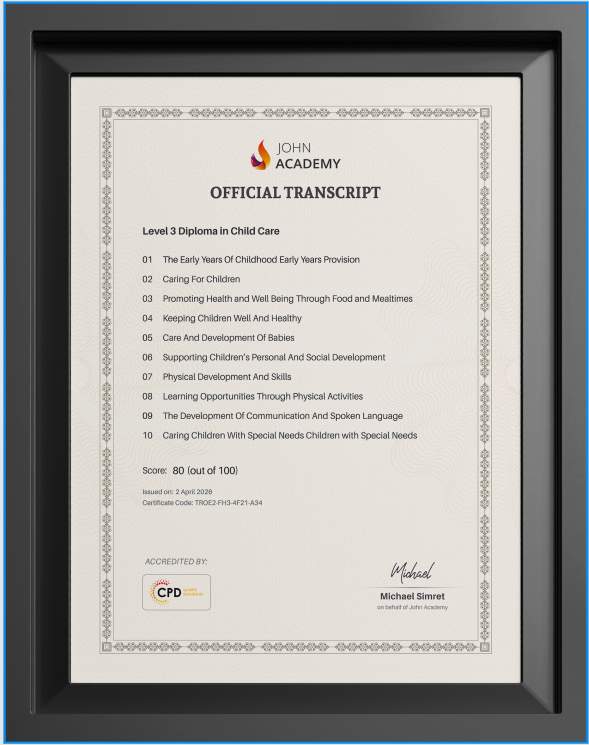
Order Your Certificates and Transcripts
Frequently Asked Questions
A property manager oversees rental properties, handles tenant relations, manages maintenance, collects rent, ensures legal compliance, and protects property value. Their role helps landlords maximise returns while maintaining smooth day-to-day property operations.
The letting process involves marketing properties, finding suitable tenants, conducting references, preparing tenancy agreements, arranging move-ins, and managing ongoing tenancy matters. A structured process helps ensure legal compliance and positive landlord-tenant relationships.
Landlords can retain tenants by maintaining properties, responding quickly to issues, offering fair rental terms, communicating effectively, and creating a positive living experience. Long-term tenants reduce vacancy periods and improve rental income stability.
Property valuation helps determine a property's market value for selling, renting, refinancing, or investment purposes. Accurate valuations support informed decisions, competitive pricing strategies, and better financial planning in the property market.
Property management regulations cover tenancy agreements, safety standards, landlord responsibilities, tenant rights, and property maintenance requirements. Understanding these rules helps property managers operate legally, reduce risks, and maintain professional industry standards.