Comparative Religion: Exploring Major World Religions & Beliefs

Understanding different belief systems is essential in today’s interconnected world. The Comparative Religion: Exploring Major World Religions & Beliefs course …

(411 Reviews)
★ ★ ★ ★ ★
★ ★ ★ ★ ★

stds1240 Students

logo

Get access to 3000+ courses including this for a year only at £49. GET NOW

Comparative Religion

Comparative Religion: Exploring Major World Religions & Beliefs

Join thousands of learners building a successful career

14-Day Money-Back Guarantee

Understanding different belief systems is essential in today’s interconnected world. The Comparative Religion: Exploring Major World Religions & Beliefs course is designed to provide a comprehensive and balanced understanding of global faith traditions, spiritual practices, and philosophical perspectives. As societies become more diverse, knowledge of Comparative Religion plays a crucial role in promoting cultural awareness, mutual respect, and effective communication across communities.

This course offers a structured and insightful learning experience for anyone interested in exploring the beliefs, practices, and historical development of major world religions. It examines how religions shape societies, influence cultures, and contribute to ethical frameworks and worldviews.

Course Overview

The Comparative Religion course offers an engaging exploration of the world’s diverse religious traditions, helping learners understand both the common themes and unique characteristics of different belief systems. It examines the origins, teachings, practices, and societal influence of major religions, while also exploring indigenous beliefs and contemporary spiritual movements. Through an analytical and comparative approach, learners are encouraged to think critically about topics such as morality, spirituality, rituals, and sacred texts, gaining a deeper appreciation of religious diversity and its role in shaping cultures and societies. The course also considers modern issues such as interfaith relations, globalisation, and the evolving challenges faced by religious communities, providing valuable insight into the continuing impact of religion in today’s world. 

By combining theoretical knowledge with practical understanding, it equips learners to engage thoughtfully and confidently with religious topics in academic, professional, and everyday settings.

Course Preview

Learning Outcomes

By completing this Comparative Religion course, you will be able to:

  • Understand the core principles and concepts of Comparative Religion
  • Identify key beliefs, practices, and traditions of major world religions
  • Analyse similarities and differences between various religious systems
  • Understand the cultural and historical contexts of different religions
  • Evaluate the role of religion in shaping societies and global cultures
  • Interpret religious symbols, rituals, and sacred texts
  • Develop critical thinking skills in analysing religious ideas and practices
  • Understand contemporary issues related to religion and globalisation
  • Promote interfaith awareness, tolerance, and cultural sensitivity
  • Apply knowledge of Comparative Religion in academic, professional, and social settings

Why Enrol in This Course?

The importance of studying Comparative Religion has grown significantly in today’s globalised world. As people from different cultural and religious backgrounds interact more frequently, understanding diverse belief systems is essential for building respectful and inclusive societies.

This course offers a valuable opportunity to explore global religions in a structured and accessible way. It helps learners move beyond stereotypes and develop a deeper understanding of how religions influence identity, values, and social structures.

Key benefits include the following:

  • Gain a comprehensive understanding of major world religions
  • Develop cultural awareness and a global perspective
  • Improve critical thinking and analytical skills
  • Enhance communication in multicultural environments
  • Learn to approach religious topics with respect and sensitivity
  • Understand the role of religion in contemporary global issues
  • Flexible online learning accessible anytime, anywhere

Whether you are pursuing academic interests or personal growth, this course provides meaningful insights into one of the most influential aspects of human civilisation.

Who is this course for?

This Comparative Religion course is suitable for a wide range of learners, including:

  • Students interested in religion, history, or cultural studies
  • Professionals working in education, social work, or community services
  • Individuals seeking to understand global belief systems
  • Researchers and academics exploring religious studies
  • Travellers or global professionals interacting with diverse cultures
  • Anyone interested in spirituality, philosophy, or human beliefs

No prior knowledge of religious studies is required, making this course accessible to beginners as well as those with an existing interest in the subject.

Prerequisites

There are no formal entry requirements for this course. It is designed to be inclusive and accessible to learners from all educational and professional backgrounds.

However, the following may be helpful:

  • Basic understanding of English
  • Interest in religion, culture, or global studies
  • Curiosity about different belief systems
  • Willingness to engage in critical thinking and discussion

This course is suitable for beginners and individuals looking to expand their knowledge of Comparative Religion.

Assessment Method

To successfully complete the course, learners will undertake an automated multiple-choice assessment. This assessment is designed to evaluate understanding of key concepts, theories, and themes within Comparative Religion.

The assessment ensures that learners can apply their knowledge effectively and demonstrate a clear understanding of religious diversity and comparative analysis.

Additional learning materials and resources are provided to support knowledge retention and a deeper understanding of the subject.

Certification

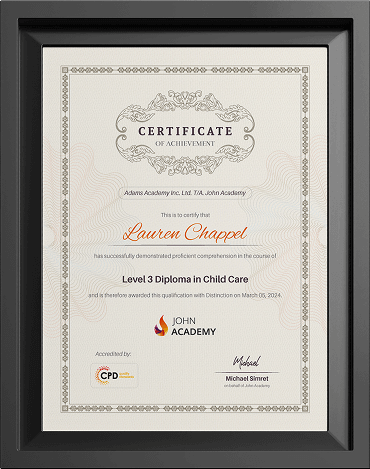
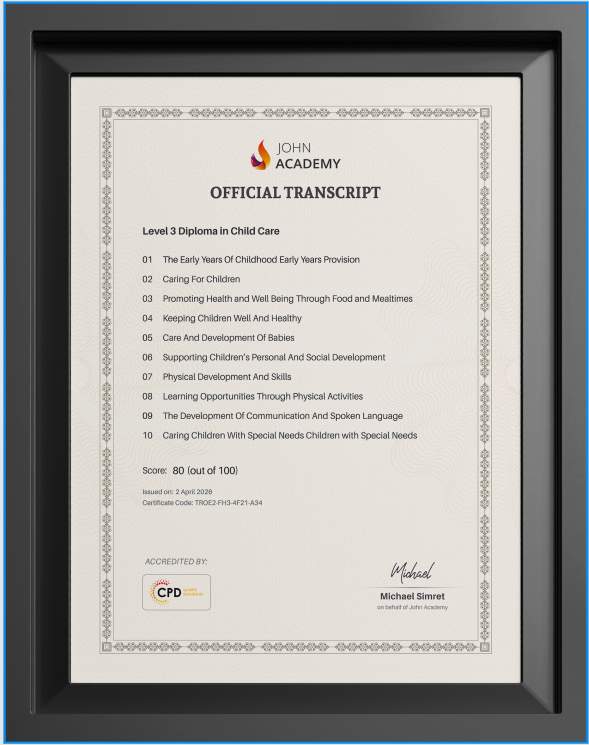
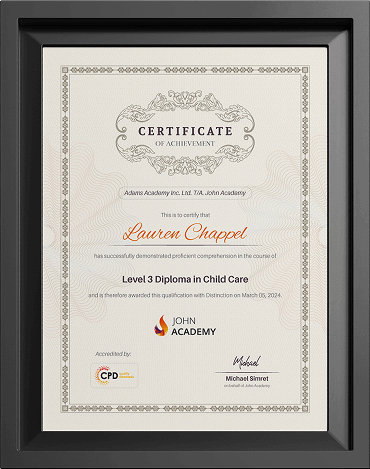
Upon successful completion of the Comparative Religion course, learners will receive a recognised certificate and transcript.

This certification demonstrates your understanding of major world religions and your ability to analyse and compare different belief systems. It can be used to enhance your academic profile or professional CV.

You will receive:

  • A digital certificate for instant access
  • A printed certificate for professional use

This qualification supports personal development and strengthens your credibility in fields related to education, culture, and social engagement.

John-Certificate-MockupJohn-Certificate-Mockup

Career Path​

Completing this Comparative Religion course can open doors to a variety of academic and professional opportunities. Knowledge of religious diversity is highly valued in many sectors, especially those involving communication, education, and global interaction.

Potential career roles include the following:

Religious Studies Researcher – £25,000 to £45,000 annually

Conduct research on religious traditions and cultural practices

Teacher or Educator – £28,000 to £50,000 annually

Teach subjects related to religion, history, or social studies

Community Development Worker – £22,000 to £40,000 annually

Work with diverse communities and promote social inclusion

Cultural Advisor – £30,000 to £55,000 annually

Provide insights on cultural and religious practices

International Relations Specialist – £35,000 to £70,000 annually

Work in global organisations dealing with multicultural issues

Excellent

4.7/5
★★★★★
verified Based on 411 reviews

Course Curriculum

  • video Module 1: Introduction to Comparative Religion
    00:17:00

Frequently Asked Questions

1. What is comparative religion?

Comparative religion studies different world religions by examining their beliefs, practices, origins, and philosophies. It helps learners understand similarities and differences across faiths, promoting cultural awareness, critical thinking, and a broader perspective on global religious traditions.

2. Why study major world religions?

Studying world religions helps you understand diverse cultures, values, and belief systems. It promotes tolerance, improves global awareness, and provides insights into history, ethics, and social influences shaped by religious traditions across different societies.

3. What are the main types of religions?

Religions are often categorized into indigenous, Eastern, Abrahamic, and new religious movements. Each group has unique beliefs, practices, and philosophies, helping learners explore how different traditions shape human understanding of life, spirituality, and existence.

4. How do religions influence society and culture?

Religions influence laws, traditions, ethics, and daily life. They shape cultural identity, social norms, and moral values, impacting everything from family structures to global interactions and historical developments across different civilizations.

5. What are common themes across different religions?

Common themes include beliefs about life, morality, the afterlife, and the purpose of existence. Many religions emphasize compassion, justice, and spiritual growth, highlighting shared human values despite differences in rituals and doctrines.