Food Hygiene Level 3
Want to develop essential food safety and hygiene skills to build a successful career in the food and hospitality industry? …
 1208 Students

Save 92.86 % - Offer ENDS SOON

 Access All Courses for Only £49
 14-Day Money-Back Guarantee
-
1 Year Access
 -
Level 3Skill Level -
1 hour, 46 minutesDuration
 Access
 Skill Level
 Duration
Food Hygiene Level 3
Join thousands of learners building a successful career
Following 2 Courses are Included With This Course (For Free) - Limited Time!


HACCP Training Level 2

Allergen Awareness Training


Course Curriculum
-
Introduction to Food Safety 00:08:00
 Introduction to Food Safety
 -
Contamination 00:15:00
-
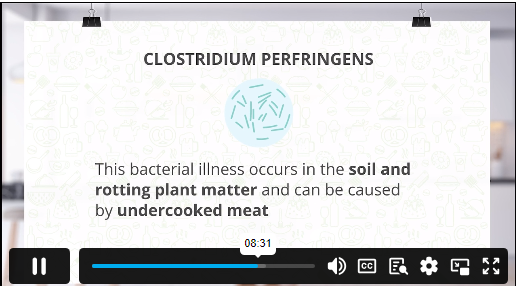
Food Poisoning and other illnesses 00:11:00
-
Food Safety Management Systems (FSMS) and HACCP 00:08:00
-
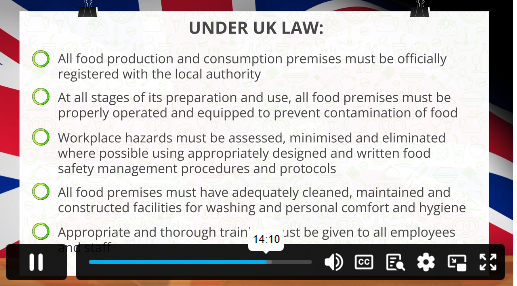
Laws and Legislation 00:18:00
-
Personal Hygiene 00:11:00
-
Pest Management 00:09:00
-
Roles and Responsibilities of Food Supervisors and food handlers 00:07:00
-
Training and Supervising Staff Effectively 00:06:00
-
Waste Disposal, Cleaning and Disinfection 00:13:00
-
Order Your Certificates and Transcripts
-
Share your Feedback
Frequently Asked Questions
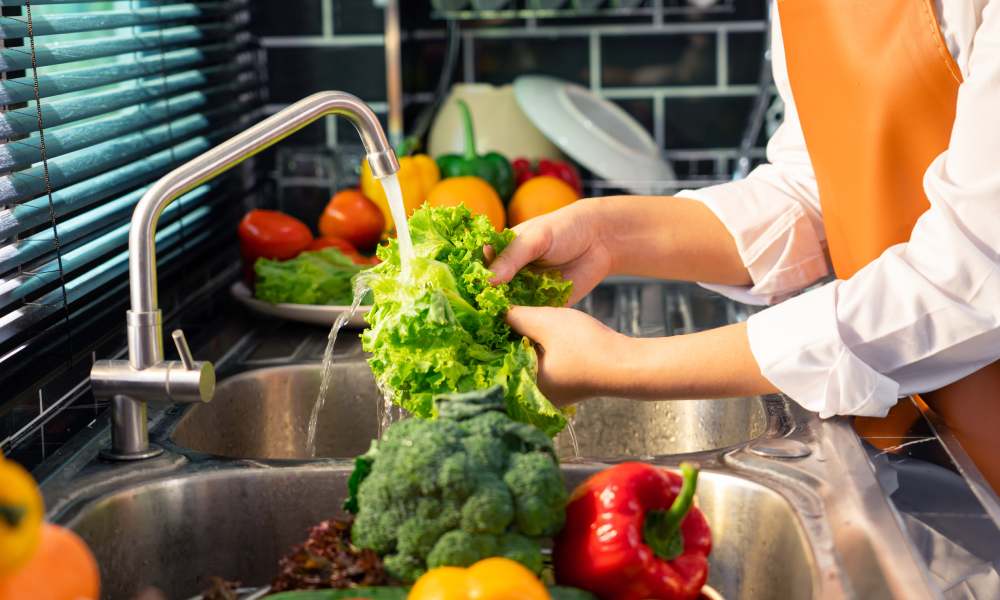
Food hygiene is the set of practical, everyday actions and conditions required to maintain a clean and safe environment during food handling, preparation, and storage to prevent contamination and foodborne illnesses. It involves ensuring food is safe to eat, protecting consumers, and upholding legal standards for food production and service.
The 5 keys to safer food are (1) keep clean; (2) separate raw and cooked food; (3) cook thoroughly; (4) keep food at safe temperatures; and (5) use safe water and raw materials (Figure 1). The reasons why one needs to perform key actions are given.
Basic food hygiene refers to essential practices that ensure food is safe to eat, preventing contamination and food poisoning. It hinges on the "4Cs": Cleaning (hands/surfaces), Cooking (proper temperatures), Chilling (refrigeration), and avoiding Cross-contamination. These practices include personal hygiene, proper storage, and handling to stop harmful bacteria.
Unsafe Food Storage Raw foods, such as meat, should never be stored above ready-to-eat foods like fresh fruit, salads, or desserts. The raw food may splash or drip onto the ready-to-eat food and result in cross-contamination.