Duty of Candour: Essential Training for Healthcare Professionals

Open and honest communication is an essential part of safe, compassionate, and high-quality healthcare. Duty of Candour is a fundamental …

(527 Reviews)

stds1486 Students

logo

Get access to 3000+ courses including this for a year only at £49. GET NOW

Duty of Candour: Essential Training for Healthcare Professionals

Duty of Candour: Essential Training for Healthcare Professionals

Join thousands of learners building a successful career

14-Day Money-Back Guarantee

Open and honest communication is an essential part of safe, compassionate, and high-quality healthcare. Duty of Candour is a fundamental professional and legal responsibility that requires healthcare organisations and professionals to communicate honestly with patients or their representatives when something goes wrong and has caused or could cause significant harm. Understanding this responsibility is vital for developing trust, improving patient experiences, and supporting a strong culture of safety.

The Duty of Candour: Essential Training for Healthcare Professionals course is designed to provide learners with a clear understanding of the principles, processes, communication approaches, and responsibilities associated with the Duty of Candour. It explores how healthcare professionals can respond appropriately to adverse events, communicate with patients and families, and contribute to organisational learning.

Whether you work directly with patients, support clinical teams, manage healthcare services, or are preparing for a career in the health and social care sector, this course provides valuable knowledge for handling incidents with professionalism, empathy, and accountability.

Course Overview

The Duty of Candour course offers a clear and practical introduction to the importance of honesty, openness and transparency in healthcare, particularly when a patient has experienced harm or when something has gone wrong during their care. It explains the Duty of Candour process and the legal and professional responsibilities that healthcare workers and organisations must consider after an adverse incident. Learners will explore how to communicate with patients and their families in a timely and respectful way, including providing clear explanations, offering a genuine apology, and keeping accurate records. The course also looks at the role of effective communication when discussing difficult or sensitive situations, helping professionals approach these conversations with empathy, dignity, and professionalism. Other important areas covered include incident reporting, accountability, compensation, and organisational responsibility. Rather than focusing only on individual errors, the training encourages learners to understand how healthcare organisations can examine incidents, identify contributing factors, and use what they have learned to improve patient safety. It also highlights the value of creating a positive workplace culture where staff feel supported in raising concerns, reporting incidents, and being open about mistakes. 

Overall, completing the course will help learners understand how Duty of Candour supports patient-centred care, professional responsibility, honest communication, and ongoing improvements in the quality and safety of healthcare services.

Course Preview

Learning Outcomes

By completing this Duty of Candour training course, you will be able to:

  • Understand the fundamental principles and importance of Duty of Candour in healthcare
  • Explain the key stages involved in the Duty of Candour process
  • Develop knowledge of the legal and professional framework surrounding openness and transparency
  • Apply effective communication techniques when discussing adverse events with patients and families
  • Understand how healthcare professionals should respond to incidents involving patient harm
  • Recognise the role of apologies, compensation, documentation, and appropriate follow-up
  • Identify how healthcare organisations can learn from incidents and improve patient safety
  • Understand the importance of accountability, governance, and professional oversight
  • Recognise how an open reporting culture can contribute to positive organisational change
  • Apply Duty of Candour principles appropriately within relevant healthcare environments

Why Enrol in This Course?

Healthcare professionals have an important responsibility to communicate openly and honestly when things go wrong. Understanding Duty of Candour can help professionals respond to incidents more confidently while maintaining compassion, professionalism, and respect for patients and their families.

Key benefits include the following:

  • Gain a clear understanding of Duty of Candour principles and responsibilities
  • Develop confidence when communicating following adverse healthcare events
  • Improve knowledge of relevant legal and professional expectations
  • Understand the importance of transparency, accountability, and patient trust
  • Learn how organisations can use incidents to improve future care
  • Develop communication skills for sensitive and challenging conversations
  • Support a positive culture of openness and patient safety
  • Flexible online learning accessible from anywhere
  • Suitable for healthcare professionals and learners seeking relevant knowledge

This course is particularly valuable for individuals who want to strengthen their understanding of professional responsibilities and contribute to safer, more transparent healthcare environments.

Who is this course for?

The Duty of Candour: Essential Training for Healthcare Professionals course is suitable for a wide range of learners, including:

  • Healthcare professionals working in clinical environments
  • Nurses and healthcare support workers
  • Healthcare managers and administrators
  • Professionals involved in patient safety and quality improvement
  • Individuals working in health and social care settings
  • Students preparing for healthcare-related careers
  • Professionals seeking to refresh their knowledge of healthcare responsibilities
  • Anyone interested in transparency and accountability within healthcare

Whether you are already working in healthcare or preparing to enter the sector, this course provides useful knowledge that can support your professional development.

Prerequisites

There are no formal entry requirements for this course. It is designed to be accessible to learners from a range of professional and educational backgrounds.

However, the following may be helpful:

  • Basic understanding of English
  • An interest in healthcare, patient safety, or professional practice
  • Familiarity with general healthcare environments
  • Motivation to develop professional knowledge and communication skills

Previous experience of working in healthcare is not essential, making the course suitable for beginners as well as experienced professionals.

Certification

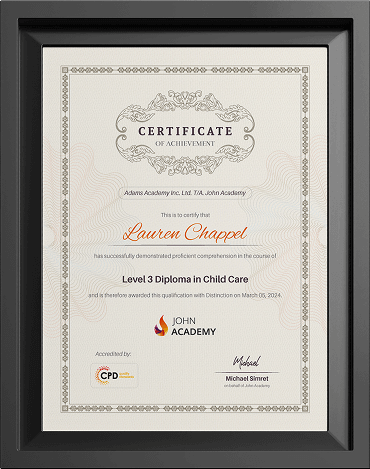
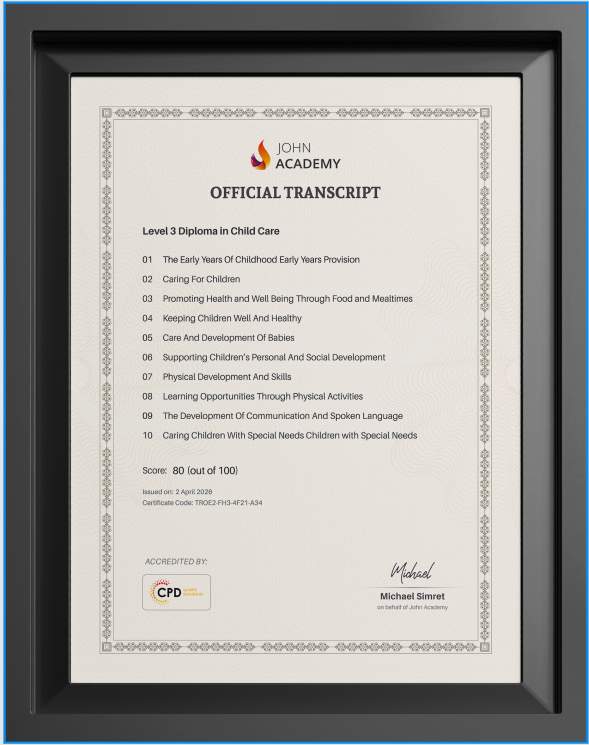
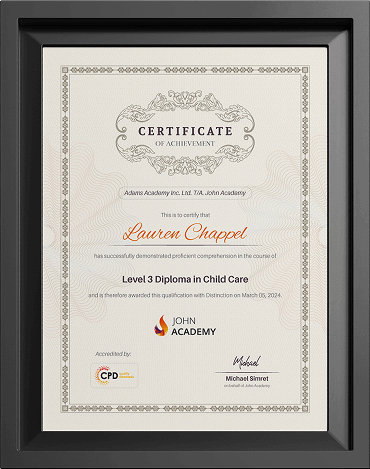
After successfully completing this course, you will receive an Accredited Certificate of Achievement endorsed by CPD, UKRLP, AoHT, and Incensu. Certificates and transcripts are available in:

  • PDF format for £11.99
  • Hard copy for £14.99

John-Certificate-MockupJohn-Certificate-Mockup

Career Path​

Completing this course can support professional development across a range of healthcare and health and social care environments. While Duty of Candour training does not itself qualify you for a regulated healthcare profession, the knowledge gained can complement existing qualifications and workplace experience.

Potential career roles include:

  • Healthcare Support Worker – £22,000 to £30,000 annually

Support patients with daily care needs while maintaining professional standards and patient safety.

  • Registered Nurse – £31,000 to £50,000+ annually

Provide patient care and contribute to safe, transparent, and accountable clinical practice.

  • Healthcare Administrator – £24,000 to £35,000 annually

Support healthcare operations, documentation, communication, and administrative processes.

  • Clinical Governance Officer – £35,000 to £55,000 annually

Support quality improvement, risk management, governance, and patient safety initiatives.

  • Healthcare Manager – £35,000 to £65,000+ annually

Manage healthcare services while supporting professional standards, accountability, and continuous improvement.

Duty of Candour: Essential Training for Healthcare Professionals

Very good
Based on
527 Reviews
Sarah Mitchellt GB

I found this course extremely informative and relevant to my role in healthcare. It clearly explained the importance of transparency and honesty with patients. The content was well-structured and easy to follow. Highly recommended for all healthcare professionals.

Course Curriculum

  • video Introduction to Duty of Candour
    00:05:00

Frequently Asked Questions

1. What is the duty of candour in healthcare?

The duty of candour requires healthcare professionals and organisations to be open and honest when something goes wrong. It involves communicating with affected patients, explaining what happened, offering an apology, and taking appropriate action.

2. Why is duty of candour important for healthcare professionals?

Duty of candour promotes honesty, transparency, patient trust, and accountability. It helps healthcare professionals communicate openly after adverse events, support affected patients, identify improvements, and contribute to safer, higher-quality healthcare services.

3. What happens during the duty of candour process?

The process involves identifying an incident, assessing the circumstances, communicating with the affected person, explaining what happened, providing an apology, documenting discussions, and taking steps to learn from the incident and prevent recurrence.

4. How should healthcare professionals communicate after adverse events?

Professionals should communicate promptly, honestly, respectfully, and compassionately. They should explain known facts clearly, listen to concerns, avoid speculation, provide appropriate support, apologise when required, and maintain accurate records throughout the process.

5. How does duty of candour improve healthcare safety?

Duty of candour encourages organisations to learn from incidents rather than conceal them. Reviewing adverse events, identifying contributing factors, improving procedures, and promoting accountability can reduce repeated mistakes and strengthen patient safety.