Fundamentals of Political Science: Understanding Government & Power

Understanding how governments operate and how power is distributed in society is essential in today’s complex world. Political Science plays …

(627 Reviews)
★ ★ ★ ★ ★
★ ★ ★ ★ ★

stds1515 Students

logo

Get access to 3000+ courses including this for a year only at £49. GET NOW

Fundamentals of Political Science: Understanding Government & Power

Fundamentals of Political Science: Understanding Government & Power

Join thousands of learners building a successful career

14-Day Money-Back Guarantee

Understanding how governments operate and how power is distributed in society is essential in today’s complex world. Political Science plays a critical role in shaping public policies, governance systems, and international relations. The Fundamentals of Political Science: Understanding Government & Power course is designed to provide learners with a strong foundation in political concepts, systems, and institutions that influence decision-making at local, national, and global levels.

Whether you are a student, aspiring policymaker, or simply interested in how political systems function, this course offers a structured and engaging learning experience. It focuses on developing analytical thinking, understanding governance frameworks, and exploring how political power impacts societies and economies worldwide.

Course Overview

The Fundamentals of Political Science course offers an engaging look at the ideas and systems that shape governments and societies around the world. It helps learners understand how political institutions function, how leaders make decisions, and how public policies influence people’s lives. The course explores key topics such as political ideologies, different forms of governance, international relations, political economy, and public policy. Students will learn how countries interact on the global stage, how political and economic systems are connected, and how governments develop policies to address social challenges. 

By linking theoretical concepts with real-world political issues, the course encourages critical thinking and provides learners with the knowledge needed to better understand political events, governance processes, and the role of power and authority in society.

Course Preview

Learning Outcomes

By completing this Fundamentals of Political Science course, you will be able to:

  • Understand the core principles and scope of Political Science
  • Analyse different political theories and ideologies
  • Identify various political systems and their structures
  • Explain how governments function and exercise power
  • Understand the basics of international relations and global politics
  • Analyse the relationship between politics and economic systems
  • Evaluate how public policies are developed and implemented
  • Interpret current political events using theoretical frameworks
  • Develop critical thinking and analytical skills in political contexts
  • Apply political knowledge to real-world governance and policy issues

Why Enrol in This Course?

The importance of Political Science continues to grow as global challenges become more complex and interconnected. Understanding political systems, governance structures, and policy-making processes is essential for both personal awareness and professional development.

Enroling in this course offers several key benefits:

  • Gain a strong foundation in political systems and governance
  • Understand how power and authority influence decision-making
  • Develop analytical and critical thinking skills
  • Learn how public policies are created and implemented
  • Explore global political issues and international relations
  • Improve your ability to engage in informed political discussions
  • Flexible online learning accessible anytime, anywhere
  • No prior knowledge required, making it ideal for beginners

This course is perfect for anyone looking to understand how governments operate and how political decisions shape societies.

Who is this course for?

This Fundamentals of Political Science course is suitable for a wide range of learners, including:

  • Students interested in Political Science or social sciences
  • Individuals preparing for careers in government or public service
  • Professionals working in NGOs or international organisations
  • Journalists and media professionals covering political topics
  • Educators and researchers seeking foundational knowledge
  • Anyone interested in understanding government and political systems

Whether you are new to the subject or looking to strengthen your understanding, this course provides valuable insights into the world of politics and governance.

Prerequisites

There are no formal entry requirements for this course. It is designed to be accessible to learners from all backgrounds.

However, the following may be helpful:

  • Basic understanding of the English language
  • Interest in politics, governance, or global affairs
  • Curiosity about how governments and institutions function
  • Motivation to develop analytical and critical thinking skills

This makes the course suitable for beginners as well as individuals seeking to expand their knowledge of Political Science.

Assessment Method

To successfully complete the Fundamentals of Political Science course, learners will undertake an automated multiple-choice assessment. This assessment is designed to evaluate understanding of key political concepts, theories, and real-world applications.

The assessment ensures that learners can apply their knowledge of Political Science to analyse governance systems, public policies, and global political issues.

Supporting learning materials are provided throughout the course to reinforce understanding and improve practical application.

Certification

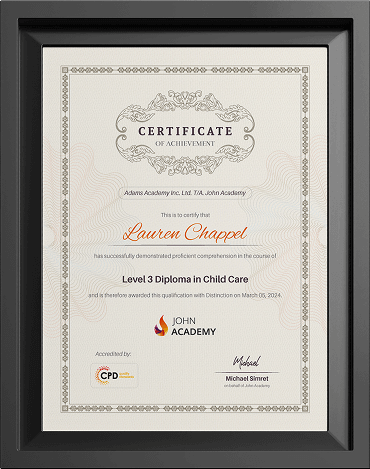
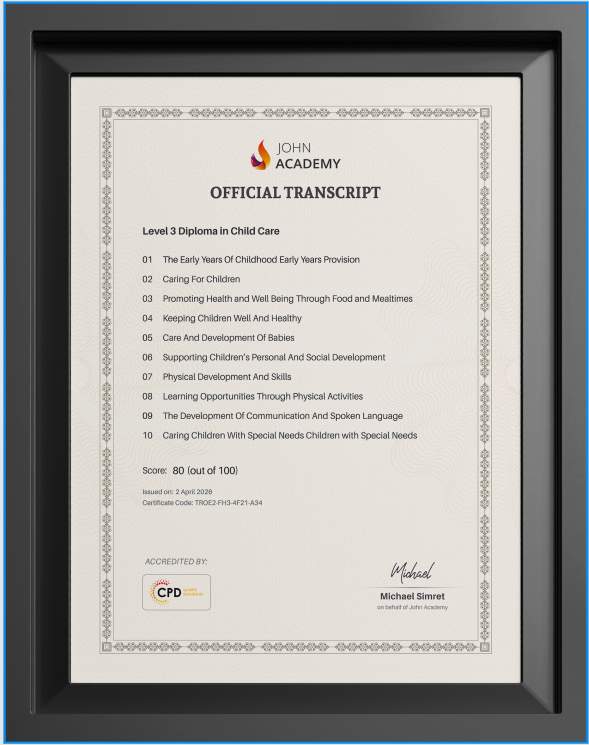
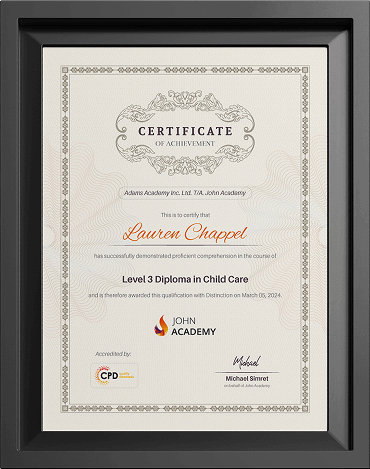
Upon successful completion of the course, learners will receive a certificate and transcript recognising their knowledge and skills in Political Science.

This certification demonstrates your understanding of political systems, governance structures, and public policy processes. It can be used to enhance your CV and support career opportunities in government, research, and international organisations.

You will receive:

  • A digital certificate for instant access
  • A printed certificate for professional use

This qualification supports your academic and professional development in the field of political studies.

John-Certificate-MockupJohn-Certificate-Mockup

Career Path​

Completing this course opens the door to a wide range of career opportunities in government, policy-making, research, and international relations. Knowledge of Political Science is highly valued in both public and private sectors.

Potential career roles include:

  • Policy Analyst – £28,000 to £50,000 annually

Analyse policies and provide recommendations for government or organisations

  • Government Officer – £25,000 to £45,000 annually

Support public administration and government operations

  • Political Researcher – £27,000 to £48,000 annually

Conduct research on political systems, trends, and policies

  • International Relations Specialist – £30,000 to £60,000 annually

Work with global organisations on diplomacy and international cooperation

  • Public Affairs Consultant – £35,000 to £65,000 annually

Advise organisations on political strategy and regulatory issues

Excellent

5 /5
★★★★★
verified Based on 627 reviews

Course Curriculum

  • video Introduction to Political Science
    00:14:00

Frequently Asked Questions

1. What is political science and why study it?

Political science studies government systems, political behavior, power structures, and public policies. It helps learners understand how societies are governed, how decisions are made, and how political institutions shape national and global affairs.

2. What are the main political theories and philosophies?

Political theories include liberalism, conservatism, socialism, and democracy. These philosophies explain how governments should function, how power is distributed, and how societies organize political and economic systems to achieve stability and justice.

3. How do different political systems work?

Political systems, such as democracy, monarchy, and authoritarianism, differ in governance and power distribution. Each system defines how leaders are chosen, how laws are made, and how citizens participate in decision-making processes.

4. What is the role of international relations?

International relations study how countries interact through diplomacy, trade, conflict, and cooperation. It helps explain global issues, alliances, international organizations, and how nations manage peace, security, and economic relationships worldwide.

5. How does public policy impact society?

Public policy shapes laws, regulations, and government actions that affect citizens’ daily lives. It influences education, healthcare, economy, and social welfare, helping governments address societal challenges and improve overall quality of life.