Introduction to Artificial Intelligence
Overview From healthcare to entertainment, AI is gradually spreading across a diverse range of industries. Therefore, developing a solid foundation …
 1270 Students


Save 93.15 % - Offer ENDS SOON

 Access All Courses for Only £49
 14-Day Money-Back Guarantee
-
1 Year Access
 -
IntermediateSkill Level -
3 hours, 17 minutesDuration
 Access
 Skill Level
 Duration
Introduction to Artificial Intelligence
Join thousands of learners building a successful career
Following 2 Courses are Included With This Course (For Free) - Limited Time!


Machine Learning for Beginners

Python Basic to Advanced for Data Science Online Course


Course Curriculum
-
Introduction to Artificial Intelligence 00:21:00
 Introduction to Artificial Intelligence
 -
Mathematics for AI 00:17:00
-
Knowledge Representation in AI – Part 1 00:18:00
-
Knowledge Representation in AI – Part 2 00:16:00
-
Machine Learning – Part 1 00:16:00
-
Machine Learning – Part 2 00:15:00
-
Deep Learning 00:16:00
-
Natural Language Processing 00:22:00
-
Computer Vision 00:14:00
-
Robotics 00:18:00
-
Building AI Applications 00:24:00
-
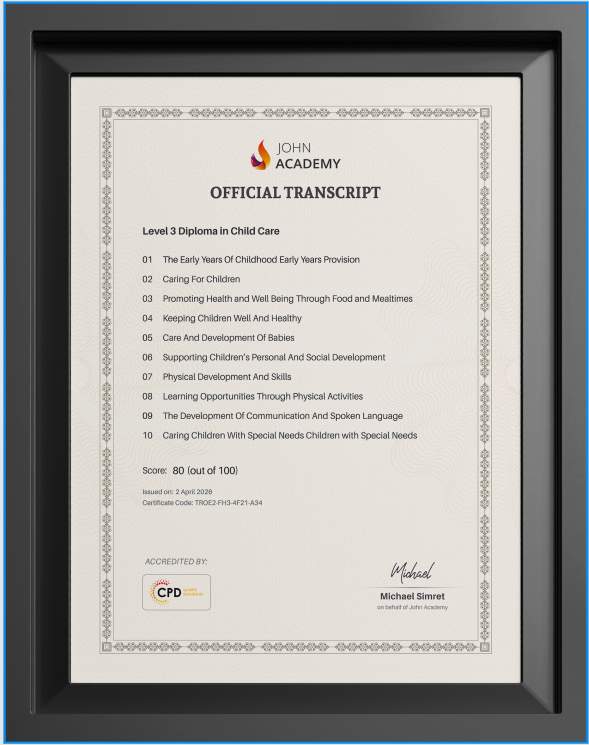
Order Your Certificates and Transcripts
-
Share your Feedback
Frequently Asked Questions
The four main types of artificial intelligence, categorized by their functionality and capability, are reactive machines, limited memory, theory of mind, and self-aware AI. The first two types exist today (Narrow AI), while the latter two are theoretical, future concepts.
AI will not replace jobs requiring high emotional intelligence, complex creativity, strategic decision-making, or specialized physical skills in unpredictable environments. Key AI-resistant fields include healthcare practitioners (nurses, therapists), skilled trades (electricians, plumbers), strategic leaders, educators, and creative artists. These roles depend on human empathy, nuance, and physical adaptability.
As of early 2026, ChatGPT (OpenAI) is the most used AI tool globally, boasting 900 million users and 2.7x more traffic than the next competitor, making it the leader in text generation and general AI usage. Other top, highly used AI tools include Gemini (Google), Claude (Anthropic), and Microsoft Copilot, which is deeply integrated into Microsoft 365 apps.
Ultimately, AI is not a replacement for human intelligence; it's a tool that can help us achieve our goals, but we need to ensure that we use it responsibly and ethically. Furthermore, humans bring a wide range of experiences, creativity, and intuition to the decision-making process that AI cannot replicate.
Human-Like Experiences & Emotions Experience emotions – AI can simulate emotions but does not actually feel them. Have self-awareness – AI doesn't have subjective experiences or a sense of "self."