End of Life Care Training for Carers

(473 Reviews)

stds1212 Students

End of Life Care Course

GET ACCESS TO THIS COURSE ALONG WITH 3000+ ONLINE COURSES FOR A YEAR FOR JUST £49. GET NOW

🔥13 items sold in last 9 hours

End of Life Care Training for Carers

Join thousands of learners building a successful career

14-Day Money-Back Guarantee

Overview

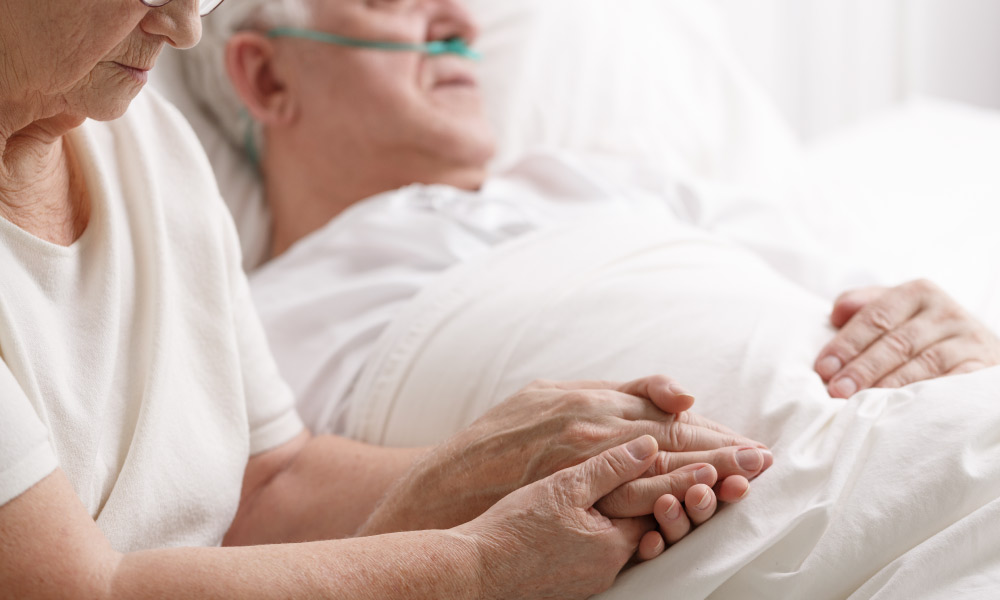
Everybody will die one day. However, a little time and care can help the dying person live each day to the fullest. This End of Life Care Training for Carers will provide a comprehensive guide to end of life care at home, in hospital, or in a care facility.

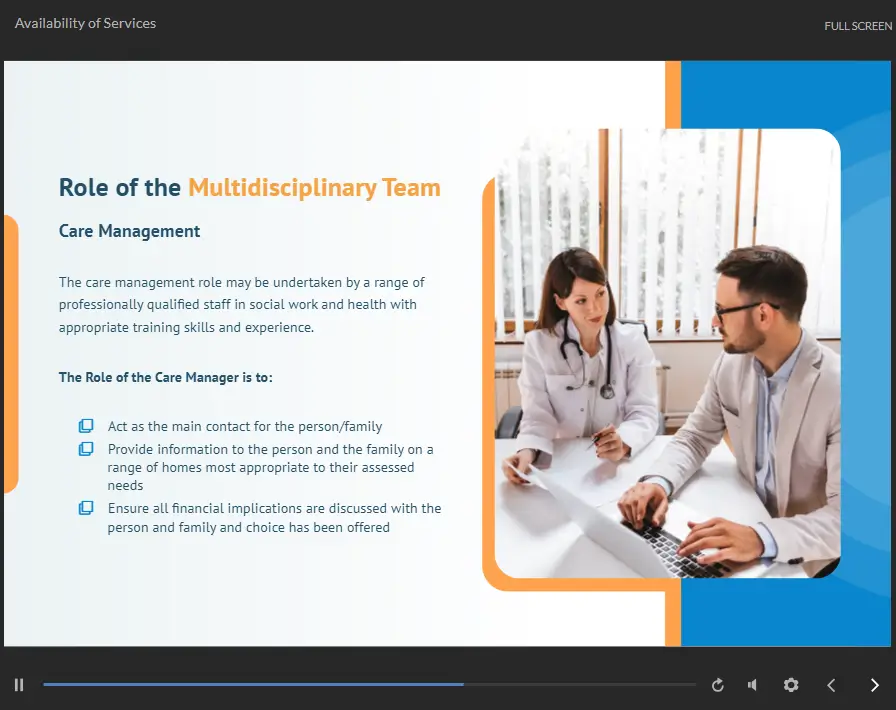
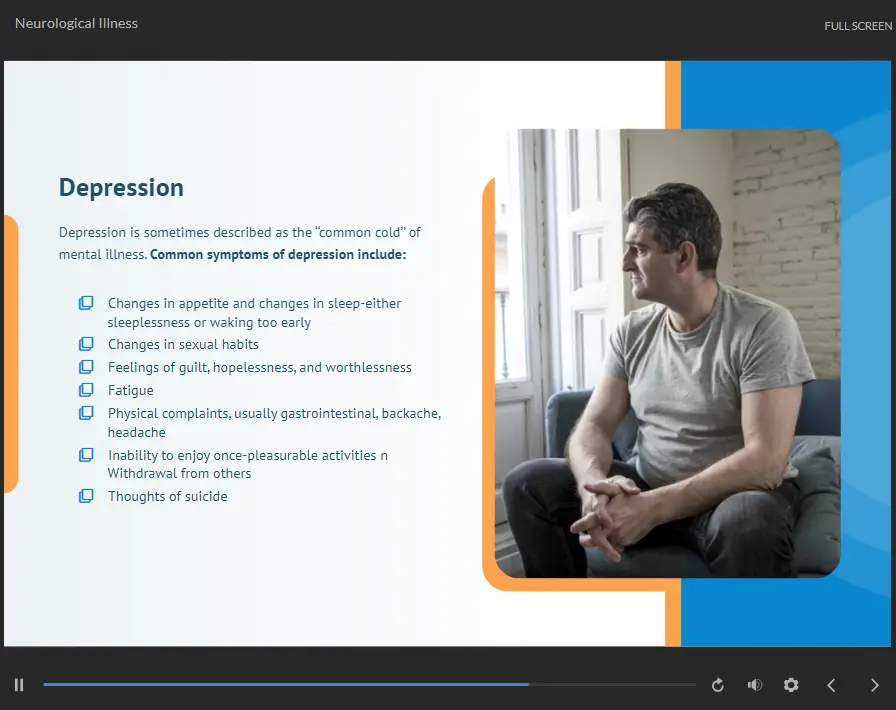
At this training, you’ll learn how to reach out to terminally ill patients with care, support, and gratitude. The course will introduce you to the various services provided in the end stage of life, including end of life care in hospital, end of life care home, and care home life, and discuss the steps of advanced care planning. You’ll learn about the neurological symptoms of end-of-life and understand how to provide physical support to people with a terminal illness.

Furthermore, you’ll discover the communication methods for dealing with dying patients and the aspects of holistic care assessment. Finally, you’ll find a comprehensive guide to after-death care, all focused on caring for life in every setting.

Bonus Features Included:

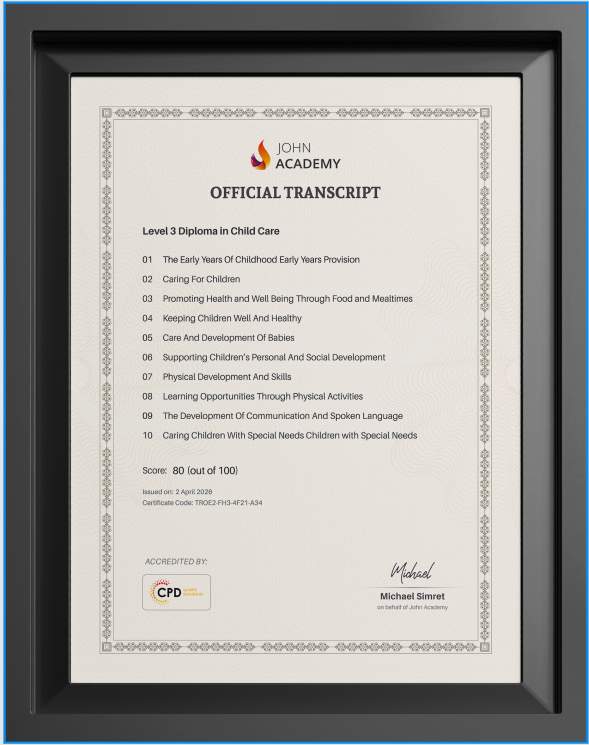
  • Free Transcript
  • Free CPD Accredited PDF Certificate
  • FREE Course: End of Life and Palliative Care Course
  • FREE Course: Dementia Awareness Course
  • Last Audited and updated on: 30th March 2026

Following 2 Courses are Included With This Course (For Free) - Limited Time!

Healthcare, Safety & Fitness

End of Life and Palliative Care Course

5.0 ★ ★ ★ ★ ★
Psychology

Dementia Awareness Course

5.0 ★ ★ ★ ★ ★

Course Preview

Learning Outcomes

  • Understand what is expected during end-of-life care, whether at home or in hospital
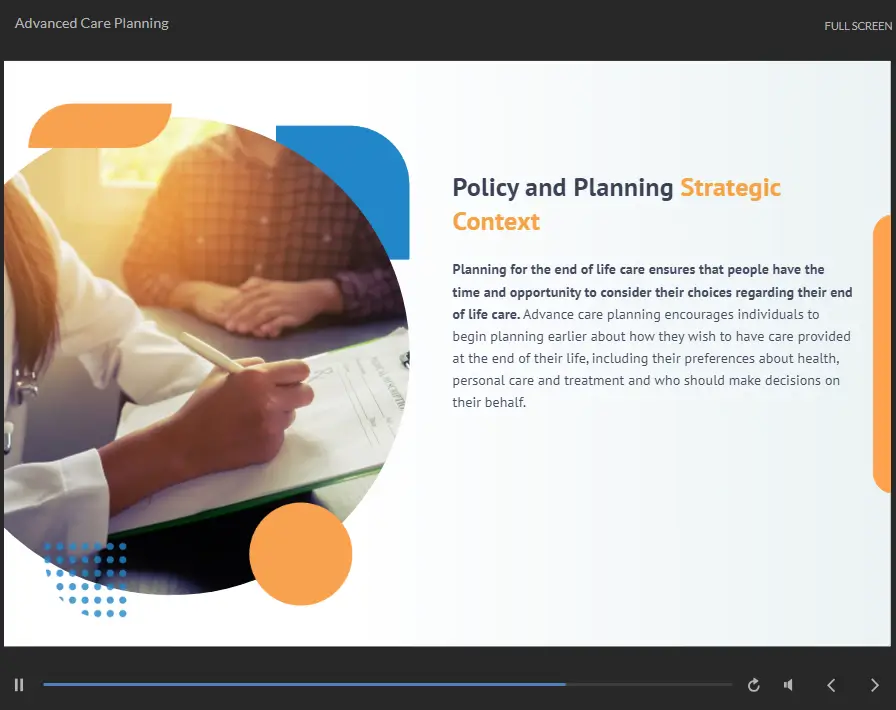
  • Know what advanced care planning in end-of-life care is
  • Learn about the physical aspects of end-of-life care in care homes or home settings
  • Develop a solid understanding of spiritual and psychosocial care
  • Determine the importance of communication in palliative care
  • Discover the challenges in end-of-life care
  • Identify the legal aspects of end-of-life care

Why Take This Course From John Academy?

  • Affordable, well-structured, and high-quality e-learning study materials
  • Meticulously crafted engaging and informative tutorial videos and materials
  • Efficient exam systems for assessment and instant results
  • Earn UK & internationally recognised accredited qualification
  • Easily access the course content on mobile, tablet, or desktop from anywhere, anytime
  • Excellent career advancement opportunities
  • Get 24/7 student support via email

What Skills Will You Learn From This Course?

  • Care planning for end-of-life patients
  • Communication
  • Psychological care
  • Physical care

Who Should Take End of Life Care Training for Carers?

Whether you’re an existing practitioner or an aspiring professional, this course is an ideal training opportunity. It will elevate your expertise and boost your CV with key skills and a recognised qualification attesting to your knowledge in end of life care at home, end of life care in hospital, and end of life care home.

Are There Any Entry Requirements?

This End of Life Care Training for Carers is available to all learners of all academic backgrounds. Learners should be aged 16 or over to undertake the qualification. A good understanding of the English language, numeracy, and ICT will be helpful.

Certificate of Achievement

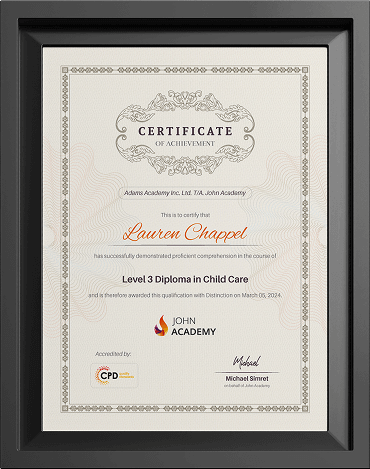
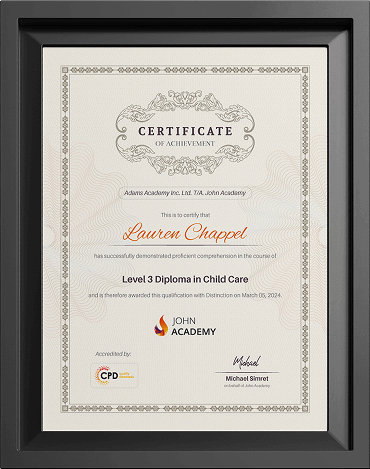
After completing this course successfully, you will be able to obtain an Accredited Certificate of Achievement. Certificates & Transcripts can be obtained either in Hard copy at £14.99 or in PDF format at £11.99.

John-Certificate-MockupJohn-Certificate-Mockup


Career Path​

The End of Life Care Training for Carers provides essential skills that will make you more effective in your role. It would be beneficial for any related profession in the industry, such as:

  • Hospice Personnel
  • Palliative Care Assistant
  • Healthcare Specialist
  • Rapid Personalised Care Service (RPCS) Carer
  • Social or Community Care Worker

End of Life Care Training for Carers

Excellent
Based on
473 Reviews
Mum Muna GB

I found the End of Life Care Training for Carers to be incredibly insightful and compassionate. The course provided practical strategies for supporting patients and their families, and the lessons were easy to follow. It has given me more confidence and understanding in my role as a carer. Highly recommended.

Course Curriculum

  • video Introduction to End of Life Care
    00:18:00

Frequently Asked Questions

What is end of life care and why is it important?

End of life care supports individuals during their final stage, whether receiving end of life care at home, end of life care in hospital, or in an end of life care home. It promotes dignity, comfort, and caring for life while improving overall care home life.

How does advance care planning support patients and families?

Advance care planning helps people make choices about end of life care at home, end of life care in hospital, or an end of life care home. It ensures personalised decisions that promote caring for life and enhance peace, comfort, and care home life.

What services are available for quality end of life care?

Services include palliative support, end of life care at home, end of life care in hospital, and specialist end of life care home options. These services focus on caring for life, maintaining dignity, and improving emotional and physical wellbeing throughout care home life.

How do carers manage physical and neurological illnesses at life’s end?

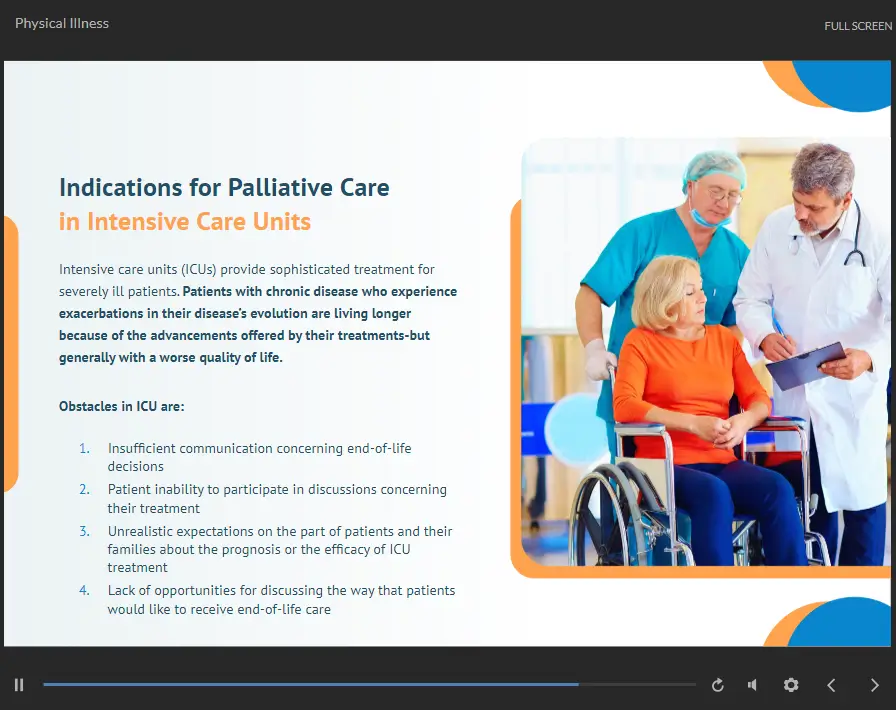
Carers address symptoms compassionately across settings such as end of life care at home, end of life care in hospital, and end of life care home environments. Their role in caring for life enhances comfort, reduces distress, and improves overall care home life.

Why is communication essential during end of life care?

Effective communication supports emotional needs whether receiving end of life care at home, end of life care in hospital, or in an end of life care home. It strengthens relationships, ensures caring for life, and improves understanding and comfort within daily care home life.