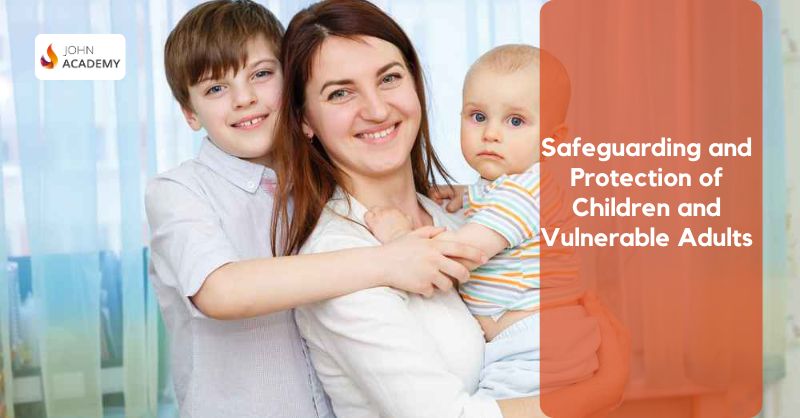
Protection in the UK’s growing complex and diverse society is not only a legal need – it is a fundamental moral responsibility to divide all sectors and communities. In the walls of a school, a care home, the office of the local authority, even a private family, creating an environment that protects the most vulnerable, which is important to maintain a society of dignity, respect and human rights.
Protection refers to the measures adopted for the protection of individuals’ health, well -being and human rights, especially those who are more at risk due to age, disability, illness or social situation. It promotes security, inclusion and empowerment as well as prevent abuse, neglect, exploitation and damage.
For kids, safety ensures that they can grow, learn and develop in the protected environment where their needs are met and their voices are heard. For weak adults – the elderly person, the person with disabilities, the mental health situation or dependence on the care of the mental health – means to be free from fear, forcibly or abuse, and to support their own informed decisions.
Safeguarding is a fate responsibility. It is involved in everyone – from parents and guardians to teachers, care workers, nurses, community leaders, volunteers and neighbors. Regardless of your profession or background, it is important to be able to recognize the signs of abuse, to respond properly and to know when and how to report anxiety.
In this in-depth blog, we’ll explore:
1.What safeguarding truly means in care and educational settings
2.The core principles and legal frameworks that underpin it
3.The difference between safeguarding children and safeguarding adults
4.Real-world scenarios and how safeguarding policies are put into action
5.The importance of training and ongoing awareness
How you can develop your own skills in this area—whether you’re looking to protect your loved ones or pursue a career in education, health, or social care
We’ll also introduce two highly recommended online qualifications:
- Child Protection and Safeguarding Online Course
Children deserve a safe, supportive environment, but many face abuse or neglect—often from those closest to them. Our Child Protection and Safeguarding Course equips you with the knowledge and skills to identify, respond to, and prevent abuse across various settings.Ideal for aspiring child protection officers or professionals working with children, this CPD-accredited, fully online, and self-paced safeguarding course (UK) covers key principles: prevention, protection, partnership, accountability, and empowerment. You’ll learn how to spot types of abuse, manage disclosures, and confidently apply safeguarding policies.Whether you’re upskilling, seeking compliance, or enhancing your child care or education career, this course provides a solid foundation in UK safeguarding law and practice.
- Safeguarding Vulnerable Adults Level 3
Learn the right ways of safeguarding vulnerable adults with the course.
The Safeguarding Vulnerable Adults Level 3 course is designed for the people who want to protect vulnerable adults. The course is made in line with the latest UK legislation and meets the requirements set out by the Care Quality Commission (CQC), Skills for Health’s UK Core Skills Training Framework (CSTF), the Health and Safety Executive, and other regulatory bodies.
Vulnerable adults are people over 18 who are unable to protect themselves from harm or being exploited because of disability, age or illness. Throughout the intensive course, you will understand the legislation regarding safeguarding adults. The strategies for preventing harm and reducing the risks of neglecting and abusing and the methods of creating awareness will be discussed in the course.
In short, the course prepares you to safeguard and protect vulnerable adults.
Table of Contents
What Is Safeguarding in Care?
Safeguarding in care refers to the measures and actions taken to protect individuals—particularly children, elderly people, and vulnerable adults—from abuse, neglect, harm, and exploitation. It ensures that every person receiving care or support is treated with dignity, respect, and fairness, and that their health, safety, rights, and wellbeing are prioritised at all times.
In care settings such as residential homes, schools, hospitals, and community services, safeguarding is both a legal obligation and a moral commitment. It involves creating environments where individuals feel safe, listened to, and supported, while also having clear systems in place to identify and respond to risks or concerns.
Who Needs Safeguarding?
While everyone has the right to live free from harm, safeguarding efforts in care focus especially on:
Children and young people under the age of 18
Adults at risk, including those with:
- Physical or learning disabilities
- Mental health conditions
- Dementia or cognitive impairments
- Dependency on care or assistance
- Situations involving domestic abuse, homelessness, or substance misuse
These groups may not always be able to protect themselves from harm, making them more vulnerable to abuse or neglect.
What Does Safeguarding Involve?
Safeguarding in care is a broad, proactive process that includes:
- Preventing harm before it happens
- Identifying signs of abuse, neglect, or poor care
- Responding quickly and appropriately to concerns or disclosures
- Reporting and recording incidents according to legal and organisational guidelines
- Working in partnership with families, social workers, healthcare professionals, and safeguarding authorities
Types of Harm Safeguarding Protects Against
Safeguarding policies and training equip individuals to recognise and act upon various forms of harm, including:
- Physical abuse (e.g., hitting, rough handling)
- Emotional abuse (e.g., humiliation, threats)
- Sexual abuse
- Financial abuse (e.g., theft, coercion)
- Neglect (e.g., failure to meet basic needs)
- Discriminatory or institutional abuse
Why Is It Important?
Without effective safeguarding practices, vulnerable individuals are at serious risk of harm—sometimes from those entrusted to care for them. Safeguarding in care not only prevents these tragedies but also builds trust, promotes independence, and ensures people feel valued and protected in every interaction.

Why Safeguarding Matters in the UK Today
The UK government’s commitment to safeguarding is reflected in key legislation such as:
The Children Act 1989 and 2004
This law provides a foundation structure to protect and promote children’s welfare, to protect the children from loss of children in local authorities, courts, parents and other agencies and to meet their developmental needs. This Act strengthens the responsibility of all individuals and organizations working with children to protect and promote their welfare based on the Act of 1989
The Care Act 2014
Initially when focusing on adults, this law also includes the protection of adults at risk of abuse or neglect.
- Working Together to Safeguard Children (updated 2023)
- Keeping Children Safe in Education (KCSIE 2024)
These frameworks place legal and ethical duties on individuals and organisations to:
- Identify signs of abuse and neglect early
- Share concerns with the appropriate authorities
- Take timely action to protect those at risk
- Support victims and survivors in recovery
With the rise of digital threats, mental health challenges, and social isolation, especially after the COVID-19 pandemic, the need for skilled safeguarding professionals has never been more urgent.
Who Is Considered Vulnerable?
While children (under 18) are always considered vulnerable, adults may also be classified as vulnerable depending on their circumstances. A vulnerable adult is someone who:
1.Has a physical or learning disability
2.Is elderly or frail
3.Lives with a chronic illness or mental health condition
4.Depends on others for daily living tasks
5.Lacks the capacity to make certain decisions
Is experiencing substance misuse, homelessness, or domestic abuse
These individuals may struggle to protect themselves, making them targets for neglect, exploitation, and abuse. Safeguarding adults is therefore not only a matter of good practice—it’s a moral and legal duty.
What Are the 6 Principles of Safeguarding?
Understanding the six core principles of safeguarding helps ensure that protection efforts are person-centred, ethical, and effective:
1.Empowerment – Supporting individuals to make their own decisions and give informed consent.
2.Prevention – Taking action before harm occurs.
3.Proportionality – Ensuring responses to risks are appropriate and not overbearing.
4.Protection – Offering help to those at greatest risk.
5.Partnership – Working with families, communities, and professionals.
6.Accountability – Making safeguarding transparent and well-documented.
These principles are embedded in both child and adult protection strategies and shape how professionals respond to concerns.

Recognising the Signs of Abuse or Neglect
Whether you’re a teacher, support worker, neighbour, or parent, knowing how to spot the early warning signs of abuse is essential.
In Children
- Unexplained injuries
- Sudden behavioural changes
- Avoidance of certain people or places
- Excessive fear or anxiety
- Poor hygiene or frequent hunger
- Inappropriate sexual knowledge for their age
In Vulnerable Adults
- Unusual financial activity or missing belongings
- Withdrawal, depression, or agitation
- Poor physical care (e.g., bed sores, unwashed clothes)
- Fear of caregivers or reluctance to speak
- Sudden weight loss or dehydration
- Signs of restraint or medication misuse
If something doesn’t feel right—trust your instincts and report it. It’s better to raise a false alarm than ignore genuine harm.
How to Report Safeguarding Concerns in the UK
Each local authority has a safeguarding board or partnership responsible for handling referrals. If you have immediate concerns:
Call 999 in emergencies.
Contact your local council’s safeguarding team (usually found online).
Inform your designated safeguarding lead in schools or workplaces.
Use NSPCC (for children) or Action on Elder Abuse (for adults) for anonymous advice.
Failing to report can lead to serious consequences—not only for the individual at risk but for organisations and staff as well.
Safeguarding in Professional Environments
In Education
Every school must appoint a Designated Safeguarding Lead (DSL) and implement KCSIE guidelines. Teachers and support staff must undergo regular training to identify signs of neglect or abuse and respond effectively.
In Healthcare and Social Care
Nurses, carers, and support staff are on the frontline of adult safeguarding. Mandatory reporting, documentation, and knowledge of the Mental Capacity Act are essential to protect patients and clients.
In Workplaces and Volunteering
Even organisations that aren’t primarily care-based (e.g., sports clubs, youth centres, charities) must adopt safeguarding policies. Volunteers and employees should be trained to create a safe culture and report any concerns.
How Safeguarding Impacts Career Development
If you’re pursuing a career in:
- Social care
- Teaching or childcare
- Health and nursing
- Youth work
- Counselling
- Security or housing
Safeguarding qualifications are not just recommended—they’re often mandatory.
Employers are more likely to hire candidates who already understand:
- How to respond to disclosures
- The importance of confidentiality and data protection
- When and how to escalate concerns
- UK safeguarding legislation and multi-agency working
Adding accredited safeguarding training to your CV increases your employability, trustworthiness, and professional credibility—especially in regulated roles.
The Role of Training and Certification in Safeguarding
One of the most effective ways to strengthen safeguarding is through education and training. Whether you’re new to care or updating your skills, structured courses help you:
- Understand UK legislation and duty of care
- Recognise physical, emotional, and behavioural indicators of abuse
- Respond appropriately to disclosures
- Record and report safeguarding concerns professionally
Work within multi-agency frameworks
Recommended Courses:
Child Protection and Safeguarding Online Course
Ideal for teachers, parents, youth workers, and anyone working with children. This course covers:
- Types of child abuse
- Roles and responsibilities under UK law
- Handling disclosures
- Creating safe environments
This Courses are CPD-accredited, fully online, and suitable for learners at all levels.
Child Protection and Safeguarding Online Course
Protect children from harm with our UK safeguarding course. Learn to identify and prevent abuse.
Safeguarding Vulnerable Adults Level 3
Perfect for care workers, nurses, support staff, and housing officers. Topics include:
- Signs of adult abuse and neglect
- Risk assessment and response
- Multi-agency working
- The Care Act 2014 and Mental Capacity Act 2005
This Courses are CPD-accredited, fully online, and suitable for learners at all levels.
Safeguarding Vulnerable Adults Level 3
Safeguard vulnerable adults with Level 3 training. Learn to prevent, identify, and respond to abuse.
Final Thought: Empowering Communities Through Safeguarding
Safeguarding is more than just policy—it’s a shared responsibility rooted in empathy and awareness. Whether you’re a parent, job seeker, or professional, understanding how to protect children and vulnerable adults is an essential life skill.
By learning to recognise risks, respond effectively, and promote safe environments, we help build communities where everyone feels protected and respected.
Ready to make a difference? Start with accredited courses like Child Protection and Safeguarding Online or Safeguarding Vulnerable Adults Level 3—and be part of a safer future.


FAQ
This course is ideal for teachers, carers, healthcare workers, social workers, and anyone working with children or vulnerable adults.
No prior experience is required. The course is beginner-friendly and designed to build your knowledge from the ground up.
Yes, this course is CPD-accredited and recognised across the UK, helping you meet professional and compliance standard
Yes, it’s fully online and self-paced, allowing you to study at your convenience.
Yes, it’s fully online and self-paced, allowing you to study at your convenience.
Read More



Course Categories
- Accounting & Finance
- Animal Care
- Beauty & Wellness
- Business
- Business & Management
- Career Bundles
- Employability
- English Language / Adult Education
- Finance
- Health & Fitness
- Healthcare, Safety & Fitness
- Hospitality
- HR and Leadership
- interactive course
- IT & Development
- IT, Software & Technology
- Job Ready Programme
- Language
- Lifestyle
- Management
- Marketing
- Personal Development
- Photography & Video
- Project Management
- Psychology
- Security
- Sports
- Teaching & Education
- Technology
- Therapy
- Web Development