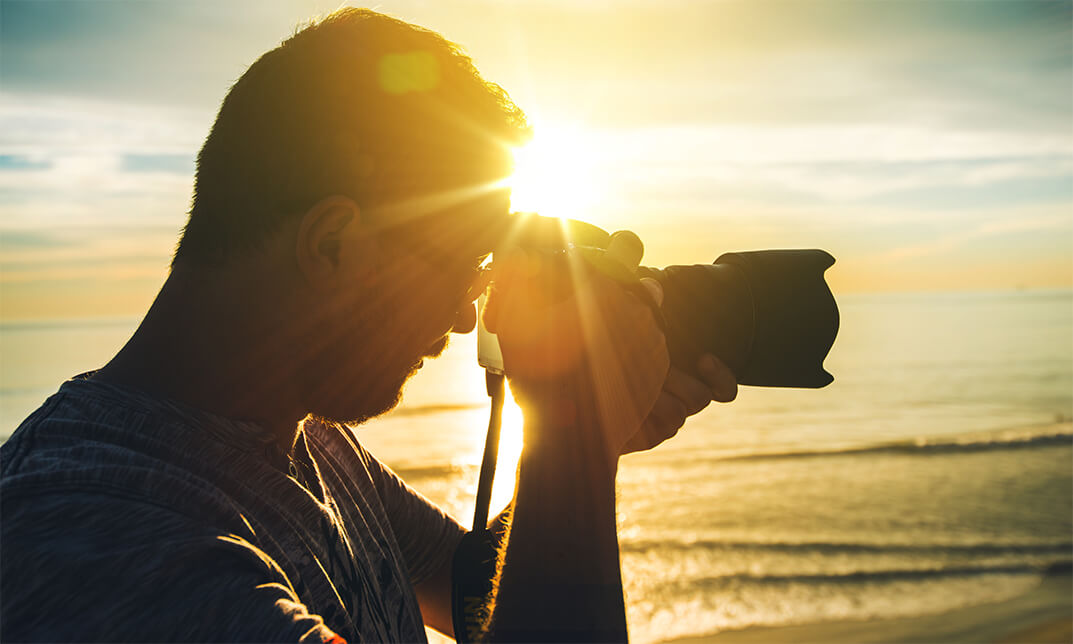
Advanced Diploma in Photography
Photography is a powerful creative and professional skill that can open opportunities across media, advertising, events, publishing, and digital content …
 1121 Students

Save 93.19 % - Offer ENDS SOON

 Access All Courses for Only £49
 14-Day Money-Back Guarantee
-
1 Year Access
 -
Level 4 - Adv. Diploma Skill Level
 -
2 days, 22 hours Duration
Advanced Diploma in Photography
Join thousands of learners building a successful career
Course Curriculum
-
 Choosing Areas of Specialization in Digital Photography 00:30:00
 -
What Makes A Good Photographer? 01:00:00
-
Types of Cameras for Photography 00:45:00
-
How Does a Camera Capture an Image? 00:15:00
-
Which Digital Camera Features Do You Really Need? 00:30:00
-
Know The Basic Elements Of Your Digital Camera 00:45:00
-
RAW vs JPEG 00:15:00
-
Photographic Lenses 00:45:00
-
Rule of Thirds 00:15:00
-
Understanding Digital Camera Modes 00:45:00
-
Using Automatic Camera Modes 00:30:00
-
Exposure 00:30:00
-
Introduction to Aperture 00:45:00
-
Introduction to Shutter Speed 00:45:00
-
Introduction to ISO 00:45:00
-
Compositional Rules in Photography 00:30:00
-
Semi-Automatic Shooting Modes 01:00:00
-
Flash Photography 01:00:00
-
Understanding Color in Photography 00:45:00
-
How to Edit Photos in Adobe Lightroom 00:45:00
-
Photo Editing Workflow Tutorial 01:00:00
-
Post Production Considerations 00:45:00
-
Shooting Landscapes 00:45:00
-
Landscape Photography Tips 01:00:00
-
Photography Basics 00:30:00
-
The Art of Photography 01:00:00
-
How to Get the Most Out of Your Digital Camera Purchase 00:30:00
-
Why Having a DSLR is Like Having a Second Camera 00:30:00
-
What You Should Look for in a Digital Camera 01:00:00
-
The Benefits of Purchasing a DSLR Camera 01:00:00
-
Are You Getting the Most Out of Your Digital Camera? 00:30:00
-
Learning to Use Your Flash Properly on Your Digital Camera 00:30:00
-
Learn to Use Your Presets on Your Digital Camera 00:30:00
-
What Brand of Digital Camera is Best? 00:30:00
-
Understanding Shooting Speed on Your DSLR 00:30:00
-
Become a Good Photographer Before Buying Expensive Equipment 01:00:00
-
8 Digital Camera Brands You Should Know About 00:30:00
-
Do You Know the Best Digital Cameras to Buy? 00:30:00
-
Digital Camera and the Role of ISO 00:30:00
-
Digital Cameras Have Revolutionized Photography 00:30:00
-
Low Light Photography Tips 01:00:00
-
5 Rules of Buying a Point and Shoot Camera 00:30:00
-
4 Digital Camera Features You Should Understand 01:00:00
-
Nikon D5200 or Sony Alpha NEX-6 – Which is the Best Buy? 00:30:00
-
3 Basics to Consider While Buying a Digital Camera 00:15:00
-
How to Become a Digital Photographer? 02:00:00
-
Getting into the Scene 02:00:00
-
Choosing the Right Camera 02:00:00
-
Making Pictures for a Living 03:00:00
-
The Tools and Software for Editing the Images 02:00:00
-
The Most Commonly Asked Questions 01:00:00
-
FREELANCE PHOTOGRAPHY AND YOU 00:30:00
-
SHOULD YOU BE IN THIS BUSINESS FOR YOURSELF? 01:00:00
-
WEDDINGS 01:00:00
-
PORTRAITS 01:00:00
-
CARDS 01:00:00
-
NEWSPAPERS 01:30:00
-
SPECIALTY PHOTOGRAPHY 01:00:00
-
COPYRIGHTING YOUR WORK 01:00:00
-
ESTABLISHING YOUR BUSINESS 00:30:00
-
Introduction 00:30:00
-
Photographs Everywhere You Look 00:30:00
-
Do You Have What It Takes? 01:00:00
-
Choosing a Camera 00:30:00
-
Get ‘Get Rich Quick’ Out of Your Head 00:15:00
-
Like Winning the Lottery 01:00:00
-
Microstock Photography 01:00:00
-
Sites That Pay for Your Photos 01:00:00
-
Posting Your Photos Online 00:30:00
-
Who Buys Photos? 00:15:00
-
For The Truly Ambitious 00:30:00
-
Know Why A Professional Wedding Photographer Is Best 01:00:00
-
The Importance Of A Wedding Photography Shot List 00:30:00
-
Mistakes First Time Wedding Photographers Make 00:30:00
-
A Wedding Photographer Cannot Be Timid 00:30:00
-
Are You Using RAW? 00:30:00
-
Getting Great Detail Wedding Shots 00:30:00
-
Make The Most Of The Unexpected With Wedding Photography 01:00:00
-
Problems On The Site For Wedding Photographers 01:00:00
-
Use Continuous Shooting Features 00:30:00
-
Wedding Photographer Gets Up High 01:00:00
-
Showcase Your Photos At The Wedding Reception 00:15:00
-
Wedding Photography With Two Cameras? 00:30:00
-
Selecting Property Wedding Photo Backgrounds 00:30:00
-
Wedding Photographer Tips For Changing Things Up 01:00:00
-
Wedding Photographers Should Check Out The Location 00:05:00
-
Wedding Photography And Diffused Light 00:30:00
-
Wedding Photographer Tips For Back Up Support 00:30:00
-
Wedding Photographer Tip For What Couples Expect From You 00:30:00
-
Wedding Photography: Handling The Family Photo 00:30:00
-
Wedding Photography Tip For Deleting As You Go 00:15:00
-
Wedding Photography Is Profitable 01:00:00
-
Refer A Friend
Frequently Asked Questions
Digital photography basics include understanding your camera, exposure, aperture, shutter speed, ISO, lenses, composition, and shooting modes. Learning these fundamentals helps photographers control image quality, capture creative photographs, and develop professional photography skills.
Aperture controls the lens opening and depth of field, shutter speed controls motion and exposure time, while ISO affects light sensitivity. Understanding these three settings helps photographers achieve correct exposure and creative control in different conditions.
Improve photography skills by practising composition, experimenting with camera settings, studying lighting, shooting different subjects, and reviewing your images. Learning editing techniques and regularly practising helps develop creativity, technical confidence, and professional-quality photography.
Professional photographers may need a suitable digital camera, interchangeable lenses, memory cards, batteries, lighting equipment, tripod, flash, and editing software. The right equipment depends on the photography speciality, such as weddings, landscapes, portraits, or commercial work.
Starting a photography business involves choosing a speciality, developing technical skills, creating a portfolio, establishing pricing, understanding copyright, marketing services, and building client relationships. Freelancing, wedding photography, portraits, and specialty photography can provide potential business opportunities.