Art Curation Online Training
 1440 Students
Save 92.86 % - Offer ENDS SOON

 Access All Courses for Only £49
 14-Day Money-Back Guarantee
-
1 Year Access
 -
Intermediate Skill Level
 -
3 hours, 7 minutesDuration
 Skill Level
 Duration


Art Curation Online Training
Join thousands of learners building a successful career
Following 2 Courses are Included With This Course (For Free) - Limited Time!


Diploma in Smart Phone Advertising

Entrenamiento en Exposiciones para el Personal – Training in Exhibitions for the Staff


Course Curriculum
-
Introduction to Art Curation 00:20:00
 Introduction to Art Curation
 -
Art Selection and Collection Development 00:17:00
-
Exhibition Design and Space Management 00:16:00
-
Interpretation and Communication 00:16:00
-
Conservation and Preservation 00:16:00
-
Marketing and Promotion 00:16:00
-
Curatorial Challenges and Innovations 00:14:00
-
Collaboration and Team Management 00:16:00
-
Exhibition Installation and Logistics 00:16:00
-
Curating in the Digital Age 00:14:00
-
Exhibition Funding and Sustainability 00:13:00
-
Final Exhibition Project 00:13:00
-
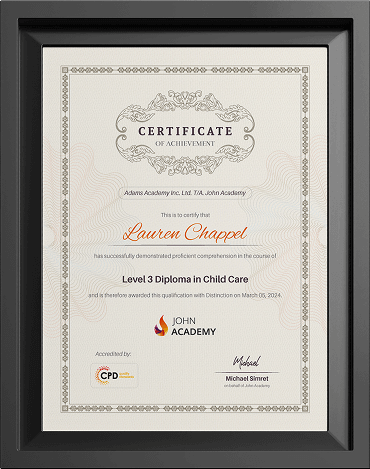
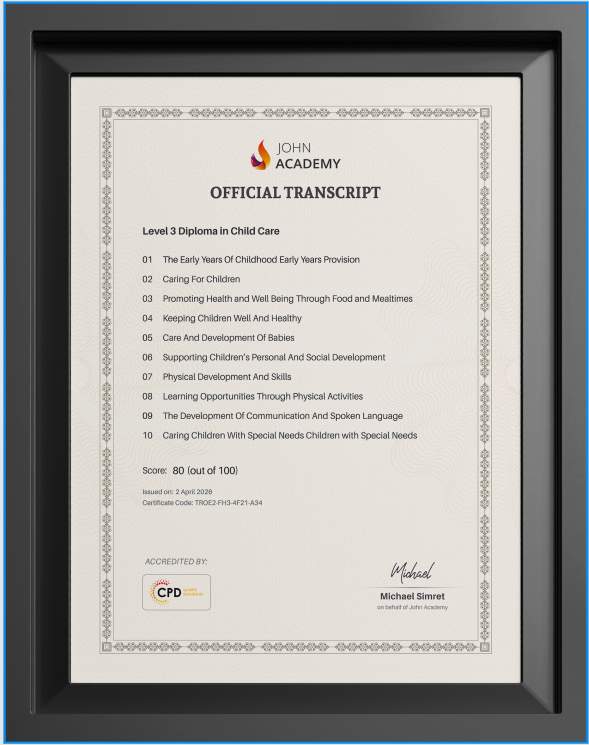
Order Your Certificates and Transcripts
-
Share your Feedback
Frequently Asked Questions
Art curation is the professional practice of selecting, organizing, and presenting artworks to create a meaningful, thematic experience for an audience. Derived from the Latin cura ("to take care"), it involves researching, acquiring, and managing art, bridging the gap between artists and viewers to create a cohesive story or experience.
Curator qualifications typically require a bachelor’s degree in art history, archaeology, anthropology, or museum studies, often followed by a master’s degree for specialized knowledge. Essential skills include deep subject expertise, research ability, and practical experience gained through internships or volunteering.
Think about your immediate connections, then ask other artists and mentors for suggestions. Next you will need to do some fieldwork by visiting these artists at their studios. Often a curator goes to a studio with an idea of what she/he wants, and she/he chooses work accordingly.
Salary. Starting salaries for assistant curators are around £25,000. Experienced curators earn up to £43,000. In senior roles, such as lead curator or head of collections, it's possible to earn £50,000+.
They won't be able to curate with nuance, or tell complicated human stories with factually based evidence and context. I can definitely see AI creeping into the museum world in the future, but as a tool used by staff. AI will never fully replace educated and experienced museum staff in a meaningful way.