CompTIA Pen Test+ (Ethical Hacking) Course
Cybersecurity threats continue to grow rapidly across businesses, governments, and digital platforms worldwide. Organisations now require skilled cybersecurity professionals who …
 1259 Students


Save 93.15 % - Offer ENDS SOON

 Access All Courses for Only £49
 14-Day Money-Back Guarantee
-
1 Year Access
 -
Intermediate Skill Level
 -
14 hours, 48 minutesDuration
 Skill Level
 Duration
CompTIA Pen Test+ (Ethical Hacking) Course
Join thousands of learners building a successful career




Course Curriculum
-
Introduction to the CompTIA PenTest+ (PT0-002) Course 00:02:00
-
About the CompTIA PenTest+ (PT0-002) Exam 00:07:00
 Introduction to the CompTIA PenTest+ (PT0-002) Course
 -
Planning a Pen Test 00:08:00
-
Rules of Engagement 00:10:00
-
Regulatory Compliance 00:04:00
-
Resources and Budget 00:07:00
-
Impact and Constraints 00:05:00
-
Support Resources 00:13:00
-
Legal Groundwork 00:12:00
-
Service Provider Agreements 00:02:00
-
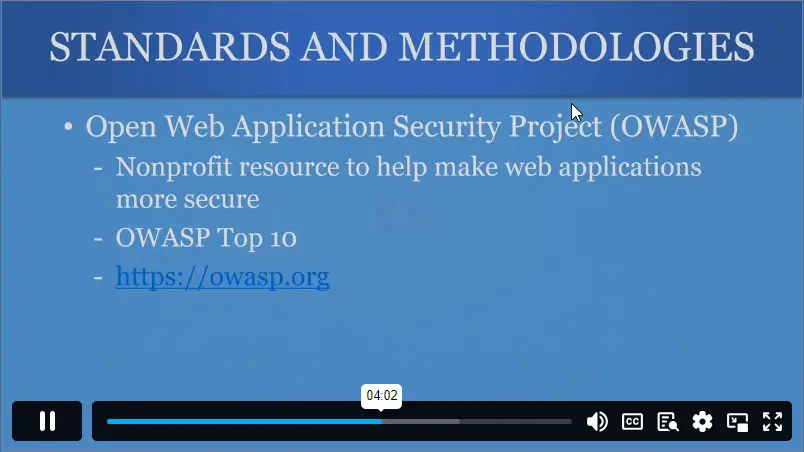
Standards and Methodologies, Part 1 00:07:00
-
Standards and Methodologies, Part 2 00:09:00
-
Environmental and Scoping Considerations 00:14:00
-
Ethical Mindset 00:06:00
-
Lab Environment Setup 00:18:00
-
Project Strategy and Risk 00:09:00
-
Scope Vulnerabilities 00:13:00
-
Compliance-Based Assessments 00:04:00
-
Scanning and Enumeration 00:04:00
-
Scanning Demo 00:11:00
-
Packet Investigation 00:08:00
-
Packet Inspection Demo 00:06:00
-
Labtainers Setup 00:12:00
-
Labtainers Lab (Wireshark) 00:09:00
-
Application and Open-Source Resources 00:12:00
-
Passive Reconnaissance 00:10:00
-
Active Reconnaissance 00:08:00
-
Vulnerability Scanning 00:09:00
-
Vulnerability Scanning Demo 00:16:00
-
Labtainers Lab (Network Basics) 00:03:00
-
Labtainers Lab (Nmap Discovery) 00:03:00
-
Target Considerations 00:16:00
-
Analyzing Scan Output 00:06:00
-
Nmap Scoping and Output Options 00:21:00
-
Nmap Timing and Performance Options 00:07:00
-
Prioritization of Vulnerabilities 00:09:00
-
Common Attack Techniques 00:12:00
-
Automating Vulnerability Scans 00:04:00
-
Credential Attacks 00:15:00
-
Labtainers Lab (Password Cracking) 00:02:00
-
Labtainers Lab (Secure Socket Layers) 00:03:00
-
Labtainers Lab (Routing Basics) 00:02:00
-
Exploit Resources and Network Attacks 00:05:00
-
Network-Based Exploits 00:07:00
-
FTP Exploit Demo 00:08:00
-
Man-in-the-middle Exploits 00:07:00
-
Labtainers Lab (TCP/IP Attacks) 00:02:00
-
Labtainers Lab (ARP Spoof Attacks) 00:02:00
-
Labtainers Lab (Local DNS Attacks) 00:02:00
-
Labtainers Lab (MACs and Hash Functions) 00:01:00
-
Wireless Exploits, Part 1 00:13:00
-
Wireless Exploits, Part 2 00:03:00
-
Antennas 00:04:00
-
OWASP Top 10 00:09:00
-
Application Exploits, Part 1 00:06:00
-
SQL Injection Demo 00:09:00
-
Labtainers Lab (SQL Injection) 00:03:00
-
Application Exploits, Part 2 00:08:00
-
Application Exploits, Part 3 00:09:00
-
Cross-Site Scripting Demo 00:07:00
-
Labtainers Lab (Cross-Site Scripting) 00:02:00
-
Labtainers Lab (Cross-Site Request Forgery) 00:01:00
-
Code Vulnerabilities 00:17:00
-
API Attacks and Attack Resources 00:06:00
-
Privilege Escalation (Linux) 00:10:00
-
Privilege Escalation (Windows) 00:06:00
-
Misc. Privilege Escalation 00:08:00
-
Misc. Local Host Vulnerabilities 00:08:00
-
Cloud Attacks, Part 1 00:05:00
-
Cloud Attacks, Part 2 00:05:00
-
Mobile Attacks 00:10:00
-
IoT Attacks 00:10:00
-
Data Storage and Management Interface Attacks 00:09:00
-
Virtual and Containerized Environment Attacks 00:08:00
-
Virtual and Containerized Environment Attacks 00:08:00
-
Pretext for a Social Engineering Attack 00:03:00
-
Remote Social Engineering 00:06:00
-
Spear Phishing Demo 00:10:00
-
In-Person Social Engineering 00:12:00
-
Physical Security 00:11:00
-
Post-Exploitation Techniques 00:11:00
-
Post-Exploitation Tools 00:03:00
-
Network Segmentation Testing 00:03:00
-
Persistence and Stealth 00:11:00
-
Detection Avoidance Techniques 00:06:00
-
Report Writing 00:15:00
-
Important Components of Written Reports 00:03:00
-
Mitigation Strategies 00:05:00
-
Technical and Physical Controls 00:04:00
-
Administrative and Operational Controls 00:05:00
-
Communication 00:09:00
-
Presentation of Findings 00:03:00
-
Post-Report Activities 00:05:00
-
Data Destruction Process 00:02:00
-
Using Scripting in Pen Testing 00:13:00
-
Bash Scripting Basics 00:15:00
-
Bash Scripting Techniques 00:10:00
-
PowerShell Scripts 00:04:00
-
Ruby Scripts 00:07:00
-
Python Scripts 00:06:00
-
Scripting Languages Comparison 00:11:00
-
Data Structures, Part 1 00:08:00
-
Data Structures, Part 2 00:08:00
-
Libraries 00:03:00
-
Classes 00:08:00
-
Procedures and Functions 00:06:00
-
Perl and JavaScript 00:06:00
-
Pen Testing Toolbox 00:07:00
-
Using Kali Linux 00:06:00
-
Scanners & Credential Tools 00:10:00
-
Code-Cracking Tools 00:04:00
-
Open-Source Research Tools 00:06:00
-
Wireless and Web Pen Testing Tools 00:11:00
-
Remote Access Tools 00:06:00
-
Analyzers and Mobile Pen Testing Tools 00:02:00
-
Other Pen Testing Tools 00:04:00
-
Labtainers Lab (Metasploit Framework) 00:02:00
-
Labtainers Lab (Wireshark Packet Inspection) 00:02:00
-
Labtainers Lab (SSH) 00:01:00
-
Scanners, Debuggers, and Wireless Tools 00:10:00
-
Web, Steganography, and Cloud Tools 00:09:00
-
Order Your Certificates and Transcripts
Frequently Asked Questions
Ethical hacking and penetration testing involve identifying security weaknesses in systems, networks, and applications using authorized techniques. Professionals simulate cyberattacks to improve cybersecurity, protect sensitive data, and strengthen organizational defenses against real-world threats.
Penetration testers need networking knowledge, vulnerability assessment skills, scripting basics, reporting abilities, and familiarity with security tools. Strong analytical thinking and understanding of ethical hacking methodologies help identify and address cybersecurity vulnerabilities effectively.
Vulnerability scans detect security weaknesses, outdated software, and configuration issues in systems and networks. Regular scanning helps organizations fix vulnerabilities early, reduce cyber risks, improve compliance, and strengthen protection against potential cyberattacks and data breaches.
Ethical hackers use tools for network scanning, password testing, vulnerability assessment, exploitation, and reporting. These tools help identify weaknesses, analyze systems, simulate attacks, and improve security posture while following ethical and legal guidelines.
Reporting documents vulnerabilities, attack methods, risks, and remediation recommendations discovered during penetration testing. Clear communication helps organizations understand security issues, prioritize fixes, maintain compliance, and improve overall cybersecurity strategies and incident response preparedness.