Diploma in Elderly Care
 1430 Students
Save 90.37 % - Offer ENDS SOON

 Access All Courses for Only £49
 14-Day Money-Back Guarantee
-
1 Year Access
 -
Level 3 - Diploma Skill Level
 -
2 weeks Duration

Who is this Elderly Care course for?
- Care professionals who want to improve their elderly care skills and management.
- People who have the interest to become part of the geriatric/elderly care.
Why choose us?
- Affordable, engaging & high-quality e-learning study materials;
- Tutorial videos/materials from the industry leading experts;
- Study in a user-friendly, advanced online learning platform;
- Efficient exam systems for the assessment and instant result;
- The UK & internationally recognized accredited qualification;
- Access to course content on mobile, tablet or desktop from anywhere anytime;
- The benefit of career advancement opportunities;
- 24/7 student support via email.
Bonus Features Included:
- Free CPD Accredited PDF Certificate
- Free Transcript
- FREE Course: Laboratory Analyst Course
- FREE Course: Preventing Contamination in the Laboratory
Entry Requirement:
- This course is available to all learners, of all academic backgrounds.
- Learners should be aged 16 or over to undertake the qualification.
- Good understanding of English language, numeracy and ICT are required to attend this course.
Assessment:
- At the end of the course, you will be required to sit an online multiple-choice test for the old version of this course, and no test is required for updated version. Your test will be assessed automatically and immediately so that you will instantly know whether you have been successful.
- Before sitting for your final exam, you will have the opportunity to test your proficiency with a mock exam.
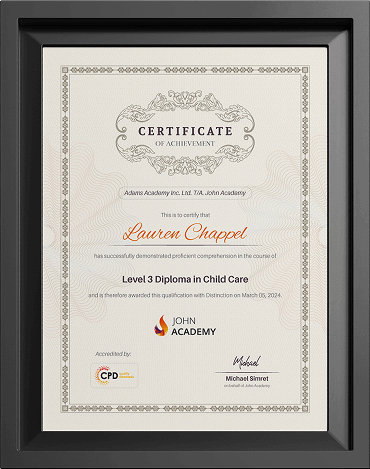
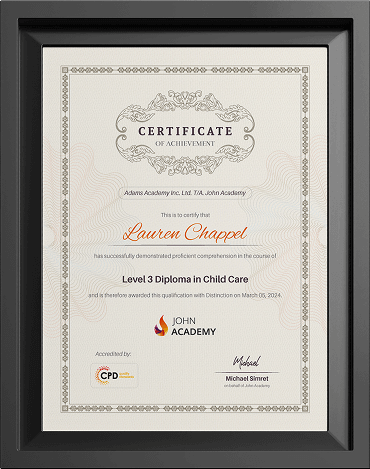
Certificate of Achievement
After completing this course successfully, you will be able to obtain an Accredited Certificate of Achievement. Certificates & Transcripts can be obtained either in Hard copy at £14.99 or in PDF format at £11.99.
Career path:
The Diploma in Elderly Care is a useful qualification to possess, and would be beneficial for the following careers:
- Ageing Services Administrators
- Caregivers
- Geriatric Care Experts
- Geriatric Case Managers
- Social Workers
-
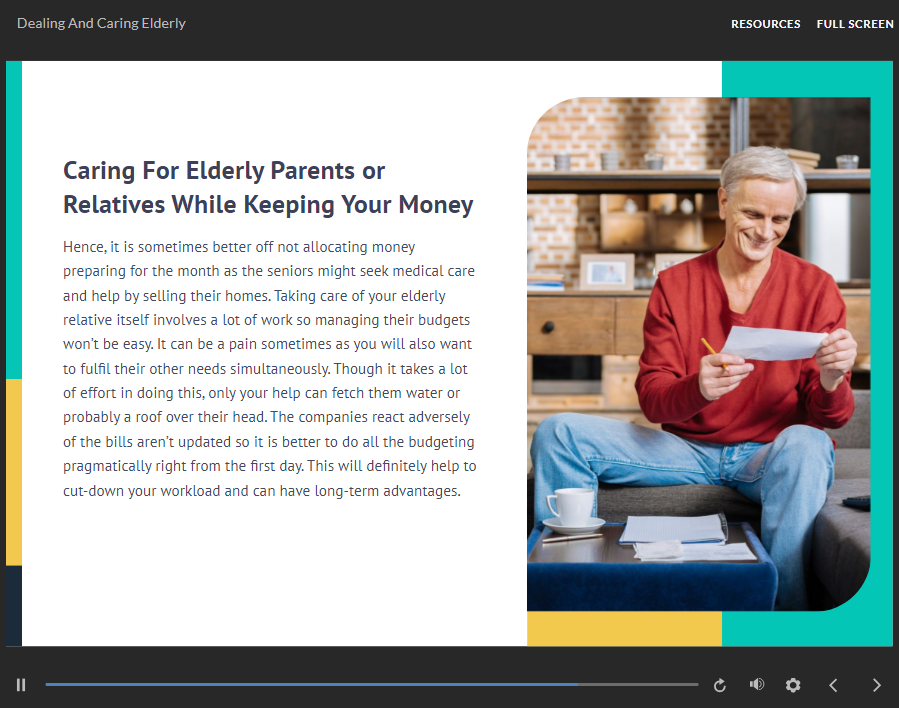
 Module 1 Dealing And Caring Elderly 00:15:00
-
Module 2 Risk Factors 00:11:00
-
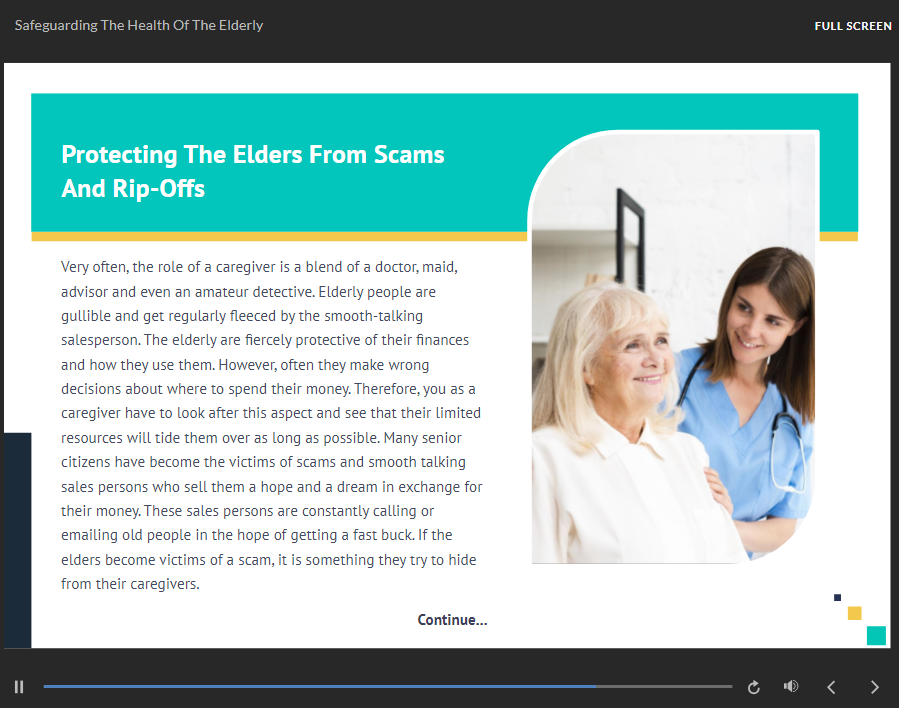
Module 3 Safeguarding The Health Of The Elderly 00:18:00
-
Module 4 Caring for Elderly Diagnosed of Dementia 00:40:00
-
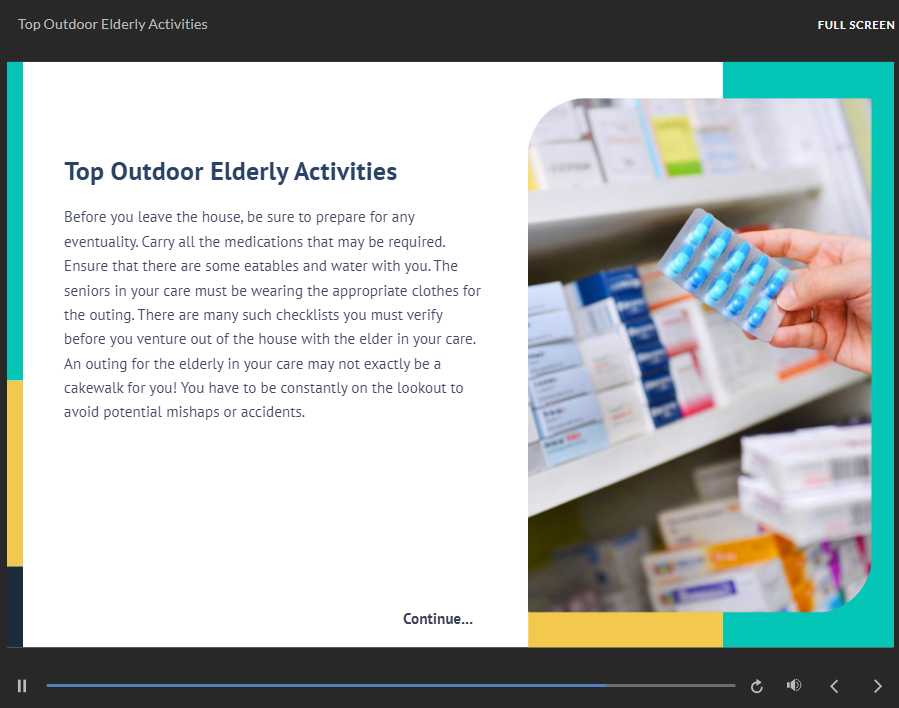
Module 5 Top Outdoor Elderly Activities 00:14:00
-
Module 6 The Basics Of Caring For The Elderly Pressure Sores 00:11:00
-
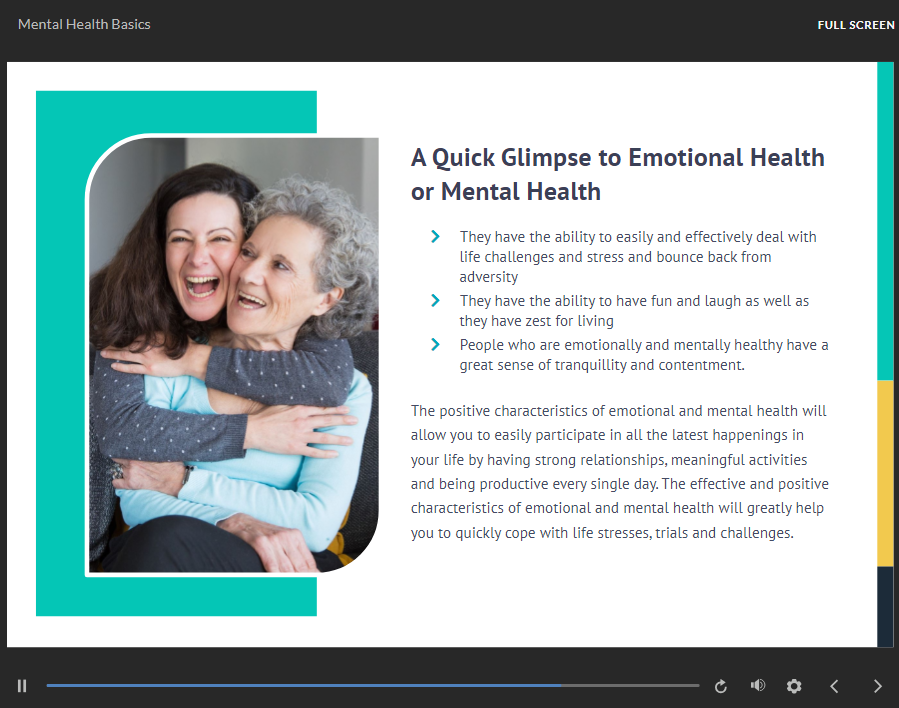
Module 7 Mental Health Basics 00:09:00
-
Module 8 Effective Caring For Your Elderly Relative Home Help 00:20:00
-
Module 9 Are you Resilient 00:14:00
-
Module 10 Caring For The Elderly- A Stressful Job 00:25:00
-
Module 11 Healthy Relationships 00:09:00
-
Module 12 Listening To Your Parents Even Now 00:21:00
-
Module 13 The Caregiver Enemy No 1 00:14:00
-
Module 14 Taking Care Of Yourself As Well As The Elderly Vacation And Respite 00:15:00
-
Introduction to Palliative & End of Life Care 00:45:00
-
Identification of the Stage of Illness 00:15:00
-
Palliative Care Holistic Assessment 00:03:00
-
Advance Care Planning 00:30:00
-
Care at the End of Life 00:05:00
-
Care after Death 00:15:00
-
Further Support, Training and Development 00:10:00
-
Legal Issues 00:30:00
-
Glossary of Terms 00:10:00
-
Appendices 00:10:00
-
Assignment – Diploma in Elderly Care 00:02:00
-
Order Your Certificates and Transcripts
-
Share your Feedback
Frequently Asked Questions
Most elderly care courses require learners to be 16 or older with a basic understanding of English, numeracy and ICT. No prior academic qualification is needed, making it ideal for beginners entering health and social care.
Caring for dementia patients involves patience, memory support, effective communication and creating a safe environment. Understanding behaviour changes, providing emotional reassurance and following personalised care plans help ensure dignity, safety and well-being for elderly individuals with dementia.
Elderly caregivers assist with daily living tasks, medication support, mobility, personal hygiene and emotional care. They also monitor health changes, follow safeguarding policies and promote independence while ensuring the safety, comfort and well-being of older adults.
Caregiver stress can be managed through regular breaks, seeking respite care, practising self-care, healthy diet, sleep and emotional support. Building resilience, setting boundaries and joining caregiver support groups help maintain mental and physical well-being.
Palliative and end-of-life care focuses on managing pain, offering emotional support and improving quality of life during the final stages of illness. It includes care planning, dignity in dying, family involvement and support after death.