Drone Photography Course: Beginner to Pro Aerial Photography Masterclass

Drone photography has transformed the way landscapes, events, architecture, and natural environments are captured. By combining aviation technology with photographic …

(447 Reviews)

stds1583 Students

logo

Get access to 3000+ courses including this for a year only at £49. GET NOW

Drone Photography Course: Beginner to Pro Aerial Photography Masterclass

Drone Photography Course: Beginner to Pro Aerial Photography Masterclass

Join thousands of learners building a successful career
14-Day Money-Back Guarantee

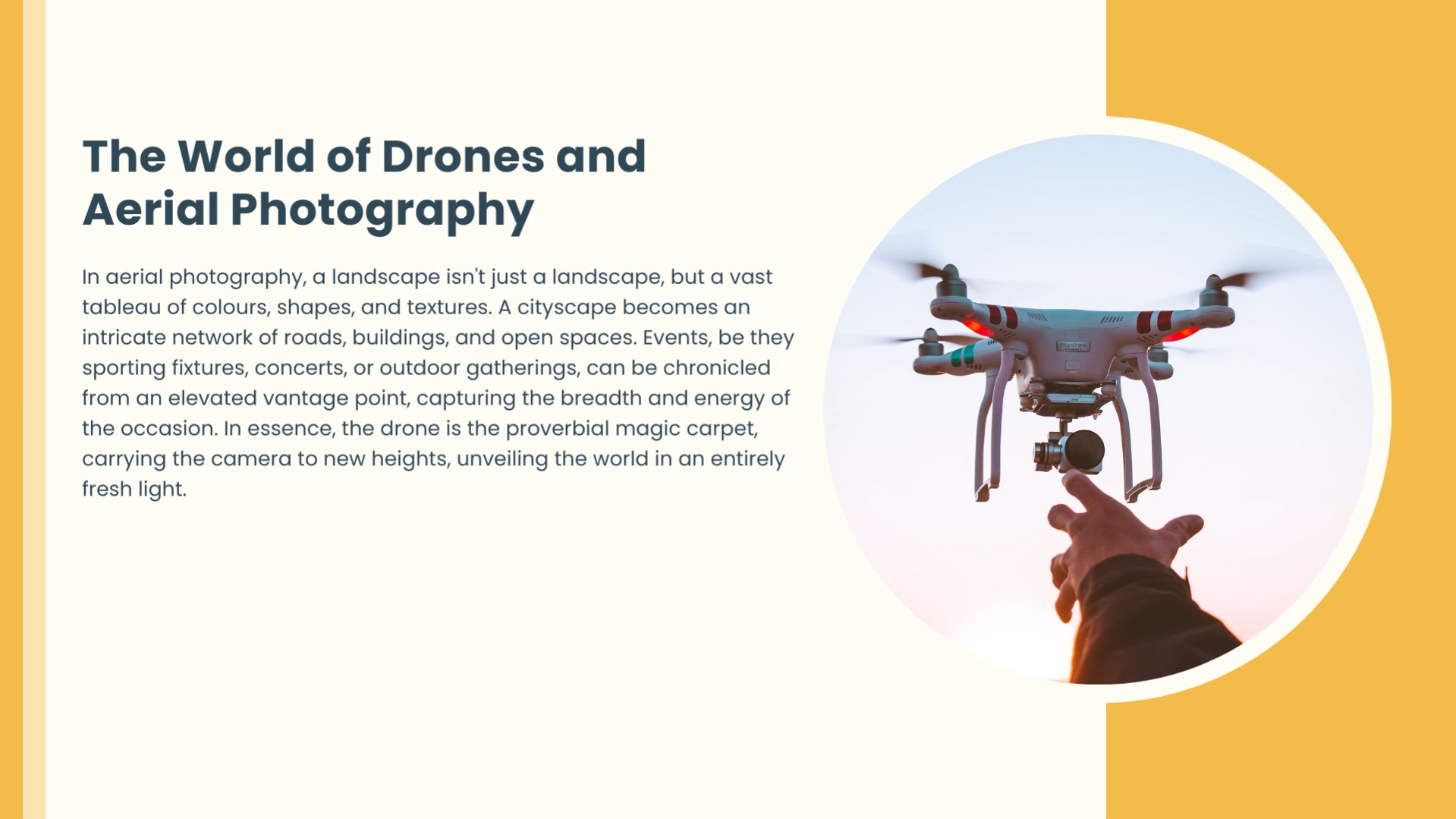
Drone photography has transformed the way landscapes, events, architecture, and natural environments are captured. By combining aviation technology with photographic techniques, drone photographers can create aerial images and videos that were once only possible using helicopters or specialised aircraft. As drones become increasingly accessible for recreational, creative, and commercial use, knowledge of drone operations, aerial imaging, safety procedures, and legal requirements has become an important skill set for photographers and content creators.

Whether you are interested in aerial landscape photography, real estate photography, travel photography, environmental documentation, or commercial drone imaging, this course provides foundational and advanced knowledge relevant to modern drone photography practices.

Course Overview

The Drone Photography Course is designed to introduce learners to the principles and techniques used in aerial photography. The course examines how drones function, how onboard camera systems operate, and how photographers can use aerial perspectives to create compelling visual content.

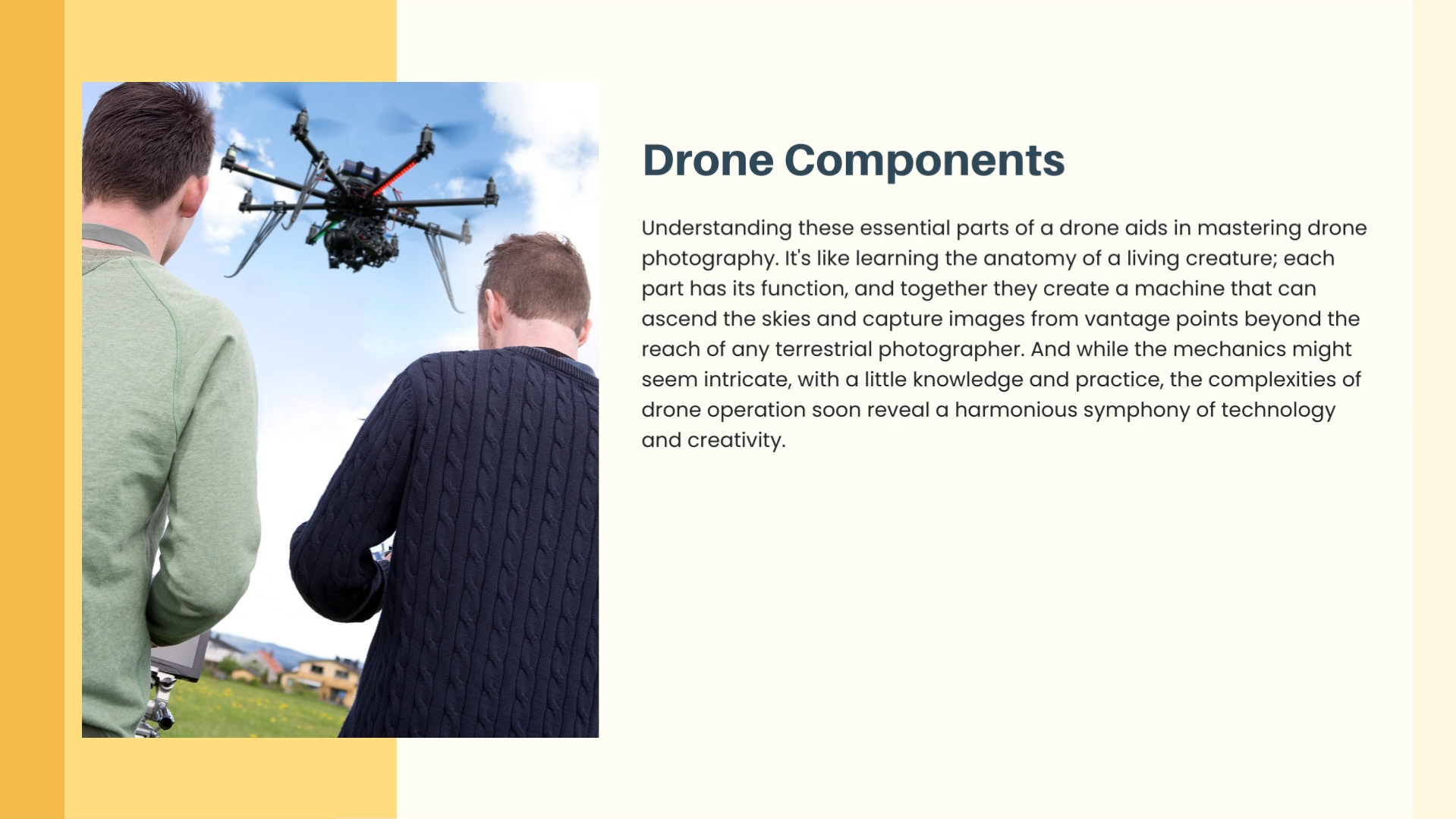
Learners will explore the essential aspects of drone operation, including pre-flight planning, risk assessment, safety procedures, equipment selection, and environmental considerations. Understanding these factors is important for producing consistent photographic results while maintaining safe drone operations.

The course also covers photography fundamentals such as composition, exposure, lighting, framing, and camera settings. These concepts are applied specifically to aerial photography, helping learners understand how traditional photographic principles can be adapted to drone-based image creation.

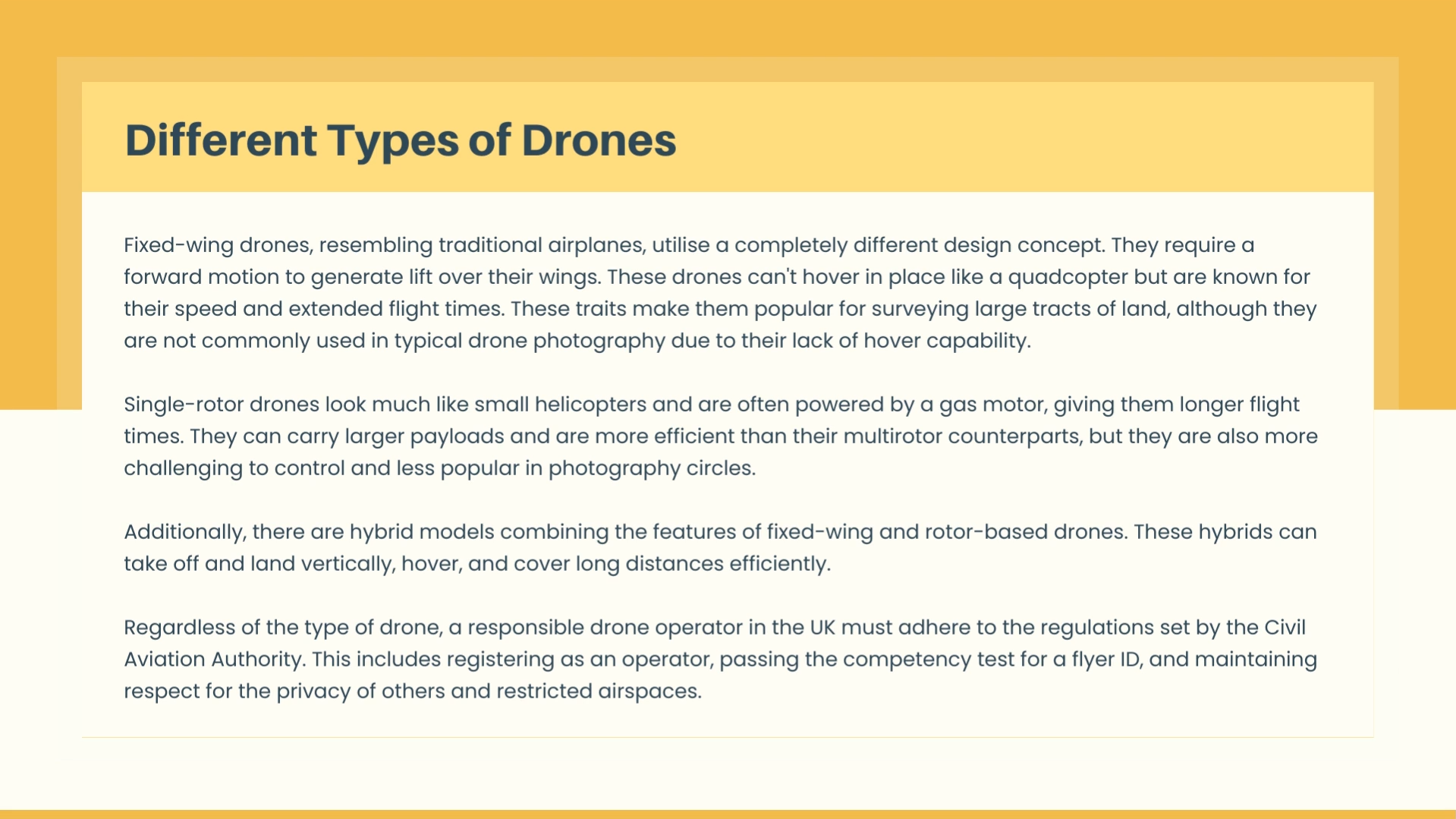
Advanced topics include aerial shooting techniques, flight path planning, creative perspectives, and night drone photography. Learners will also gain an understanding of drone regulations and operational requirements within the United Kingdom, including the responsibilities associated with flying drones in different environments.

In addition, the course explores portfolio development and image presentation, helping learners organise and showcase their aerial photography work effectively.

Course Preview

Learning Outcomes

By completing the Drone Photography Course, you will be able to:

  • Understand the principles and applications of drone photography.
  • Identify the key components and functions of drone camera systems and equipment.
  • Demonstrate knowledge of safe drone operation and flight planning procedures.
  • Apply photographic composition and exposure techniques to aerial photography.
  • Understand how lighting and environmental conditions influence aerial images.
  • Use advanced aerial photography techniques to capture different perspectives and subjects.
  • Recognise the challenges and considerations involved in night drone photography.
  • Understand UK drone regulations and legal responsibilities for drone operators.
  • Develop an organised portfolio of aerial photography work.
  • Apply best practices for producing high-quality aerial images and visual content.

Why Study Drone Photography?

Drone photography combines technical skills with creative image-making. It is used across a wide range of industries, including real estate, construction, tourism, environmental monitoring, agriculture, filmmaking, journalism, mapping, and media production.

Understanding drone photography involves more than simply flying a drone. Operators must understand flight safety, weather conditions, camera settings, composition techniques, image processing, and legal compliance. Knowledge of these areas helps ensure that aerial photography is conducted safely and effectively.

As drone technology continues to evolve, aerial imaging has become an increasingly important area of photography and visual communication. Learning the principles of drone photography can support personal projects, academic interests, and professional development within photography-related fields.

Who is this course for?

This course is suitable for:

  • Beginner drone users interested in aerial photography.
  • Photographers looking to expand their skills into drone imaging.
  • Content creators producing visual media for online platforms.
  • Real estate photographers seeking aerial photography knowledge.
  • Travel and landscape photography enthusiasts.
  • Filmmakers and videographers interested in aerial perspectives.
  • Environmental and conservation professionals documenting landscapes.
  • Individuals interested in understanding drone regulations and safe operations.

The course is designed for learners with varying levels of experience and provides an accessible introduction to drone photography concepts and techniques.

Assessment is conducted through an automated multiple-choice examination designed to evaluate learners’ understanding of the concepts covered throughout the course.

Who Should Take This Course?

This course is perfect for:

  • Beginners who want to learn drone photography
  • Content creators and vloggers
  • Travel lovers and photographers
  • Real estate marketers
  • Social media creators
  • Anyone interested in aerial photography

What Skills Will You Learn from This Course?

  • Drone handling and control
  • Aerial photography techniques
  • Camera settings and angles
  • Photo editing basics
  • Creative thinking for better shots

Are There Any Entry Requirements?

  • You must be 16 years or older
  • No previous experience in drone photography is required
  • Basic English understanding is helpful
  • Basic computer or smartphone skills will help you follow the lessons easily
  • Access to a drone is useful for practice, but not required at the start
  • A strong interest in photography or creative work will help you learn faster
  • Willingness to practise and explore outdoor environments safely

Practical Tips You Will Learn

Before flying a drone, it is important to understand that good photography is not just about flying it is about planning, safety, and patience. Small mistakes can affect both your photos and your drone. By following simple habits, you can improve your results and avoid common problems. These tips will help you stay safe, protect your equipment, and capture better aerial shots every time you fly.
 
  • Always check the weather before flying
  • Start with short and low flights
  • Keep your drone in sight at all times
  • Use natural light for better photos
  • Plan your shots before take-off
  • Practise regularly to improve

Certification

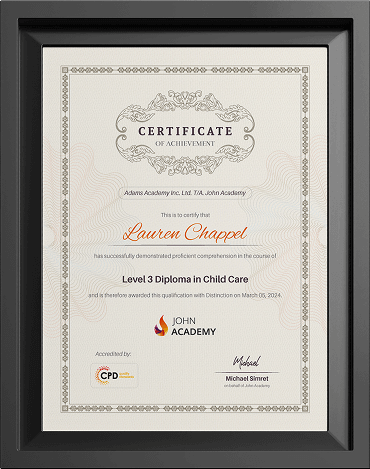
After completing the course, you will receive a Recognised Certificate of Achievement.

You can get:

  • PDF copy: £11.99
  • Printed copy: £14.99

John-Certificate-MockupJohn-Certificate-Mockup

Career Path​

Knowledge of drone photography can support a variety of photography, media, and technology-related career paths.

  • Drone Photographer – £22,000 to £45,000 annually

Capture aerial photographs for commercial, editorial, environmental, and creative projects.

  • Aerial Content Creator – £22,000 to £40,000 annually

Produce aerial images and video content for digital media platforms and businesses.

  • Real Estate Photographer – £24,000 to £45,000 annually

Use aerial photography to document residential, commercial, and development properties.

  • Drone Videographer – £25,000 to £50,000 annually

Create aerial video footage for filmmaking, marketing, tourism, and promotional projects.

  • Media Production Assistant – £22,000 to £35,000 annually

Support photography, video production, and visual communication projects using drone technology.

  • Survey and Imaging Technician – £25,000 to £45,000 annually

Assist with aerial imaging and data collection projects within construction, infrastructure, and environmental sectors.

Excellent

4.8 /5
★★★★★
verified Based on 447 reviews

Course Curriculum

  • video Module 01: Introduction to Drone Photography
    00:18:00

Frequently Asked Questions

1. What is drone photography and how does it work?

Drone photography uses unmanned aerial vehicles equipped with cameras to capture images and videos from above. It allows unique perspectives, combining flying skills, camera settings, and composition techniques to produce professional-quality aerial visuals.

2. What skills are needed for drone photography?

Drone photography requires flying control, camera handling, composition knowledge, lighting awareness, and editing skills. Understanding safety rules and equipment setup also helps capture stable, high-quality aerial photos and videos professionally.

3. What equipment is used in drone photography?

Drone photography uses drones with built-in cameras, controllers, batteries, memory cards, and sometimes ND filters. Choosing the right equipment ensures better image quality, stability, and performance in different lighting and weather conditions.

4. What are the rules for flying drones in the UK?

Drone operators must follow UK regulations, including registering drones, maintaining visual line of sight, avoiding restricted areas, and ensuring safety distances from people and property to prevent accidents and legal issues.

5. How can I build a drone photography portfolio?

Build a portfolio by capturing diverse aerial shots, practicing different techniques, editing images professionally, and showcasing your best work online. Consistency, creativity, and quality help attract clients and career opportunities.