Estate Agent Diploma CPD Accredited
 1114 Students

Save 93.15 % - Offer ENDS SOON

 Access All Courses for Only £49
 14-Day Money-Back Guarantee
-
1 Year Access
 -
Level 3 - Diploma Skill Level
 -
16 hours, 20 minutes Duration
Learning Outcomes
- Learn about different types of real estate agents
- Master the skills required for listing properties
- Enhance your understanding of the valuation process and negotiation
- Build your expertise in selling and letting property
- Explore the vital regulations associated with a real estate agent
Bonus Features Included:
- Free CPD Accredited PDF Certificate
- Free Transcript
- FREE Course: Laboratory Analyst Course
- FREE Course: Preventing Contamination in the Laboratory
Why Take This Course From John Academy?
- Affordable, well-structured and high-quality e-learning study materials
- Meticulously crafted, engaging and informative tutorial videos and materials
- Efficient exam systems for the assessment and instant result
- Earn UK & internationally recognised accredited qualification
- Easily access the course content on mobile, tablet, or desktop from anywhere, anytime
- Excellent career advancement opportunities
- Get 24/7 student support via email
What Skills Will You Learn from This Course?
- Property listing and valuation
- Negotiation
- Selling and letting properties
Who Should Take This Estate Agent Diploma CPD Accredited?
Whether you’re an existing practitioner or an aspiring professional, this course is an ideal training opportunity. It will elevate your expertise and boost your CV with key skills and a recognised qualification attesting to your knowledge.
Are There Any Entry Requirements?
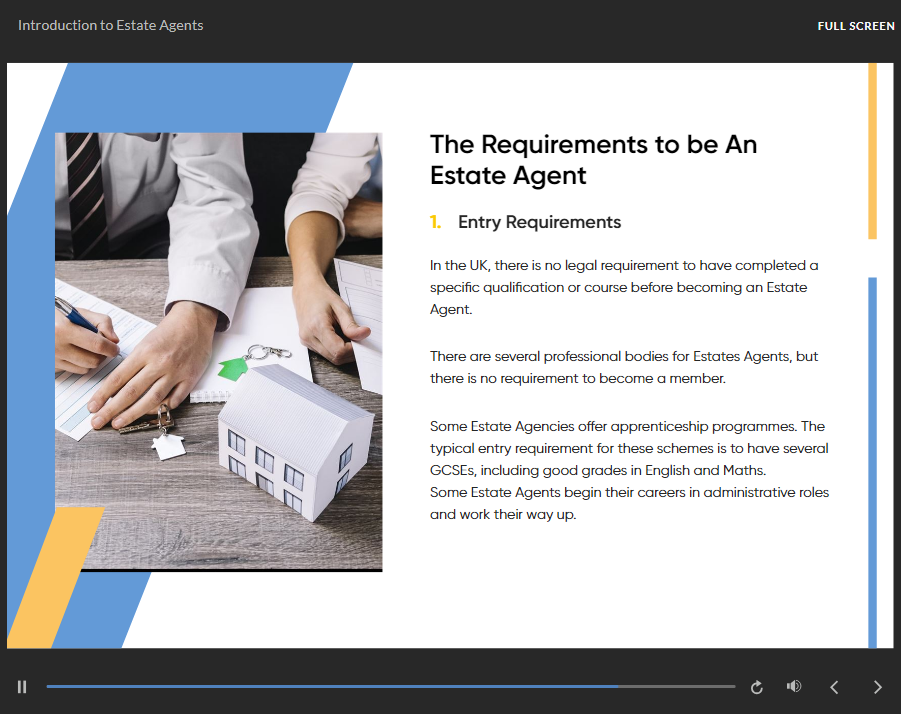
This Estate Agent Diploma CPD Accredited course is available to all learners of all academic backgrounds. But learners should be aged 16 or over to undertake the qualification. And a good understanding of the English language, numeracy, and ICT will be helpful.
Estate Agent Diploma CPD Accredited Certification
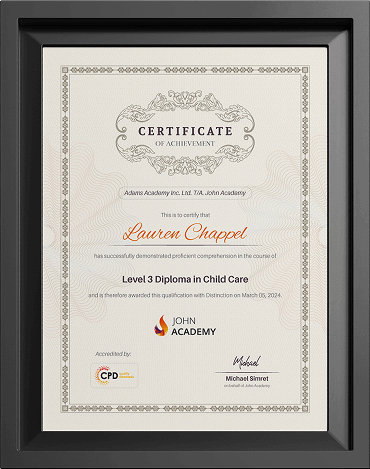
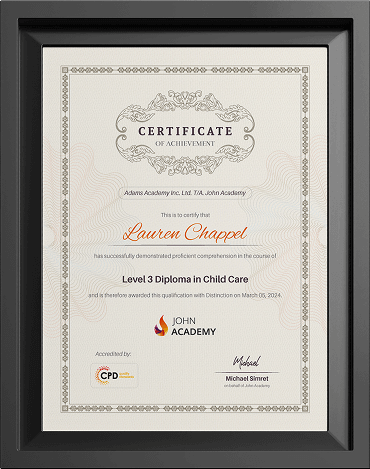
After completing and passing the Estate Agent Diploma CPD Accredited course successfully, you will be able to obtain a Recognised Certificate of Achievement. Learners can obtain the certificate in hard copy at £14.99 or PDF format at £11.99.
Career Path
This exclusive Estate Agent Diploma CPD Accredited course will equip you with effective skills and abilities and help you explore career paths such as
- Real Estate Agent
- Property Manager
- Estate Agent
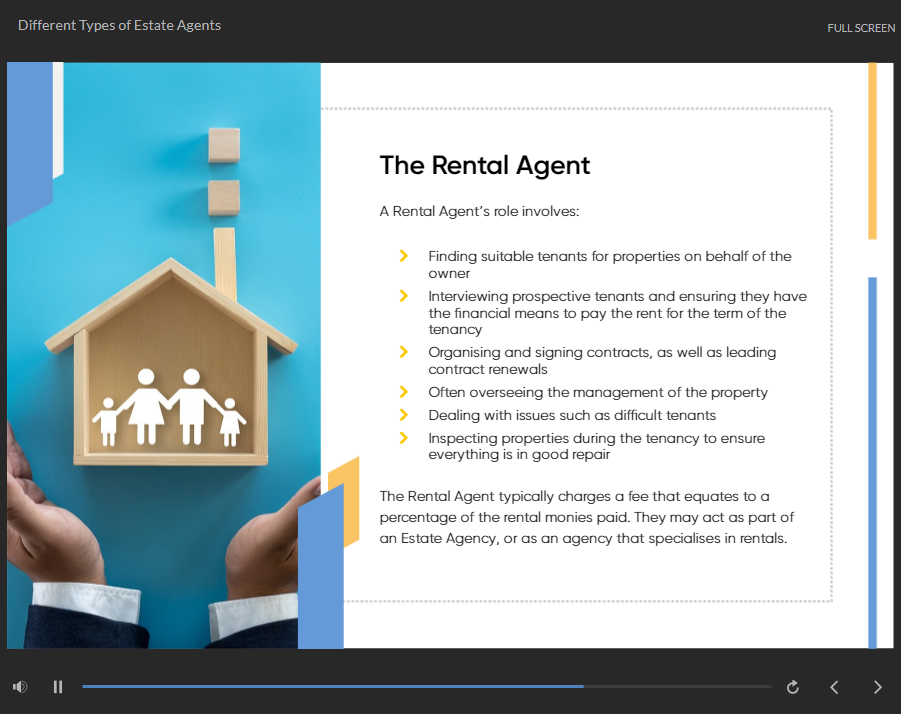
- Lettings Agent
- Real Estate Broker
-
 Introduction to the Course – Estate Agent 00:03:00
 -
Module 01 – Estate Agent: An Introduction 00:24:00
-
Module 02 – Different Types of Estate Agents 00:18:00
-
Module 03 – Getting Started on the Job 00:19:00
-
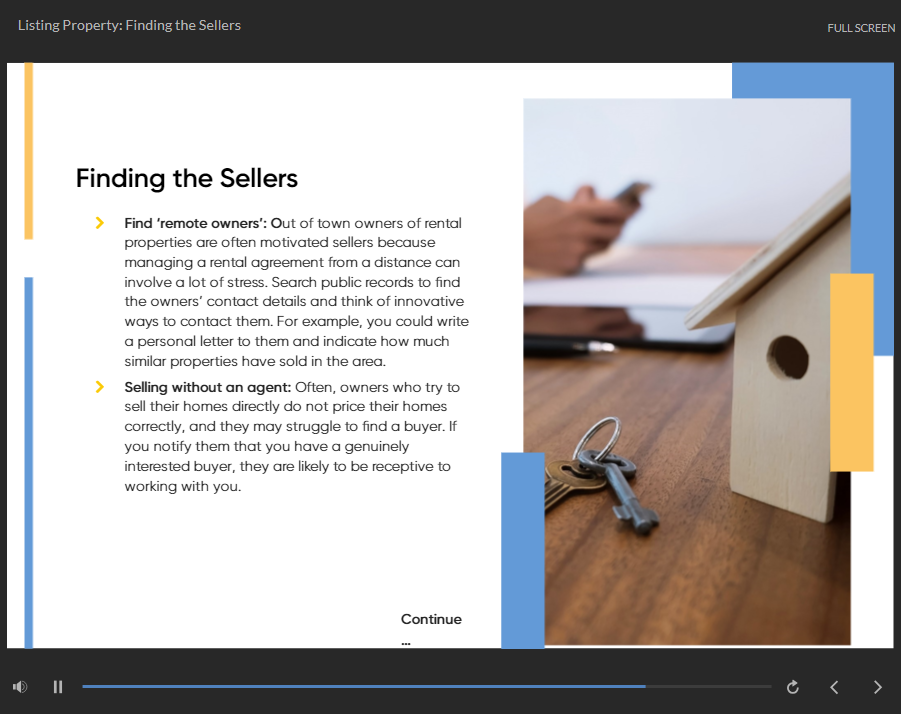
Module 04 – Listing Property: Finding the Sellers 00:27:00
-
Module 05 – Valuation Process 00:24:00
-
Module 06 – Negotiating as Estate Agent 00:15:00
-
Module 07 – Selling Property: Finding the Buyers 00:26:00
-
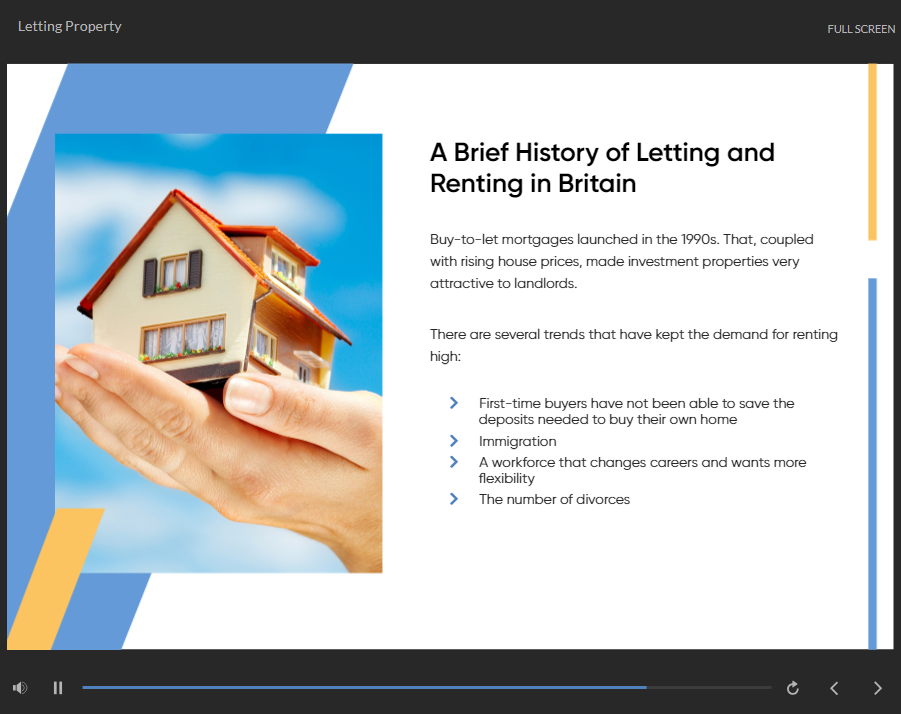
Module 08 – Letting Property 00:34:00
-
Module 09 – Technology for Estate Agents 00:24:00
-
Module 10 – Regulation of Estate Agents 00:16:00
-
Final Recap to the Course
-
Assignment – Estate Agent Diploma CPD Accredited
-
What is an Estate Agent? 00:15:00
-
Real Estate 00:15:00
-
The Different Types of Agents 00:15:00
-
What a Real Estate Agent Does 00:15:00
-
Pros and Cons of Hiring an Estate Agent 00:15:00
-
Knowing Your Clients 00:30:00
-
Day in the life of Estate Agent 00:30:00
-
Property Valuation 00:30:00
-
Handling Viewings 00:15:00
-
Property Negotiation 00:30:00
-
Property Management 00:30:00
-
Real Estate Laws 00:30:00
-
Selecting The Best Properties 00:30:00
-
Leasing Instead Of Selling 00:30:00
-
Buyers Interest 00:15:00
-
Be Zone Conscious 01:00:00
-
Home Loans 00:15:00
-
Knowing When You’re Ready To Buy 00:15:00
-
Is Your Lake Home For Sale? 01:00:00
-
Living The Waterfront Lifestyle Every Day 00:15:00
-
How To Locate Waterfront Property Rentals 00:15:00
-
Real Estate Front 00:15:00
-
An Introduction to the UK legal system 00:15:00
-
Different Types of Investment Structures 00:15:00
-
Commercial Leases 00:15:00
-
Title & Registration 00:15:00
-
Finance in Real Estate 00:15:00
-
Investment Purchase Procedure 00:15:00
-
Acquisition Costs 00:15:00
-
Land Usage 00:15:00
-
Planning & Environment 00:15:00
-
Investment Structure & Key Legislations 00:15:00
-
Recommended Reading : Estate Agent Diploma
-
Refer A Friend
-
Order Your Certificates and Transcripts
-
Share your Feedback
Frequently Asked Questions
A real‑estate agent manages property transactions: they list homes, value them, negotiate deals, handle legal regulations and guide clients through selling, buying or letting. They act as intermediary between sellers or landlords and buyers or tenants.
Listing involves marketing the property—photos, description, target audience—while valuing requires analysing market comparables, condition, location and demand. A good agent provides accurate figures, helps set competitive price and ensures the property appeals to the right buyers or tenants.
Successful negotiation means understanding client objectives, buyer/tenant motivations, market trends and timing. Use rapport‑building, offer alternatives, clarify options, remain flexible but firm. Aim for a win‑win outcome where clients feel represented and a deal completes efficiently.
Agents must comply with licensing laws, consumer protection, anti‑money‑laundering rules, fair trading, data protection and rental/sales regulations. Knowing local laws ensures ethical practice, avoids penalties and builds client trust — so regulation is a critical module for professionals.
Technology tools—CRM systems, digital listings, virtual tours, mobile accessibility, analytics—help agents streamline operations, reach wider audiences, track leads, present properties remotely and stay competitive. Embracing tech boosts efficiency, professionalism and client satisfaction in a fast‑moving industry.