Infection Control and Prevention

Infection control and prevention is a fundamental aspect of healthcare, helping to reduce the spread of infectious diseases and protect …

(693 Reviews)

stds1496 Students

logo

Get access to 3000+ courses including this for a year only at £49. GET NOW

Infection Control

Infection Control and Prevention

Join thousands of learners building a successful career
14-Day Money-Back Guarantee

Infection control and prevention is a fundamental aspect of healthcare, helping to reduce the spread of infectious diseases and protect patients, healthcare professionals, and the wider community. Effective infection prevention practices are essential in hospitals, care homes, dental clinics, laboratories, schools, and other healthcare settings where maintaining a safe environment is a priority. By following established infection control procedures, organisations can minimise healthcare-associated infections, improve patient outcomes, and comply with national health and safety standards.

Whether you are beginning a career in healthcare, social care, childcare, or another professional environment where infection risks exist, this course offers the knowledge required to understand infection prevention procedures and promote safe practice.

Course Overview

The Infection Control and Prevention course introduces learners to the scientific principles and practical measures used to minimise the spread of infections in healthcare and community settings. The course explores how microorganisms cause disease, how the body’s natural defence mechanisms respond to infection, and the importance of implementing effective infection prevention strategies.

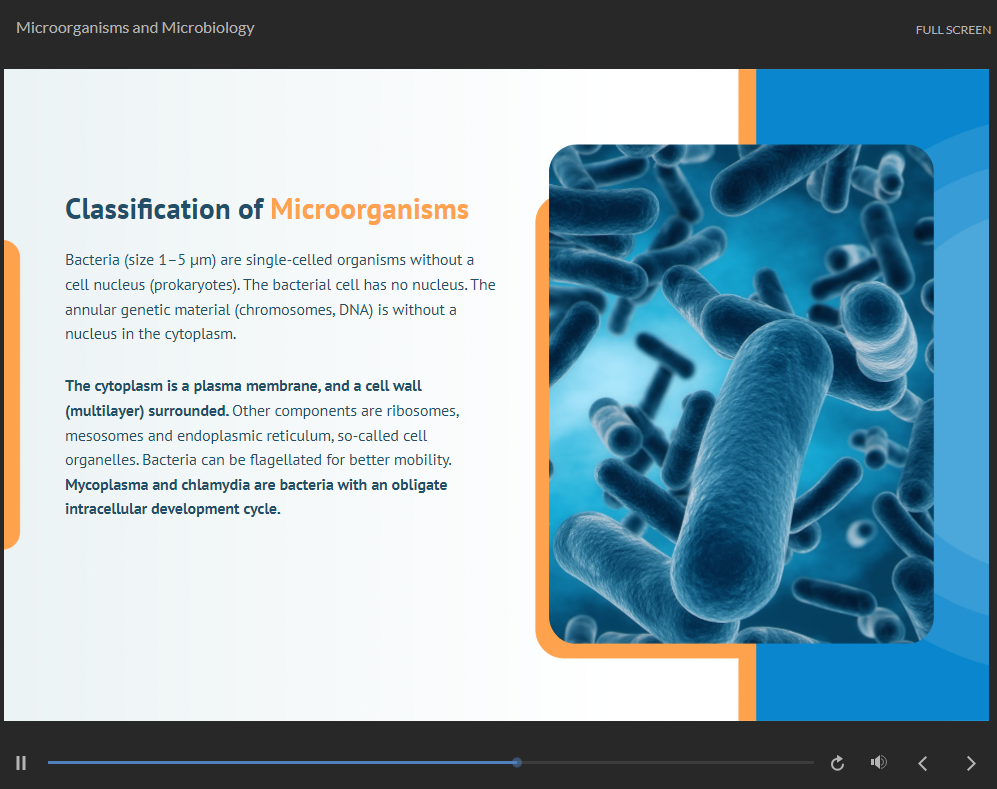
Learners will develop an understanding of different types of microorganisms, including bacteria, viruses, fungi, and parasites, and examine the ways these organisms are transmitted between individuals and environments. The course also explains the risks associated with bloodborne pathogens and the importance of following standard infection control precautions when handling potentially infectious materials.

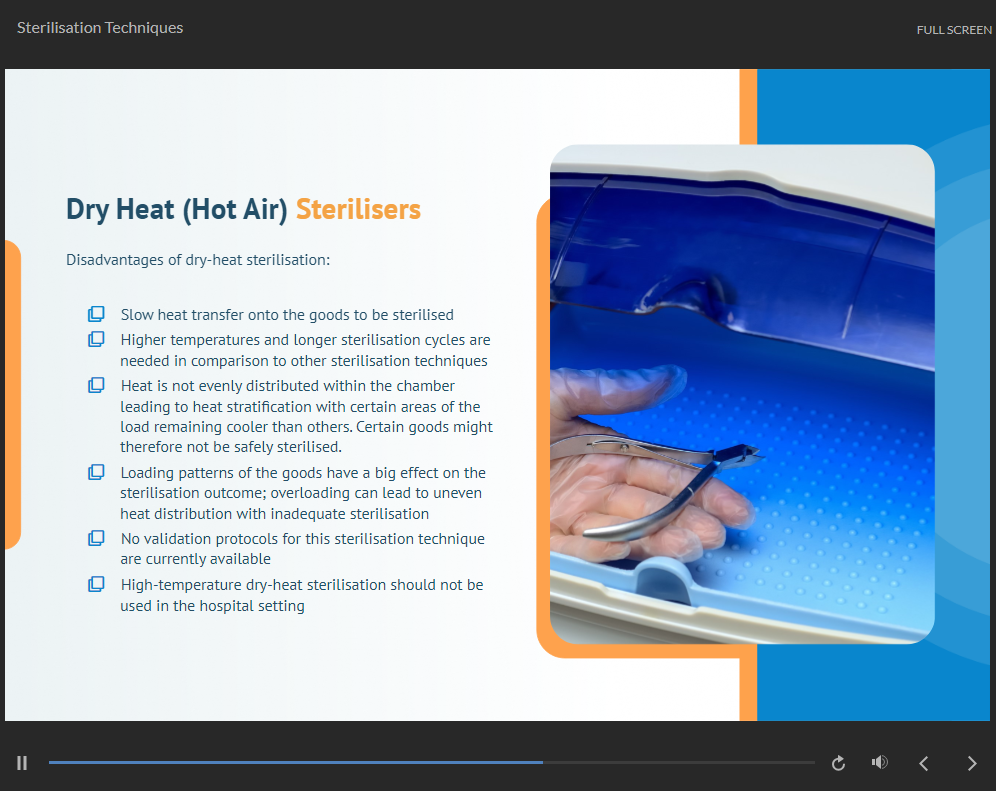
In addition, the course covers essential procedures for cleaning, decontamination, disinfection, sterilisation, and maintaining personal hygiene. These practices are critical for reducing contamination, protecting vulnerable individuals, and maintaining safe healthcare environments.

Course Preview

Learning Outcomes

By completing the Infection Control and Prevention course, you will be able to:

  • Understand the principles of infection control and prevention in healthcare and community settings.
  • Explain how infections develop and how infectious microorganisms are transmitted.
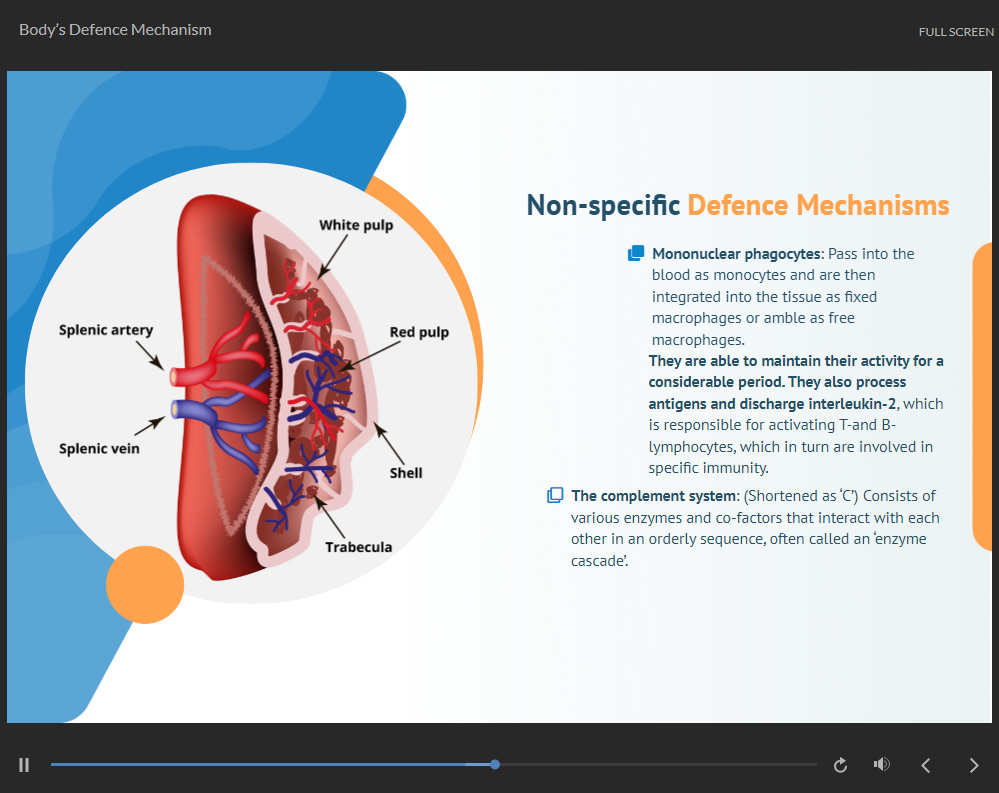
  • Understand the body’s natural defence mechanisms against infection.
  • Identify different types of microorganisms and their role in infectious diseases.
  • Recognise the risks associated with bloodborne pathogens and safe handling procedures.
  • Understand standard infection prevention measures used in healthcare environments.
  • Explain the principles of decontamination, cleaning, disinfection, and sterilisation.
  • Recognise the importance of personal hygiene and environmental hygiene in preventing infection.
  • Understand workplace responsibilities for maintaining infection prevention standards.
  • Apply infection control knowledge to support safe and effective professional practice.

Why Enrol in This Course?

Maintaining effective infection control measures is a key responsibility across healthcare, social care, childcare, education, and many other professional sectors. Organisations require staff who understand infection prevention procedures, hygiene standards, and safe working practices to reduce health risks and maintain compliance with workplace policies.

This course provides a structured introduction to infection prevention principles and helps learners develop knowledge that is relevant across a wide range of healthcare and care-related roles.

By enrolling on this course, you will benefit from:

  • A CPD QS Accredited Certificate upon successful completion.
  • Flexible online learning that fits around your personal and professional commitments.
  • A comprehensive introduction to infection control principles and hygiene practices.
  • Knowledge relevant to healthcare, care services, education, laboratories, and other professional environments.
  • Self-paced study with lifetime access to course materials.
  • Learning suitable for both beginners and professionals seeking continuing professional development.

Who is this course for?

This course is suitable for individuals who wish to understand infection control and prevention and its application in professional practice. It is particularly relevant for:

  • Healthcare assistants and support workers.
  • Nurses and nursing students.
  • Care workers and social care professionals.
  • Dental practice staff.
  • Laboratory assistants and technicians.
  • Childcare and early years professionals.
  • Medical administrators and healthcare support staff.
  • Cleaning and environmental hygiene personnel.
  • Individuals preparing for healthcare-related careers.
  • Anyone interested in developing knowledge of infection prevention and workplace hygiene.

Prerequisites

There are no formal entry requirements for this course. It is designed to be accessible to learners from all educational and professional backgrounds.

However, the following may be helpful:

  • Basic understanding of English
  • Interest in healthcare, hygiene, or workplace safety
  • Motivation to develop professional knowledge and practical skills

This makes the course suitable for beginners as well as experienced professionals seeking continuing professional development.

Certification

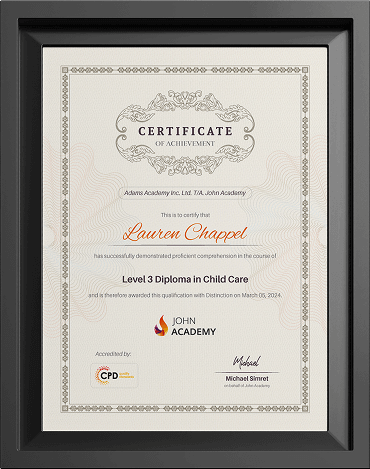
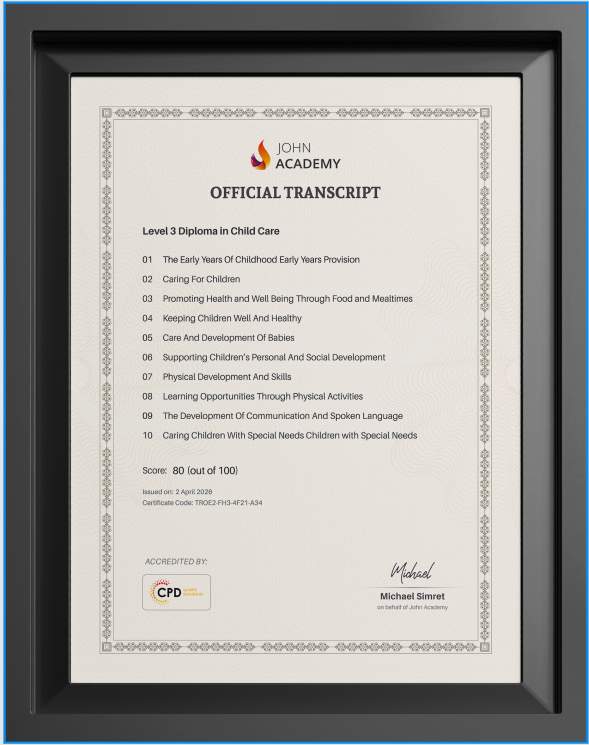
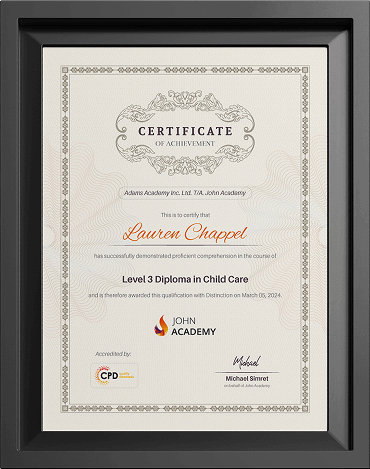
After successfully completing this course, you will receive an Accredited Certificate of Achievement endorsed by CPD, UKRLP, AoHT, and Incensu. Certificates and transcripts are available in:

  • PDF format for £11.99
  • Hard copy for £14.99

John-Certificate-MockupJohn-Certificate-Mockup

Career Path​

Knowledge of infection control and prevention is valuable across a wide range of healthcare and care-related professions. Completing this course can support professional development in roles such as:

  • Healthcare Assistant – £20,000 to £30,000 annually

Support patient care while following infection prevention procedures and hygiene protocols.

  • Care Support Worker – £21,000 to £31,000 annually

Provide safe care by applying infection prevention measures in residential and community settings.

  • Medical Laboratory Assistant – £22,000 to £34,000 annually

Handle specimens safely while maintaining laboratory hygiene and contamination control procedures.

  • Dental Nurse – £24,000 to £36,000 annually

Assist dental professionals while implementing infection control standards and sterilisation procedures.

  • Healthcare Administrator – £20,000 to £30,000 annually

Support healthcare services by maintaining compliance with infection prevention policies and documentation.

Infection Control and Prevention

Excellent
Based on
693 Reviews
Charlotte Evans GB

I recently completed the Infection Control and Prevention course and found it extremely informative. The content was clear, practical, and very relevant to real healthcare settings. It has improved my understanding of hygiene standards and safety procedures. I would definitely recommend it.

Course Curriculum

  • video Introduction to Infection
    00:33:00

Frequently Asked Questions

1. What is infection control and why is it important?

Infection control refers to policies and practices used to prevent the spread of infectious diseases. It is essential in healthcare and workplaces to protect patients, staff, and the public by reducing contamination, transmission, and outbreak risks effectively.

2. How do infections spread in healthcare settings?

Infections spread through direct contact, airborne droplets, contaminated surfaces, bloodborne pathogens, and improper hygiene practices. Understanding transmission routes helps implement effective infection prevention strategies and reduces healthcare-associated infections significantly.

3. What are bloodborne pathogens and risks?

Bloodborne pathogens are harmful microorganisms found in blood that can cause diseases such as HIV and hepatitis. Exposure occurs through needlesticks, cuts, or contact with infected blood, requiring strict safety and protective measures.

4. How does sterilisation prevent infection?

Sterilisation eliminates all microorganisms from medical instruments and surfaces using heat, chemicals, or radiation. It is a critical step in infection control to ensure equipment is safe for reuse and prevents cross-contamination.

5. What hygiene practices prevent infection spread?

Key hygiene practices include regular handwashing, use of personal protective equipment, proper waste disposal, surface cleaning, and respiratory hygiene. These measures reduce infection transmission and maintain a safe environment in healthcare and community settings.