Level 2 Certificate in Emergency Management

Emergency Management are essential for ensuring safety, preparedness, and effective response in today’s complex and fast-changing world. Organisations across all …

(481 Reviews)

stds1354 Students

logo

Get access to 3000+ courses including this for a year only at £49. GET NOW

Level 2 Certificate in Emergency Management

Level 2 Certificate in Emergency Management

Join thousands of learners building a successful career

14-Day Money-Back Guarantee

Emergency Management are essential for ensuring safety, preparedness, and effective response in today’s complex and fast-changing world. Organisations across all sectors require trained professionals who can assess risks, respond to crises, and manage emergency situations efficiently. The Level 2 Certificate in Emergency Management is designed to equip learners with practical knowledge and operational skills needed to handle emergencies in workplaces, public venues, and organisational environments.

Whether you are working in security, facilities management, healthcare, hospitality, or public services, this course provides a structured learning pathway to develop confidence and competence in emergency response. It focuses on real-world scenarios, decision-making under pressure, and coordinated response strategies essential for effective Emergency Management.

Course Overview

The Level 2 Certificate in Emergency Management provides a practical understanding of how emergencies are planned for, managed, and responded to in a safe and organised way. Throughout the course, learners explore how different types of emergencies can occur, how risks are assessed, and the importance of having clear emergency procedures in place. It covers key topics such as emergency planning, communication, evacuation procedures, and teamwork during incidents, while also highlighting the role of leadership and emergency control organisations in coordinating effective responses. The course further examines how people behave in high-pressure situations, including the needs of vulnerable individuals and the challenges of managing crowds. 

By combining essential theory with real-world emergency response principles, learners gain the confidence and knowledge needed to support safe decision-making during emergency situations.

Course Preview

Learning Outcomes

By completing this Level 2 Certificate in Emergency Management, learners will be able to:

  • Understand the core principles and importance of Emergency Management in different environments
  • Identify potential emergencies and assess associated risks in workplaces and public venues
  • Understand emergency planning, hazard identification, and risk analysis processes
  • Recognise different types of emergencies including fire incidents, security threats, and crowd-related situations
  • Apply effective communication and coordination strategies during emergency situations
  • Understand the structure and responsibilities of emergency control organisations (ECO)
  • Demonstrate knowledge of evacuation procedures and emergency response protocols
  • Understand human behaviour during crises, including responses from children and vulnerable individuals
  • Apply leadership and situational awareness skills in high-pressure emergency scenarios
  • Participate in emergency drills, exercises, and decision-making simulations effectively

Why Enrol in This Course?

The importance of Emergency Management continues to grow as organisations face increasing risks from security threats, natural hazards, and operational emergencies. Enrolling in this Level 2 Certificate provides learners with essential skills to respond effectively and ensure safety in critical situations.

Key benefits include:

  • Gain practical knowledge of emergency preparedness and response systems
  • Learn how to identify risks and implement emergency plans
  • Develop leadership and communication skills under pressure
  • Understand structured response procedures for different emergency types
  • Improve decision-making abilities in crisis situations
  • Enhance awareness of crowd control and public safety management
  • Flexible online learning suitable for beginners and professionals
  • No prior emergency management experience required

This course is ideal for anyone looking to build confidence and competence in emergency response roles.

Who is this course for?

This Level 2 Certificate in Emergency Management is suitable for a wide range of learners, including:

  • Security personnel and safety officers
  • Facility management and operational staff
  • Healthcare and hospital support workers
  • Hospitality and event management professionals
  • Public service and local authority employees
  • Workplace supervisors and team leaders
  • Individuals interested in emergency preparedness and safety roles

Whether you are entering the field or looking to strengthen your existing skills, this course provides valuable insights into practical emergency response.

Prerequisites

There are no formal entry requirements for this course. It is designed to be accessible to learners from all backgrounds.

However, the following may be helpful:

  • Basic understanding of English communication
  • Interest in safety, security, or emergency response
  • Willingness to learn structured procedures and protocols
  • Motivation to develop practical crisis management skills

This makes the course suitable for both beginners and working professionals.

Assessment Method

To successfully complete the Level 2 Certificate in Emergency Management, learners will undertake an automated multiple-choice assessment.

This assessment evaluates understanding of key emergency management principles, including risk assessment, evacuation procedures, communication systems, and response coordination strategies.

Supporting learning materials and scenario-based activities are included to help reinforce practical understanding and real-world application of emergency response procedures.

Certification

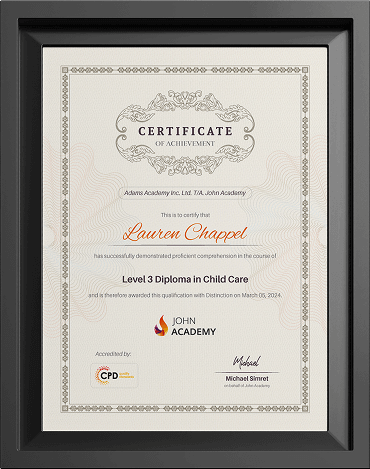
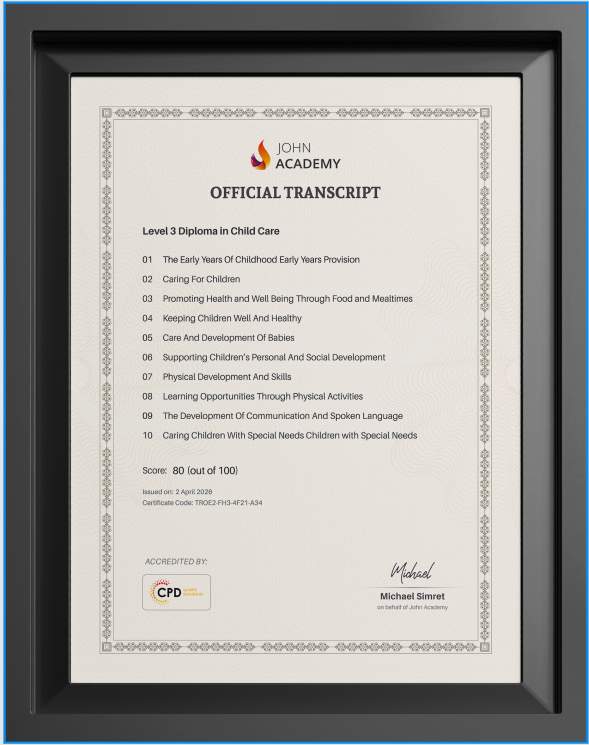
Upon successful completion of the course, learners will receive a recognised certificate and transcript confirming their knowledge and skills in Emergency Management.

This certification demonstrates your ability to understand emergency response systems and apply structured procedures in crisis situations.

You will receive:

  • A digital certificate for instant access
  • A printed certificate for professional use

This qualification enhances your professional credibility and supports career development in safety, security, and emergency response fields.

John-Certificate-MockupJohn-Certificate-Mockup

Career Path​

Completing this course opens the door to multiple career opportunities in safety, security, and emergency response sectors. Skilled professionals in Emergency Management are in high demand across public and private organisations.

Potential career roles include:

  • Emergency Response Assistant – £22,000 to £30,000 annually

Support emergency operations and assist in incident response procedures

  • Security Officer – £20,000 to £28,000 annually

Monitor safety, manage access control, and respond to incidents

  • Health and Safety Assistant – £25,000 to £40,000 annually

Assist in implementing workplace safety and risk management systems

  • Emergency Planning Coordinator – £30,000 to £50,000 annually

Develop and manage emergency preparedness plans

  • Facilities Safety Manager – £35,000 to £60,000+ annually

Oversee safety systems, emergency procedures, and compliance standards

Course Curriculum

  • video Welcome
    00:03:00
  • video Meet your trainers
    00:04:00
  • video Is this course for you
    00:04:00
  • video Workbook

Frequently Asked Questions

1. What is emergency management and why important?

Emergency management involves planning, coordinating, and responding to disasters such as fires, bomb threats, terrorism, or crowd incidents. It ensures safety, minimizes damage, and provides structured procedures for effective evacuation and crisis control in emergencies.

2. What are common types of venue emergencies?

Common emergencies include fires, bomb threats, active shooter situations, crowd-related incidents, lift failures, and medical emergencies. Proper planning and risk analysis help organizations prepare responses and protect people in high-risk environments.

3. What is an emergency evacuation procedure?

An evacuation procedure outlines steps for safely moving people away from danger. It includes alerts, communication systems, exit routes, crowd control, assistance for vulnerable individuals, and coordination with emergency services for safe evacuation.

4. What is the role of emergency control organization?

The Emergency Control Organisation (ECO) manages incident response, coordinates communication, directs evacuation, and ensures safety procedures are followed. It plays a key role in maintaining order and controlling emergencies effectively within a venue.

5. How do wardens respond during emergencies?

Wardens remain calm, provide leadership, guide evacuations, and communicate clearly with occupants. They assess risks, assist vulnerable individuals, follow emergency plans, and ensure safe and orderly response during crisis situations.