Medical Coding Certification
 1549 Students

Save 92.86 % - Offer ENDS SOON

 Access All Courses for Only £49
 14-Day Money-Back Guarantee
-
1 Year Access
 -
Level 2 - Certificate Skill Level
 -
14 hours, 55 minutes Duration


Career Path
Medical Coding Certification Course provides useful skills to possess, and would be beneficial for the following professionals:
- Clinical coder
- Medical administrator
-
 Module 01: Anatomy and Physiology 01:00:00
 -
Module 02: The Chemical Level of Organisation 00:20:00
-
Module 03: Cell 00:50:00
-
Module 04: Tissues and Membranes 00:35:00
-
Module 05: Skeletal System 01:00:00
-
Module 06: Muscular System 00:30:00
-
Module 07: Cardiovascular System 00:35:00
-
Module 08: Digestive System 00:15:00
-
Module 09: The Endocrine System 00:50:00
-
Module 10: The Nervous System 01:00:00
-
Module 11: The Respiratory System 00:30:00
-
Module 12: The Immune System 00:40:00
-
Module 13: The Urinary System 00:20:00
-
Module 14 The Reproductive System 01:30:00
-
Module 15: The Integumentary System 00:35:00
-
Module 16:The Senses 00:50:00
-
Module 17: Medical Terminology 00:35:00
-
Module 18: Medical Coding: CPT 00:35:00
-
Module 19: ICD 10 Codes 00:30:00
-
Module 20: Medical Office Administration 00:30:00
-
Module 21: Medical Billing and Insurance Claims Process 00:20:00
-
Module 22: Medical Office Technology 00:15:00
-
Module 23: Ten Common Billing and Coding Mistakes and Avoiding Them 00:10:00
-
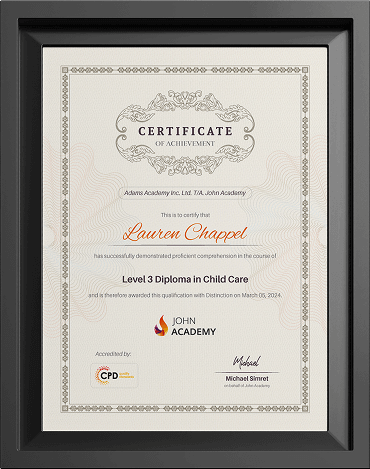
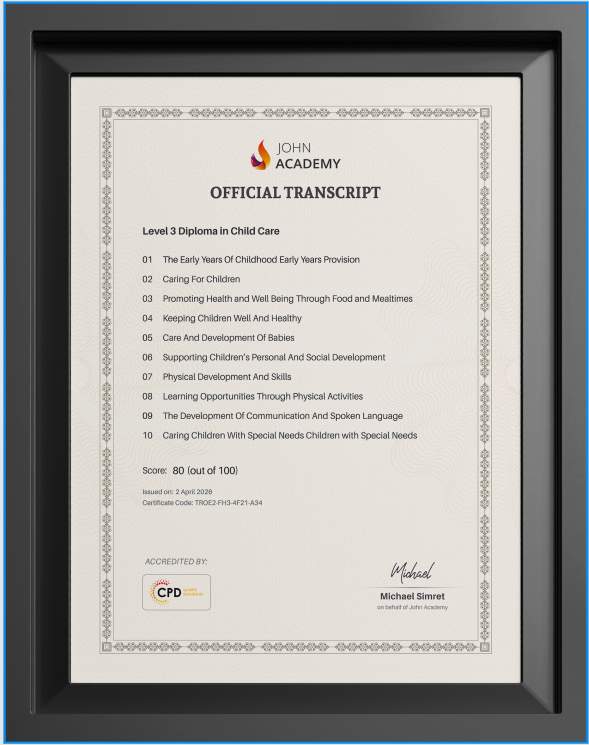
Order Your Certificates and Transcripts
-
Share your Feedback
Frequently Asked Questions
Medical coding translates healthcare services into standardized codes like ICD-10 and CPT, ensuring accurate billing, insurance claims processing, and compliance, which is essential for healthcare revenue and patient record management.
Becoming a certified medical coder involves completing accredited training, mastering CPT, ICD-10, and HCPCS codes, passing certification exams, and gaining practical experience in medical billing and healthcare documentation.
CPT codes document medical procedures, while ICD-10 codes classify diagnoses. Together, they ensure accurate patient records, streamline billing, and facilitate insurance claims within healthcare organizations.
Key skills include anatomy knowledge, medical terminology, coding accuracy, attention to detail, familiarity with billing software, and understanding healthcare regulations for proper claims processing.
Medical coding courses typically range from 3 to 12 months, depending on program intensity, covering anatomy, physiology, CPT/ICD coding, billing processes, and exam preparation for certification.