Medieval Literature Essentials

The study of medieval literature offers a fascinating insight into the cultural, historical, and intellectual foundations of the modern world. …

(381 Reviews)
★ ★ ★ ★ ★
★ ★ ★ ★ ★

stds1176 Students

logo

Get access to 3000+ courses including this for a year only at £49. GET NOW

Medieval Literature Essentials

Medieval Literature Essentials

Join thousands of learners building a successful career

14-Day Money-Back Guarantee

The study of medieval literature offers a fascinating insight into the cultural, historical, and intellectual foundations of the modern world. Through epic poetry, romances, religious writings, and early narratives, medieval authors explored themes of heroism, morality, love, faith, and social change that continue to influence literature today. The Medieval Literature Essentials course is designed to provide learners with a comprehensive understanding of key texts, writers, and literary traditions from the medieval period.

Whether you are a literature enthusiast, a student of English studies, or someone interested in the history of storytelling, this course offers a structured and engaging learning experience. It develops critical reading, analytical thinking, and historical understanding while exploring some of the most influential works in medieval literary history.

Course Overview

The Medieval Literature Essentials course offers an engaging some of the most important texts, themes, and literary traditions of the Middle Ages. It explores how medieval literature emerged and evolved, while highlighting its lasting influence on modern storytelling, language, and culture. Throughout the course, learners examine the social, religious, and political forces that shaped medieval writing, gaining a deeper understanding of heroic narratives, courtly romances, and early ideas about identity and society. By studying influential works from different regions and traditions, participants discover how medieval authors explored timeless themes such as love, honour, courage, faith, morality, and personal growth. 

The course also places these texts within their historical context, helping learners appreciate their significance and enduring impact on later literature. Whether for academic study or personal interest, this course provides a solid foundation in medieval literature while strengthening critical thinking, analytical, and communication skills.

Course Preview

Learning Outcomes

By completing this Medieval Literature Essentials course, you will be able to:

  • Understand the historical and cultural context of medieval literature
  • Identify the major characteristics of medieval literary traditions
  • Analyse key themes such as heroism, faith, morality, and courtly love
  • Evaluate the significance of epic poetry and medieval romances
  • Understand the contributions of influential medieval authors and poets
  • Explore the role of women in medieval literary culture
  • Interpret literary texts using critical and analytical approaches
  • Examine how medieval narratives influenced later literary movements
  • Develop skills in literary analysis, research, and interpretation
  • Apply knowledge of medieval literature to academic, professional, or personal interests

Why Enrol in This Course?

Interest in medieval literature continues to grow among students, educators, researchers, and literature enthusiasts. Understanding the foundations of literary history provides valuable insight into modern storytelling, language development, and cultural traditions.

Key benefits of enrolling include:

  • Gain a comprehensive understanding of Medieval Literature Essentials
  • Explore influential literary works and their historical significance
  • Develop critical reading and analytical thinking skills
  • Understand the cultural and social foundations of medieval storytelling
  • Enhance academic knowledge of literary history and criticism
  • Improve research, interpretation, and communication abilities
  • Study at your own pace through flexible online learning
  • Suitable for both beginners and experienced learners

This course is ideal for anyone interested in exploring the origins of literary traditions and gaining a deeper appreciation of medieval culture and literature.

Who is this course for?

This Medieval Literature Essentials course is suitable for a wide range of learners, including:

  • Students studying English literature, history, or humanities
  • Literature enthusiasts interested in medieval texts and culture
  • Teachers and educators seeking additional literary knowledge
  • Writers looking to explore historical storytelling traditions
  • Researchers interested in medieval studies
  • University applicants preparing for literature-related programmes
  • Lifelong learners interested in cultural and literary history

Whether you are new to the subject or looking to expand your existing knowledge, this course provides valuable insights into the medieval literary world.

Prerequisites

There are no formal entry requirements for this course. It is designed to be accessible to learners from all educational and professional backgrounds.

However, the following may be beneficial:

  • Basic understanding of the English language and reading comprehension
  • Interest in literature, history, or cultural studies
  • Enthusiasm for learning about historical texts and storytelling traditions

This course is suitable for beginners as well as learners seeking to deepen their understanding of medieval literary studies.

Certification

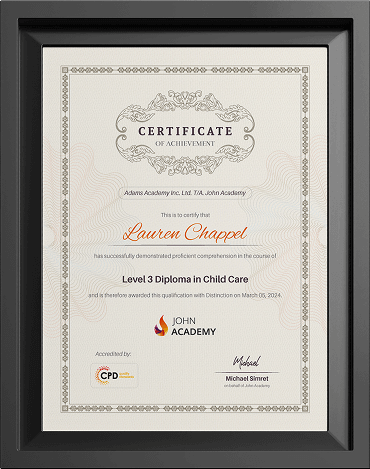
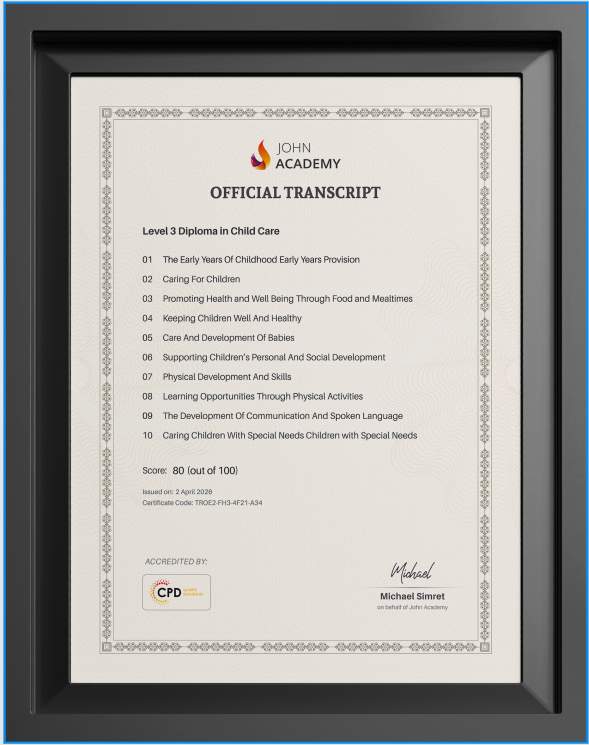
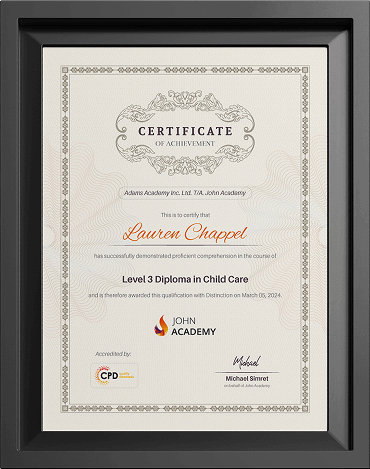
Upon successful completion of the course, you will receive a certificate and transcript recognising your achievement in the study of medieval literature.

This certification demonstrates your understanding of key literary concepts, historical contexts, and analytical approaches associated with Medieval Literature Essentials.

You will receive:

  • A digital certificate for immediate access
  • A printed certificate for professional or academic use

The qualification can strengthen your academic portfolio, support further study, and demonstrate your commitment to literary and cultural education.

John-Certificate-MockupJohn-Certificate-Mockup

Career Path​

Completing this course can support progression into a variety of academic, educational, and cultural fields. While the course primarily develops literary knowledge and analytical skills, these competencies are highly valued across many professions.

Potential career paths include:

  • Literary Researcher – £25,000 to £45,000 annually

Conduct research into historical texts, literary traditions, and cultural history.

  • English Language or Literature Teacher – £28,000 to £50,000 annually

Teach literary studies, critical analysis, and historical literature in educational settings.

  • Content Writer or Editor – £24,000 to £45,000 annually

Apply strong analytical and writing skills to publishing, media, and content creation.

  • Museum or Heritage Professional – £22,000 to £40,000 annually

Support cultural preservation, education, and public engagement with historical materials.

  • Academic or Humanities Research Assistant – £25,000 to £42,000 annually

Assist with literary, historical, and interdisciplinary research projects.

  • Author or Creative Writer – Variable Earnings

Draw inspiration from medieval themes, storytelling structures, and literary traditions for creative projects.

Course Curriculum

  • video Introduction to Mediaeval Literature
    00:13:00

Frequently Asked Questions

1. What is medieval literature?

Medieval literature refers to literary works produced during the Middle Ages, featuring themes of heroism, religion, chivalry, and courtly love. It includes influential texts that shaped the development of European and world literature.

2. Why is Beowulf important in literature?

Beowulf is one of the oldest surviving works in English literature. It explores heroism, loyalty, and bravery while providing valuable insights into Anglo-Saxon culture, making it a cornerstone of medieval literary studies.

3. Who was Geoffrey Chaucer?

Geoffrey Chaucer was a renowned medieval poet best known for The Canterbury Tales. His works helped shape English literature by combining vivid storytelling, social commentary, and memorable characters from diverse backgrounds.

4. What are the themes of Norse sagas?

Norse sagas explore themes such as honor, fate, family loyalty, revenge, and exploration. These narratives provide fascinating insights into Viking society, cultural values, and the storytelling traditions of medieval Scandinavia.

5. Why study Dante’s Divine Comedy?

Dante’s Divine Comedy is a masterpiece of medieval literature that examines morality, faith, and the human journey. Its influence on literature, philosophy, and culture makes it an essential work for literary study.