Microsoft Excel 2016 Beginner to Advanced Level Course

Strong spreadsheet and data management skills are essential in today’s digital workplace. From finance and administration to marketing, project management, …

(476 Reviews)

stds1254 Students

logo

Get access to 3000+ courses including this for a year only at £49. GET NOW

Microsoft Excel 2016 Beginner to Advanced Level

Microsoft Excel 2016 Beginner to Advanced Level Course

Join thousands of learners building a successful career

14-Day Money-Back Guarantee

Strong spreadsheet and data management skills are essential in today’s digital workplace. From finance and administration to marketing, project management, and business operations, Microsoft Excel remains one of the most widely used software applications across industries worldwide. The Microsoft Excel 2016 Beginner to Advanced Level Course is designed to help learners develop comprehensive Excel skills, progressing from fundamental spreadsheet tasks to advanced data analysis and automation techniques.

Whether you are a beginner looking to learn the basics of Microsoft Excel or a professional seeking to improve productivity and data management capabilities, this course provides a structured learning experience. It focuses on practical skills that can be applied in real-world workplace environments, enabling learners to work confidently with spreadsheets, formulas, charts, reports, and business data.

Course Overview

The Microsoft Excel 2016 Beginner to Advanced Level Course is designed to help learners develop practical Excel skills, whether they are complete beginners or looking to enhance their existing knowledge. Throughout the course, participants learn how to organise and manage data, use formulas and functions, create charts and reports, and apply advanced tools for data analysis and decision-making. It also covers key features such as workbook management, data visualisation, automation, forecasting, and data protection, giving learners the confidence to handle real-world tasks in professional environments. 

As Excel remains one of the most widely used business applications worldwide, the skills gained from this course can support career growth, improve workplace productivity, and enable more effective data management across a variety of industries.

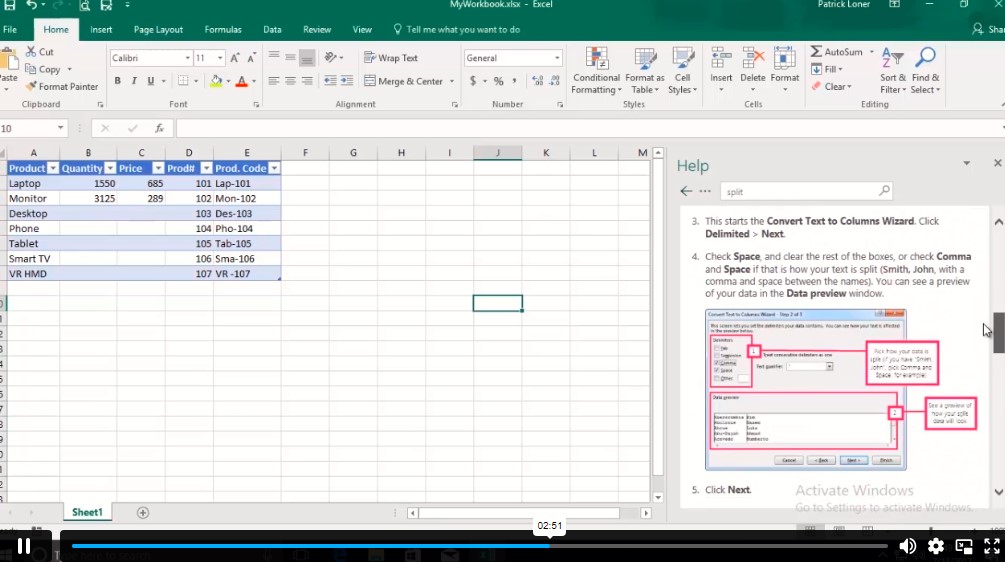
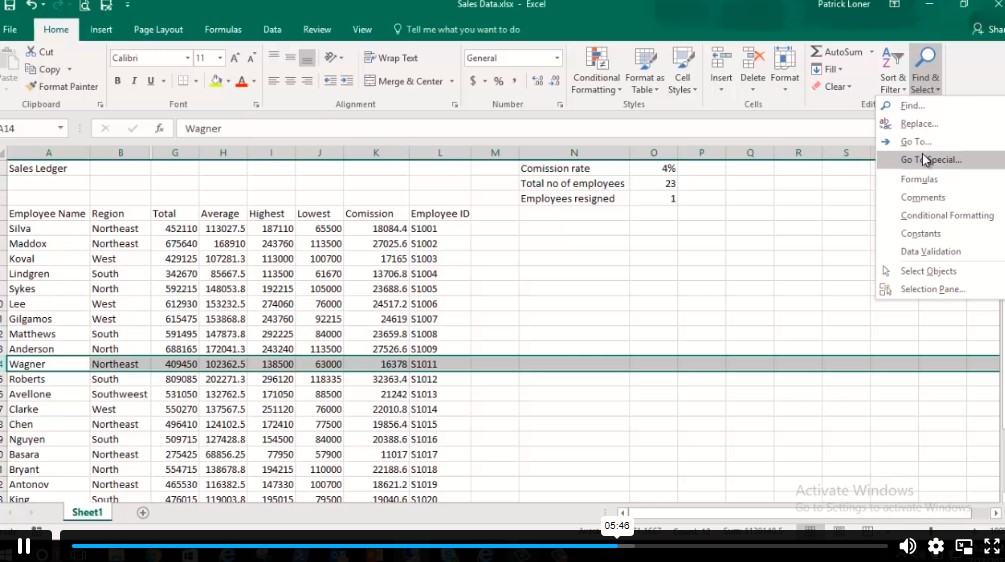
Course Preview

Learning Outcomes

By completing this Microsoft Excel 2016 Beginner to Advanced Level Course, you will be able to:

  • Understand the core features and functions of Microsoft Excel 2016
  • Create, organise, and manage professional spreadsheets efficiently
  • Perform calculations using formulas and advanced Excel functions
  • Format worksheets and workbooks to improve readability and presentation
  • Analyse business and operational data using Excel tools
  • Create professional charts and visual reports for data presentation
  • Use PivotTables and PivotCharts to summarise and interpret large datasets
  • Apply lookup functions and formula-auditing techniques to improve accuracy
  • Automate repetitive tasks and improve workflow efficiency using Excel features
  • Forecast trends and generate data-driven insights for business decision-making

Why Enrol in This Course?

Microsoft Excel continues to be one of the most valuable workplace skills across nearly every industry. Employers actively seek candidates who can organise data, generate reports, analyse information, and support business decisions using Excel.

Key benefits of enrolling in this course include:

  • Gain beginner-to-advanced proficiency in Microsoft Excel
  • Learn practical spreadsheet skills applicable to any industry
  • Improve data analysis and reporting capabilities
  • Enhance workplace productivity and efficiency
  • Develop valuable business and administrative skills
  • Learn how to create professional dashboards and visual reports
  • Increase employability and career advancement opportunities
  • Flexible online learning accessible anytime and anywhere
  • Suitable for both beginners and experienced professionals
  • Build confidence using one of the world’s most widely used business applications

This course is ideal for anyone looking to strengthen their technical skills and become more effective in handling business data and reports.

Who is this course for?

This Microsoft Excel 2016 Beginner to Advanced Level Course is suitable for a wide range of learners, including:

  • Beginners with little or no experience using Microsoft Excel
  • Administrative and office professionals
  • Business owners and entrepreneurs
  • Accountants and finance professionals
  • Project managers and team leaders
  • Marketing and sales professionals
  • Students and graduates preparing for employment
  • Data analysts and business intelligence professionals
  • Individuals seeking career progression opportunities
  • Anyone looking to improve their spreadsheet and data management skills

Whether you are learning Excel for the first time or aiming to enhance existing knowledge, this course provides practical skills that can be applied immediately in professional environments.

Prerequisites

There are no formal entry requirements for this course. It has been designed to accommodate learners of all experience levels.

However, the following may be helpful:

  • Basic computer literacy
  • Familiarity with using a Windows-based computer
  • Basic understanding of business or office processes
  • Motivation to develop professional spreadsheet skills

This course is suitable for complete beginners as well as professionals seeking to upgrade their Microsoft Excel expertise.

Certification

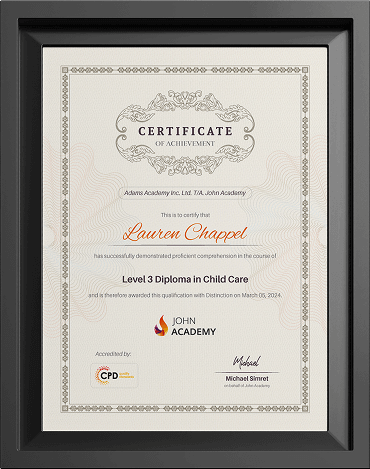
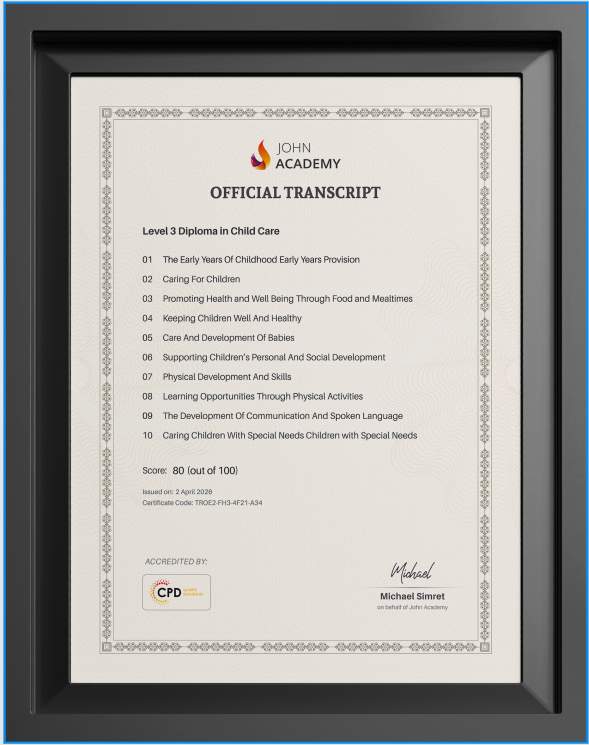
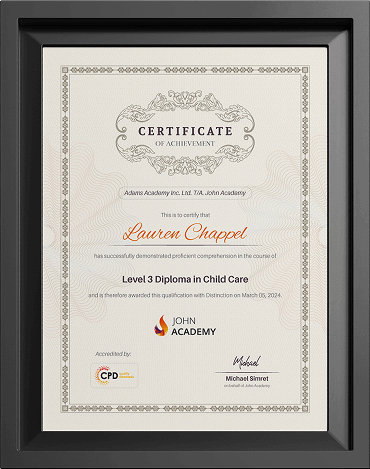
After successfully completing this course, you will receive an Accredited Certificate of Achievement endorsed by CPD, UKRLP, AoHT, and Incensu. Certificates and transcripts are available in:

  • PDF format for £11.99
  • Hard copy for £14.99

John-Certificate-MockupJohn-Certificate-Mockup

Career Path​

Proficiency in Microsoft Excel is a highly transferable skill valued by employers in virtually every sector. Completing this course can support career development across administration, finance, business operations, data management, and analytical roles.

Potential career opportunities include:

  • Administrative Assistant – £22,000 to £35,000 annually

Manage spreadsheets, reports, records, and office documentation efficiently.

  • Data Analyst – £30,000 to £60,000 annually

Use Microsoft Excel to analyse business data, identify trends, and support strategic decisions.

  • Accounts Assistant – £24,000 to £40,000 annually

Prepare financial records, budgets, and reports using advanced Excel functions.

  • Business Analyst – £35,000 to £65,000 annually

Interpret organisational data and provide insights to improve performance and operations.

  • Operations Coordinator – £28,000 to £50,000 annually

Monitor workflows, generate reports, and support operational planning through data analysis.

  • Project Administrator – £25,000 to £45,000 annually

Track project progress, manage resources, and maintain reporting systems using Excel.

  • Office Manager – £30,000 to £55,000 annually

Oversee administrative processes, reporting systems, and business documentation.

Course Curriculum

  • video Navigate the Excel User Interface
    00:28:00
  • video Use Excel Commands
    00:10:00
  • video Create and Save a Basic Workbook
    00:19:00
  • video Enter Cell Data
    00:12:00
  • video Use Excel Help
    00:05:00

Frequently Asked Questions

1. What can I learn in an Excel course?

An Excel course teaches spreadsheet fundamentals, formulas, functions, data analysis, chart creation, PivotTables, workbook management, and automation techniques. These skills help improve productivity, reporting accuracy, and decision-making in professional and personal projects.

2. How do Excel formulas and functions work?

Excel formulas perform calculations using cell references, while functions provide built-in tools for tasks like summing values, analyzing data, and searching information. Mastering them improves efficiency, accuracy, and problem-solving capabilities in spreadsheets.

3. What are PivotTables used for in Excel?

PivotTables help summarize, organize, and analyze large datasets quickly. They allow users to identify trends, compare information, generate reports, and gain valuable insights without manually sorting or calculating extensive amounts of data.

4. How can Excel help with data analysis?

Excel offers tools such as sorting, filtering, formulas, charts, PivotTables, and forecasting features. These tools help users analyze data efficiently, uncover patterns, make informed decisions, and present information in a clear format.

5. How do I automate tasks in Excel?

Excel automation uses features like formulas, functions, templates, and workbook tools to reduce repetitive tasks. Automation improves productivity, minimizes errors, saves time, and enables users to manage complex spreadsheets more effectively.