Online Electrician Course Level 3
Electrical skills are essential across construction, property maintenance, engineering, and building services. As homes, commercial buildings, and industrial environments become …
 1157 Students


Save 94.84 % - Offer ENDS SOON

 Access All Courses for Only £49
 14-Day Money-Back Guarantee
-
1 Year Access
 -
Intermediate Skill Level
 -
4 hours, 20 minutes Duration
Online Electrician Course Level 3
Join thousands of learners building a successful career


Course Curriculum
-
 Ch – 00 Intro Basic Electricity 00:07:00
 -
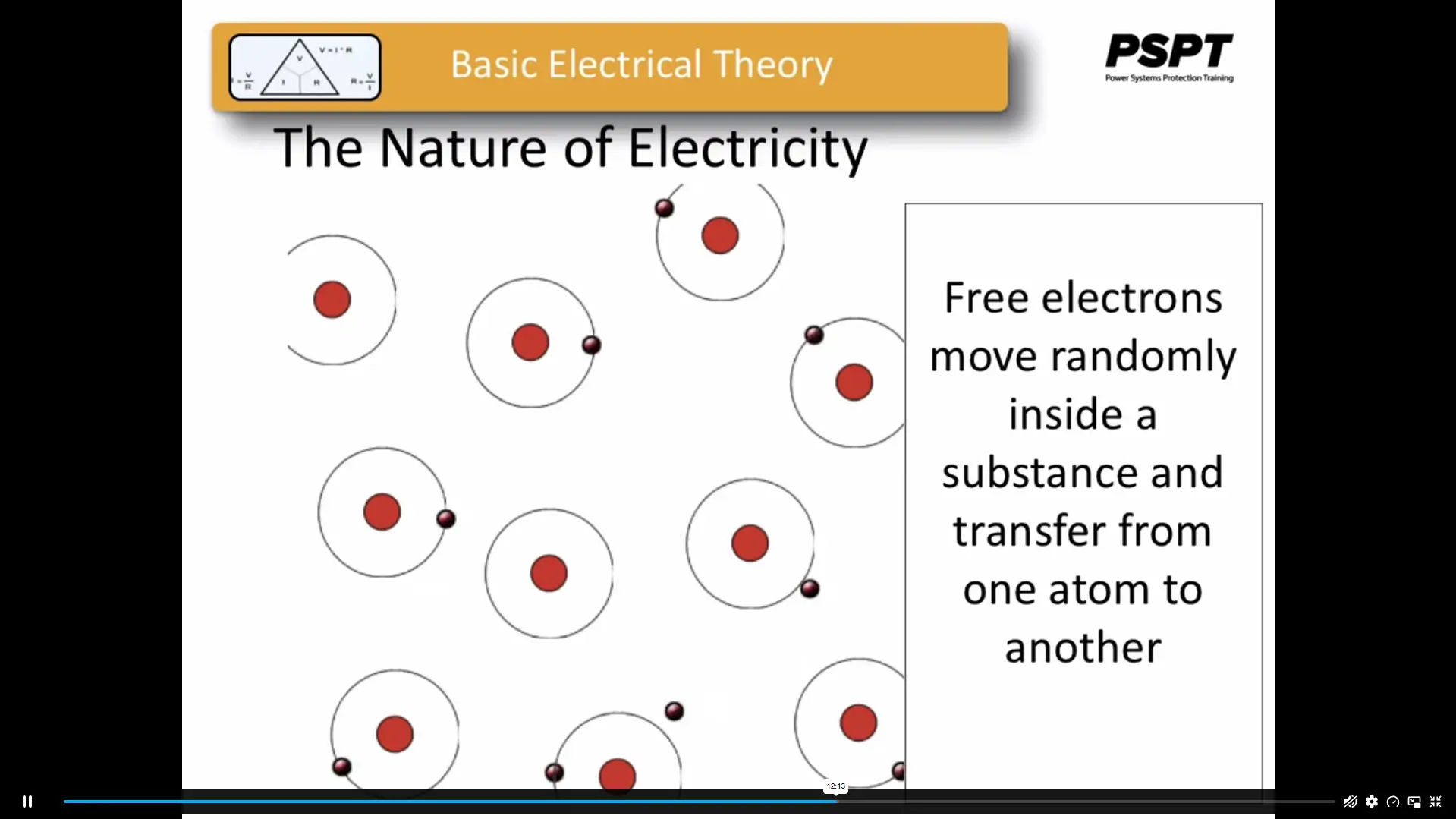
Ch – 01 The Nature of Electricity 00:20:00
-
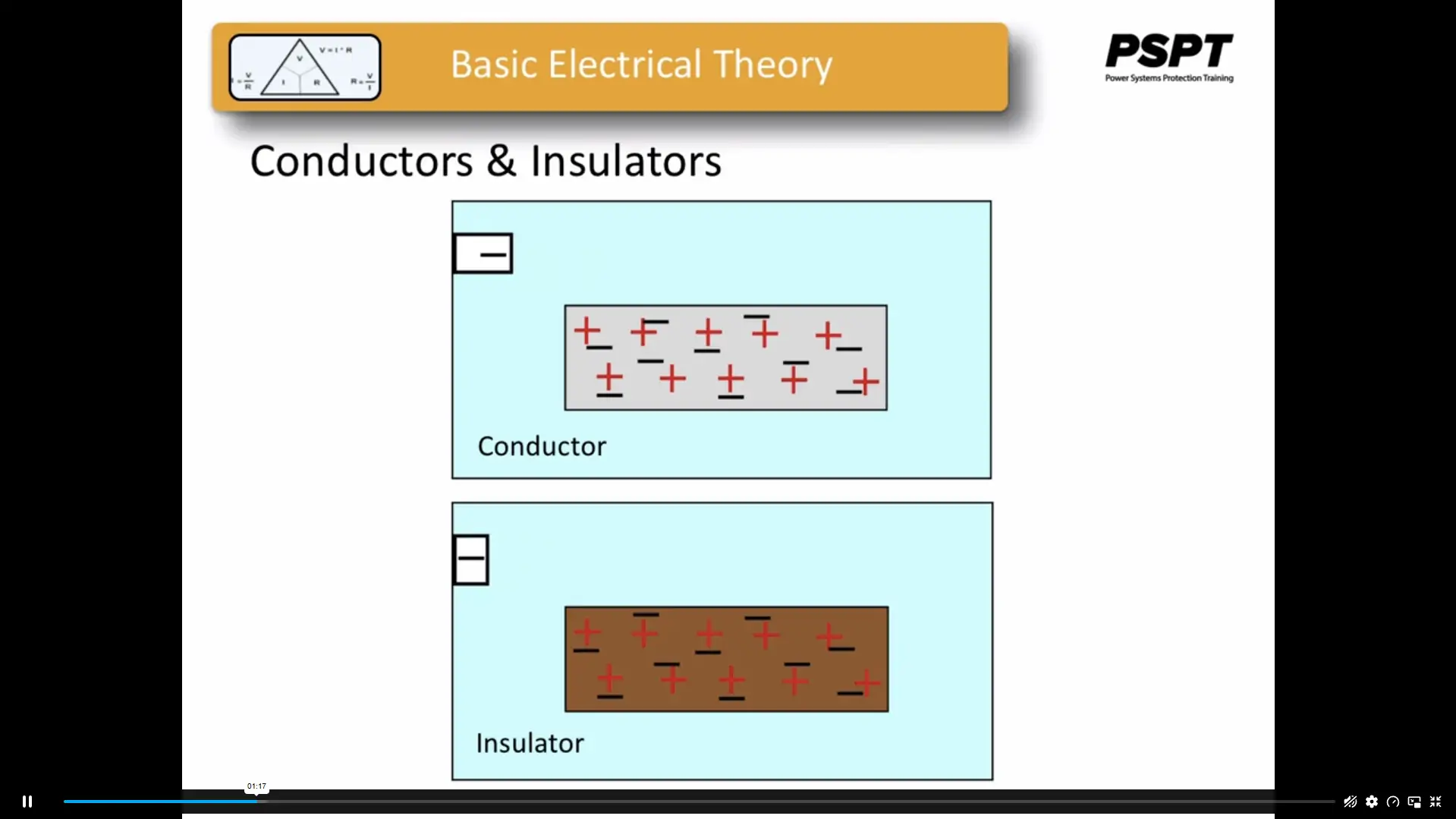
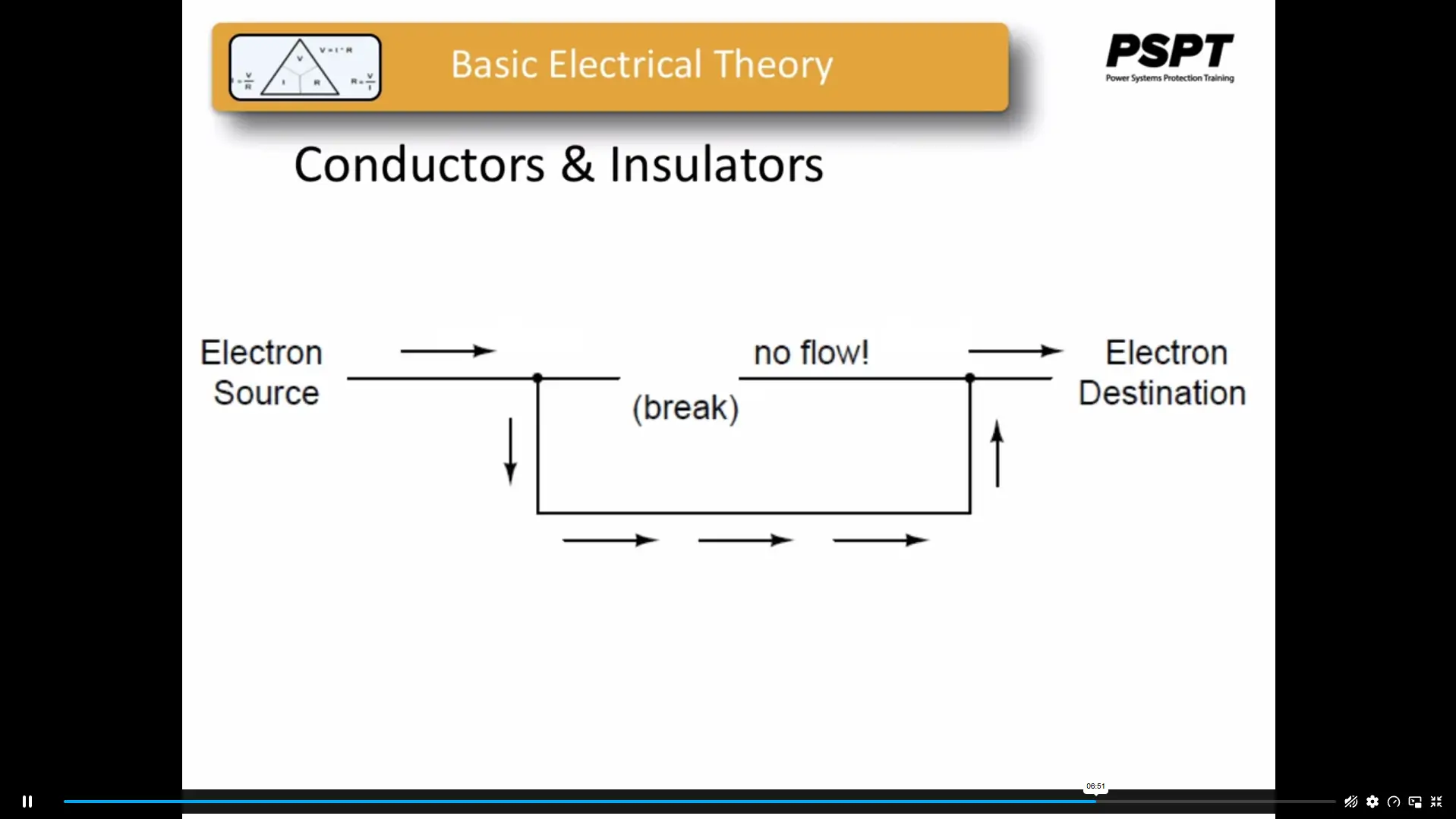
Ch – 02 Conductors & Insulators 00:08:00
-
Ch – 03 Current and Electric Circuits 00:13:00
-
Ch – 04 Ohm’s Law 00:06:00
-
Ch – 05 Electric Power 00:12:00
-
Ch – 06 Series _ Parallel Circuits 00:18:00
-
Ch – 07 Circuit Theorems 01:31:00
-
Ch – 08 Electric Fields and Capacitance 00:26:00
-
Ch – 09 Magnetism and Inductance 00:49:00
-
Ch – 10 Transient Response Capacitors & Inductors 00:10:00
-
Order Your Certificates and Transcripts
Frequently Asked Questions
An electrician course teaches essential electrical principles, including current, circuits, voltage, resistance, power, capacitance, inductance, and circuit theorems. Learners develop foundational knowledge needed to understand electrical systems, troubleshoot circuits, and progress toward practical electrical training.
Ohm’s Law explains the relationship between voltage, current, and resistance in an electrical circuit. It is expressed as V = I × R and helps electricians calculate electrical values when designing, testing, or troubleshooting circuits.
In a series circuit, components share one continuous path for current, while a parallel circuit provides multiple paths. Understanding both configurations helps electricians analyse circuit behaviour, calculate electrical values, and identify potential faults.
Conductors are materials that allow electric current to flow easily, while insulators resist electrical flow. Understanding their properties is essential for selecting appropriate wiring materials, improving circuit safety, and preventing unwanted electrical contact or energy loss.
Capacitance describes a component’s ability to store electrical energy in an electric field, while inductance relates to energy stored in a magnetic field. Both concepts are important for understanding electrical circuits, transient responses, and component behaviour.