Paramedic Training

Paramedics play a critical role in modern healthcare systems, providing urgent medical care, life-saving interventions, and emergency support to patients …

(376 Reviews)

stds1128 Students

logo

Get access to 3000+ courses including this for a year only at £49. GET NOW

Paramedic

Paramedic Training

Join thousands of learners building a successful career

14-Day Money-Back Guarantee

Paramedics play a critical role in modern healthcare systems, providing urgent medical care, life-saving interventions, and emergency support to patients in challenging situations. The Paramedic Training course is designed to equip learners with the essential knowledge, practical understanding, and professional awareness required to work effectively in emergency medical settings. Whether responding to accidents, medical emergencies, or public health incidents, a skilled paramedic must be prepared to assess, manage, and support patients under pressure.

This comprehensive training programme provides a strong foundation in emergency care principles, patient assessment, medication administration, infection control, and risk management. Learners will gain insight into the responsibilities of a paramedic, understand emergency response procedures, and develop the confidence needed to support patients in a wide range of medical situations.

Course Overview

The Paramedic Training course offers a thorough understanding of emergency medical care and the vital role paramedics play in supporting patients before they reach the hospital. Throughout the programme, learners develop an understanding of patient assessment, emergency response procedures, anatomy and physiology, medication administration, and the treatment of both minor and serious injuries. The course also covers key areas such as infection prevention, pain management, paediatric emergencies, ambulance operations, emergency communications, and the legal and ethical responsibilities of healthcare professionals. In addition, learners explore UK healthcare legislation and current challenges facing emergency medical services, including public health emergencies and infection control practices. 

By combining essential theory with practical emergency care concepts, this course equips learners with the knowledge needed to understand the realities of paramedic work and contribute effectively in healthcare, patient support, and emergency response settings.

Course Preview

Learning Outcomes

By completing this Paramedic Training course, you will be able to:

  • Understand the fundamental principles and responsibilities of a paramedic.
  • Explain the structure and operation of emergency medical services in the UK.
  • Demonstrate knowledge of basic human anatomy and physiological systems.
  • Conduct effective patient assessments in emergency situations.
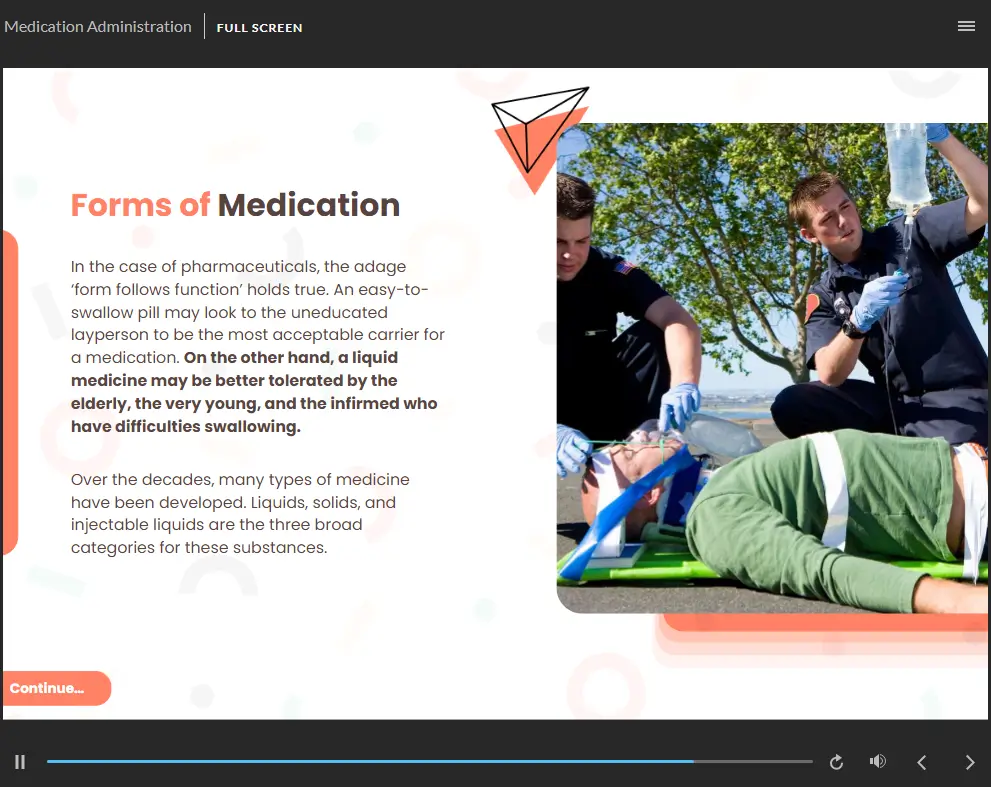
  • Understand safe medication administration procedures and best practices.
  • Identify and manage common injuries and medical emergencies.
  • Recognise major trauma conditions and appropriate emergency responses.
  • Apply infection prevention and control measures in healthcare settings.
  • Understand CPR and AED administration procedures for emergency care.
  • Demonstrate knowledge of emergency response planning, risk management, and healthcare legislation relevant to paramedicine.

Why Enrol in This Course?

The demand for healthcare professionals with emergency care knowledge continues to grow as healthcare systems place increasing emphasis on rapid response and patient safety. Enrolling in this Paramedic Training course provides valuable knowledge that can support career progression in healthcare, emergency services, and patient care environments.

Key benefits include:

  • Gain comprehensive knowledge of emergency medical care principles.
  • Develop an understanding of the responsibilities of a professional paramedic.
  • Learn patient assessment and emergency response techniques.
  • Understand injury management and medical emergency procedures.
  • Improve knowledge of infection control and patient safety practices.
  • Explore legal, ethical, and professional responsibilities in healthcare.
  • Flexible online learning accessible from anywhere.
  • No prior medical experience required.
  • Enhance your CV with recognised emergency care knowledge.
  • Prepare for further study and career development within the healthcare sector.

This course is ideal for individuals looking to build foundational knowledge in paramedicine and emergency healthcare services.

Who is this course for?

This Paramedic Training course is suitable for a wide range of learners, including:

  • Individuals interested in pursuing a career as a paramedic.
  • Healthcare assistants seeking to expand their emergency care knowledge.
  • Support workers involved in patient care and community health services.
  • First aiders and emergency response personnel.
  • Students considering further education in healthcare professions.
  • Individuals working in care homes, clinics, or healthcare facilities.
  • Emergency service volunteers seeking additional medical knowledge.
  • Anyone interested in understanding emergency medical procedures and patient care.

Whether you are entering the healthcare sector or seeking professional development, this course provides valuable knowledge applicable across multiple healthcare settings.

Prerequisites

There are no formal entry requirements for this course. It has been designed to be accessible to learners from all educational and professional backgrounds.

However, the following may be beneficial:

  • Basic understanding of English.
  • Interest in healthcare and emergency medical services.
  • Motivation to learn about patient care and emergency response.
  • Commitment to professional development within healthcare environments.

This makes the course suitable for both beginners and professionals seeking to enhance their existing knowledge.

Certification

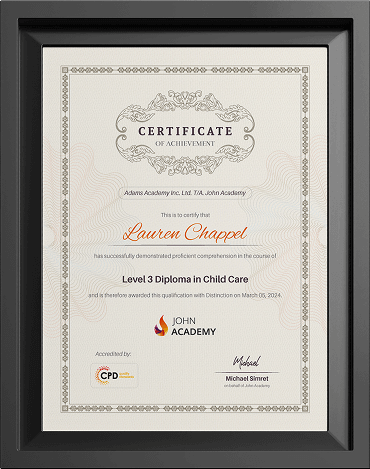
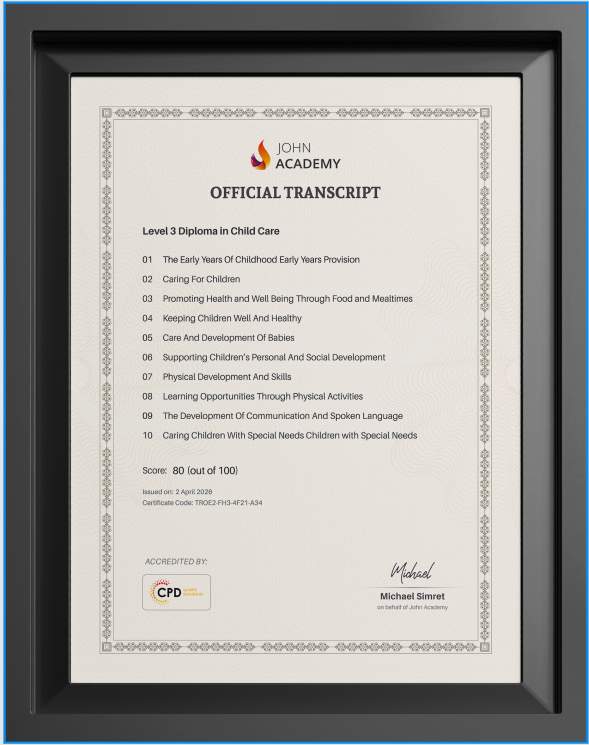
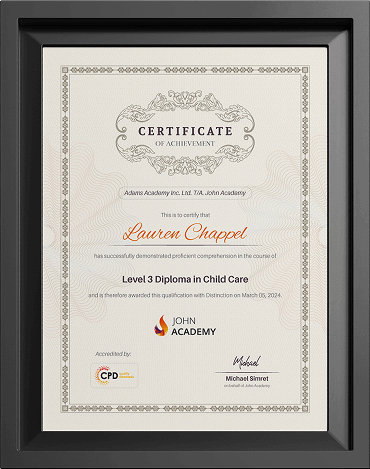
After successfully completing this course, you will receive an Accredited Certificate of Achievement endorsed by CPD, UKRLP, AoHT, and Incensu. Certificates and transcripts are available in:

  • PDF format for £11.99
  • Hard copy for £14.99

John-Certificate-MockupJohn-Certificate-Mockup

Career Path​

Completing this Paramedic Training course can support progression into a variety of healthcare and emergency services careers. While additional qualifications may be required for regulated clinical roles, the knowledge gained from this course provides a strong foundation for further training and professional development.

Potential career opportunities include:

  • Paramedic Assistant – £22,000 to £30,000 annually

Support emergency medical teams in patient care and emergency response activities.

  • Emergency Medical Technician (EMT) – £25,000 to £38,000 annually

Assist with pre-hospital care, patient transportation, and emergency treatment.

  • Healthcare Support Worker – £21,000 to £30,000 annually

Provide care and assistance to patients across various healthcare settings.

  • Ambulance Care Assistant – £22,000 to £32,000 annually

Support patient transportation and non-emergency medical services.

  • Emergency Response Officer – £24,000 to £40,000 annually

Assist with emergency planning, response coordination, and public safety initiatives.

  • Patient Care Assistant – £20,000 to £28,000 annually

Provide direct patient support in hospitals, clinics, and community healthcare environments.

Course Curriculum

  • video Introduction to Paramedicine Study
    00:36:00

Frequently Asked Questions

1. What does a paramedic do?

A paramedic provides emergency medical care, assesses patients, administers medications, manages injuries, performs life-saving procedures, and transports patients safely. They play a vital role in responding to medical emergencies and supporting patient care.

2. What skills are essential for paramedics?

Essential paramedic skills include patient assessment, emergency response, CPR, medication administration, communication, risk management, infection control, and decision-making under pressure. These skills help ensure safe, effective, and professional emergency medical care.

3. How do paramedics assess emergency patients?

Paramedics perform initial assessments by evaluating airway, breathing, circulation, consciousness, and vital signs. This systematic approach helps identify life-threatening conditions quickly and ensures appropriate treatment is provided during emergencies.

4. Why is CPR and AED training important?

CPR and AED training enables paramedics to respond effectively to cardiac emergencies. These life-saving techniques help restore circulation, improve survival rates, and provide critical support until advanced medical care becomes available.

5. How do paramedics manage medical emergencies safely?

Paramedics manage emergencies through rapid assessment, appropriate treatment, infection control measures, risk management, and adherence to legal guidelines. Their training ensures patient safety, effective care delivery, and professional emergency response in diverse situations.