PC Safety Diploma

In today’s increasingly connected world, strong PC Safety knowledge is essential for protecting computers, personal information, and digital activities from …

(584 Reviews)

stds1463 Students

logo

Get access to 3000+ courses including this for a year only at £49. GET NOW

PC Safety Diploma

Join thousands of learners building a successful career

14-Day Money-Back Guarantee

In today’s increasingly connected world, strong PC Safety knowledge is essential for protecting computers, personal information, and digital activities from growing cybersecurity threats. Malware, viruses, spyware, adware, and unsafe browsing practices can expose users to data loss, privacy breaches, financial risks, and system damage. The PC Safety Diploma is designed to provide learners with essential knowledge and practical awareness needed to use a PC safely and securely.

Whether you are a beginner using a computer for personal activities, a professional working with sensitive information, or someone looking to strengthen their digital security knowledge, this course provides a practical introduction to essential computer safety principles. It focuses on recognising common threats, understanding how malware works, and developing safer online and browser habits.

Course Overview

The PC Safety Diploma provides learners with practical computer security and safe PC use, covering the common risks that can affect devices and the simple steps users can take to stay protected. The course explores key areas such as malware, viruses, spyware, adware, and browser security, helping learners understand how harmful software can reach a computer, the problems it can cause, and the importance of taking preventative measures. It also introduces essential computer security terminology, making it easier for learners to recognise potential threats and understand common technical issues. As web browsing is a frequent source of online risks, the course also looks at browser-level security and the dangers associated with unsafe websites, downloads, links, advertisements, and other online activities. 

By the end of the training, learners will have a clearer understanding of everyday PC security and the practical habits needed to reduce the risk of common digital threats and keep their devices and personal information safer.

Learning Outcomes

By completing this PC Safety Diploma, you will be able to:

  • Understand the fundamental principles of PC Safety and computer security
  • Explain what malware is and recognise common malware-related risks
  • Identify different types of computer viruses and their potential effects
  • Understand how spyware and adware can affect PC users and their privacy
  • Recognise common security risks associated with internet usage
  • Apply safer browsing practices to reduce exposure to online threats
  • Understand the importance of browser-level security measures
  • Recognise common computer security terminology and concepts
  • Develop practical awareness of protecting personal information on a PC
  • Apply essential PC Safety principles to everyday computer use

Why Enrol in This Course?

As computers continue to play an important role in professional and personal life, understanding PC Safety has become an essential digital skill. Cyber threats can affect users regardless of their technical experience, making basic security awareness valuable for everyone.

Enrolling in this PC Safety Diploma gives you the knowledge and confidence to identify common computer threats and adopt safer digital habits.

Key benefits include the following:

  • Gain essential knowledge of PC security and malware
  • Learn how viruses can affect computers and personal information
  • Understand spyware and adware and their associated risks
  • Improve your browser security awareness
  • Develop safer habits when using the internet
  • Understand important computer security terminology
  • Learn online at your own pace and from any location
  • No advanced technical experience required

This course is particularly useful for anyone who regularly uses a PC and wants to improve their understanding of everyday computer security.

Who is this course for?

The PC Safety Diploma is suitable for a wide range of learners, including:

  • Individuals who use PCs at home or in the workplace
  • Beginners looking to develop basic computer security knowledge
  • Office employees who regularly work with computers and online systems
  • Students seeking to improve their digital safety awareness
  • Freelancers and remote workers using PCs for professional activities
  • Individuals interested in malware, viruses, and online security
  • Anyone wanting to develop practical PC Safety skills

Whether you are completely new to computer security or simply want to refresh your knowledge, this course provides a useful foundation for safer PC usage.

Prerequisites

There are no formal entry requirements for this course. The PC Safety Diploma is designed to be accessible to learners from different backgrounds and levels of technical experience.

However, the following may be helpful:

  • Basic understanding of how to use a PC
  • Basic knowledge of internet browsing
  • Interest in computers and online safety
  • Motivation to develop stronger digital security awareness

You do not need advanced IT or programming knowledge to benefit from this training.

Certification

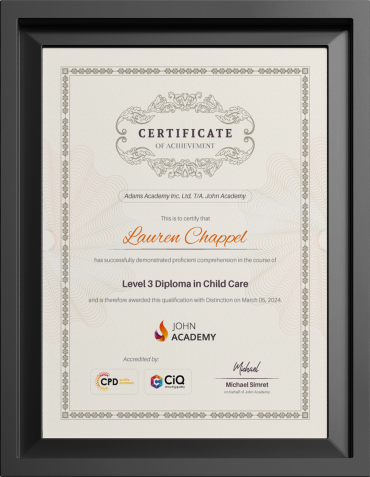
After successfully completing this course, you will receive an Accredited Certificate of Achievement endorsed by CPD, UKRLP, AoHT, and Incensu. Certificates and transcripts are available in:

  • PDF format for £11.99
  • Hard copy for £14.99

John-Certificate-MockupJohn-Certificate-Mockup

Career Path​

The PC Safety Diploma provides foundational knowledge that can complement a range of technology, administration, and workplace roles. While this course is not a substitute for advanced cybersecurity qualifications, its skills can provide a useful starting point for further IT and security training.

Potential career pathways include:

  • IT Support Assistant – £22,000 to £32,000 annually

Provide basic technical support and assist users with everyday computer issues.

  • IT Support Technician – £24,000 to £38,000 annually

Help maintain computer systems and troubleshoot common technical problems.

  • Computer Technician – £23,000 to £35,000 annually

Assist with PC maintenance, system setup, and basic technical support.

  • Junior IT Administrator – £25,000 to £40,000 annually

Support workplace IT systems and help maintain secure computer environments.

  • Cybersecurity Support Assistant – £25,000 to £40,000 annually

Assist with basic security monitoring, user awareness, and cybersecurity-related activities.

PC Safety Diploma

Very good
Based on
584 Reviews
Laura Mitchell GB

I really enjoyed the PC Safety Diploma course. The content was clear, practical, and easy to understand. It helped me improve my awareness of safe computer use and workplace digital safety. Highly recommended.

Course Curriculum

  • video Why You Need To Worry About “Malware”
    01:00:00
  • video Viruses
    01:00:00
  • video Spyware/Adware
    01:00:00
  • video Safety & Security at the Browser Level
    01:00:00
  • video Glossary of Terms
    01:00:00

Frequently Asked Questions

1. What is malware and how does it affect computers?

Malware is malicious software designed to damage, disrupt, or gain unauthorised access to computers. It includes viruses, spyware, and adware, potentially causing data loss, privacy problems, system slowdowns, and other serious security risks.

2. How can you protect your computer from viruses?

Protect your computer by using reliable security software, keeping operating systems updated, avoiding suspicious downloads, scanning files regularly, and practising safe browsing habits. These measures reduce the risk of infections and help maintain computer security.

3. What are spyware and adware?

Spyware secretly monitors user activity or collects information, while adware displays unwanted advertisements. Both can affect privacy, system performance, and browsing experiences, making awareness and appropriate computer security measures important for safer PC use.

4. How can browser security protect your computer?

Browser security helps protect computers by blocking dangerous websites, suspicious downloads, malicious scripts, and fraudulent content. Safe browser settings, regular updates, strong passwords, and careful browsing habits can significantly reduce common online security threats.

5. Why is computer safety important for everyday users?

Computer safety protects personal information, files, accounts, and devices from malware and other cyber threats. Understanding common risks and following security practices helps users browse safely, prevent infections, protect privacy, and reduce potential data loss.