Personal Banking, Finance & Budgeting Course

Effective Personal Banking, Finance & Budgeting skills are essential for achieving financial stability, managing expenses, and building long-term wealth. In …

(384 Reviews)

stds1213 Students

logo

Get access to 3000+ courses including this for a year only at £49. GET NOW

Personal Banking, Finance & Budgeting Course

Join thousands of learners building a successful career

14-Day Money-Back Guarantee

Effective Personal Banking, Finance & Budgeting skills are essential for achieving financial stability, managing expenses, and building long-term wealth. In today’s fast-changing economic environment, individuals need practical financial knowledge to make informed decisions about banking, budgeting, saving, credit management, and personal investments. The Personal Banking, Finance & Budgeting Course is designed to equip learners with the fundamental skills and knowledge required to take control of their finances and make smarter financial decisions.

Whether you are looking to improve your budgeting skills, understand banking systems, build savings, or manage credit effectively, this course provides a structured and practical learning experience. It focuses on developing financial literacy, money management strategies, and budgeting techniques that can be applied in everyday life.

Course Overview

The Personal Banking, Finance & Budgeting Course provides a comprehensive overview of personal financial management and modern banking practices. It is designed to help learners understand how financial systems work and how effective budgeting can support both short-term and long-term financial goals.

This course explores the core principles of personal finance, including budgeting, money management, savings planning, banking services, credit management, loans, and financial decision-making. Learners will gain practical knowledge of how to create and maintain a budget, monitor spending habits, and make informed choices regarding financial products and services.

In addition, the course highlights the importance of understanding credit reports, managing debt responsibly, protecting against fraud and identity theft, and evaluating financial opportunities. You will learn how banking products, credit facilities, and savings plans can be used effectively to support personal financial wellbeing.

By combining theoretical knowledge with practical application, this course prepares learners to confidently manage their finances, improve financial security, and achieve personal financial goals. It is suitable for anyone seeking to strengthen their understanding of Personal Banking, Finance & Budgeting and make smarter financial decisions.

Course Preview

Learning Outcomes

By completing this Personal Banking, Finance & Budgeting Course, you will be able to:

  • Understand the core principles of personal banking and financial management
  • Create realistic budgets to manage income and expenses effectively
  • Develop strategies for achieving short-term and long-term savings goals
  • Understand the role of banks and financial institutions in personal finance
  • Evaluate different financial products and investment opportunities
  • Manage credit responsibly and improve creditworthiness
  • Understand common banking fees and how to avoid unnecessary charges
  • Identify and respond to financial fraud, errors, and identity theft risks
  • Make informed decisions regarding loans, mortgages, and credit cards
  • Apply practical Personal Banking, Finance & Budgeting skills to improve financial wellbeing

Why Enrol in This Course?

Financial literacy is one of the most valuable life skills, helping individuals manage money effectively and avoid costly financial mistakes. Enrolling in this Personal Banking, Finance & Budgeting Course provides the knowledge and confidence needed to take control of your financial future.

Key benefits include:

  • Gain practical knowledge of personal banking and financial planning
  • Learn how to create, manage, and monitor effective budgets
  • Improve money management and financial decision-making skills
  • Understand savings strategies and wealth-building principles
  • Learn how credit scores and credit reports impact financial opportunities
  • Develop skills to identify and avoid financial fraud and identity theft
  • Understand loans, mortgages, and responsible borrowing practices
  • Flexible online learning accessible anytime and anywhere
  • No prior financial experience required
  • Build confidence in managing personal finances independently

This course is ideal for anyone seeking greater financial control, improved budgeting skills, and a stronger understanding of personal finance.

Who is this course for?

This Personal Banking, Finance & Budgeting Course is suitable for a wide range of learners, including:

  • Individuals looking to improve personal money management skills
  • Students seeking essential financial literacy knowledge
  • Young professionals managing their finances independently
  • Parents planning household budgets and family finances
  • Individuals working towards savings or financial goals
  • Anyone wanting to understand banking, credit, and budgeting systems
  • Individuals seeking to improve financial confidence and decision-making
  • Those interested in developing practical Personal Banking, Finance & Budgeting skills

Whether you are completely new to personal finance or looking to strengthen your financial knowledge, this course provides valuable and practical insights.

Prerequisites

There are no formal entry requirements for this course. It is designed to be accessible to learners from all educational and professional backgrounds.

However, the following may be helpful:

  • Basic understanding of English
  • Interest in personal finance and money management
  • Motivation to improve financial literacy and budgeting skills
  • Desire to achieve better financial control and planning

This makes the course suitable for beginners as well as individuals seeking to improve their existing financial knowledge.

Assessment Method

To successfully complete the Personal Banking, Finance & Budgeting Course, learners will undertake an automated multiple-choice assessment designed to evaluate their understanding of key financial concepts and practical applications.

The assessment covers budgeting principles, banking services, savings strategies, credit management, financial planning, and consumer financial protection.

Learners will also have access to supporting learning materials and activities designed to reinforce knowledge and encourage practical application in real-life financial situations.

Certification

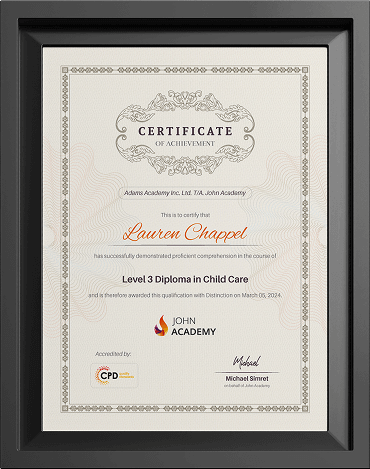
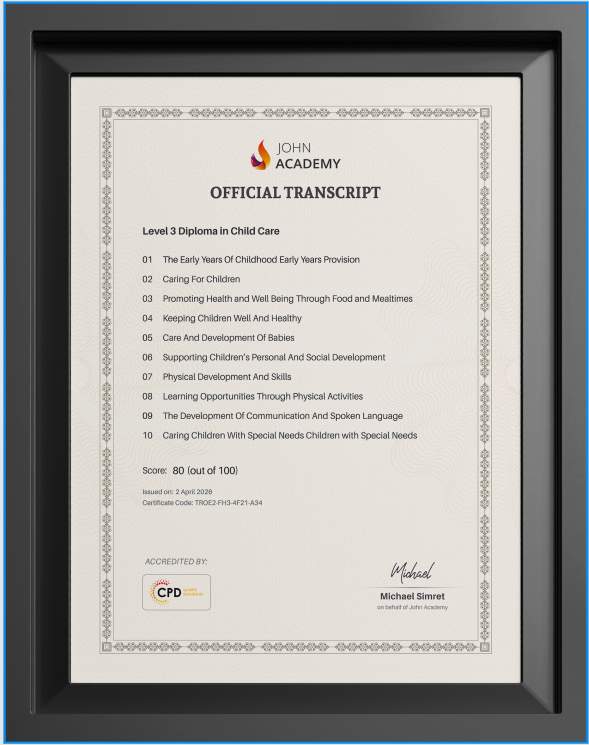
Upon successful completion of the course, you will receive a certificate and transcript recognising your knowledge and skills in personal finance and budgeting.

This certification demonstrates your understanding of Personal Banking, Finance & Budgeting principles and can strengthen your CV by showcasing your financial literacy and money management capabilities.

You will receive:

  • A digital certificate for immediate access
  • A printed certificate for professional use

This qualification supports both personal development and professional growth by demonstrating competence in financial management and budgeting.

John-Certificate-MockupJohn-Certificate-Mockup

Career Path​

Completing this course provides valuable financial skills that can support a variety of professional and personal development opportunities. Financial literacy is increasingly valued by employers across industries because effective money management contributes to better decision-making and organisational success.

Potential career roles include:

  • Finance Administrator – £22,000 to £35,000 annually

Assist with budgeting, financial records, and administrative financial processes.

  • Accounts Assistant – £23,000 to £38,000 annually

Support financial operations, bookkeeping, and transaction management.

  • Banking Customer Service Representative – £22,000 to £36,000 annually

Provide customer support regarding banking products and financial services.

  • Credit Control Assistant – £24,000 to £40,000 annually

Manage customer accounts, payment processes, and credit monitoring.

  • Financial Services Administrator – £25,000 to £42,000 annually

Support financial planning, client administration, and banking operations.

Course Curriculum

  • video Finance Jeopardy
    00:15:00
  • video The Fundamentals of Finance
    00:15:00
  • video The Basics of Budgeting
    00:15:00
  • video Parts of a Budget
    00:15:00
  • video The Budgeting Process
    00:30:00
  • video Budgeting Tips and Tricks
    00:15:00
  • video Monitoring and Managing Budgets
    00:15:00
  • video Crunching the Numbers
    00:15:00
  • video Getting Your Budget Approved
    00:15:00
  • video Comparing Investment Opportunities
    00:15:00
  • video ISO 9001:2008
    00:15:00
  • video Directing the Peerless Data Corporation
    00:30:00

Frequently Asked Questions

1. How do I create a personal budget?

Creating a personal budget involves tracking income, listing expenses, setting financial goals, and allocating funds effectively. A well-planned budget helps control spending, reduce debt, increase savings, and improve long-term financial stability.

2. Why is personal finance important?

Personal finance helps individuals manage income, expenses, savings, investments, and debt effectively. Understanding financial principles enables better decision-making, improves financial security, supports goal achievement, and reduces the risk of money-related stress.

3. How can I improve my credit score?

Improving your credit score requires paying bills on time, reducing outstanding debt, monitoring credit reports for errors, maintaining low credit utilisation, and using credit responsibly. Good credit can improve borrowing opportunities and financial flexibility.

4. What are the best ways to save money?

Effective saving strategies include setting clear goals, creating a budget, reducing unnecessary expenses, automating savings contributions, and monitoring spending habits. Consistent saving builds financial security and helps prepare for future needs and emergencies.

5. How do I choose the right banking products?

Choosing the right banking products involves comparing fees, interest rates, account features, accessibility, and customer service. Understanding your financial needs helps you select accounts, credit cards, and loans that support your financial goals.