Property Law & Taxation

A strong understanding of Property Law & Taxation is essential for professionals involved in property transactions, real estate investment, legal …

(384 Reviews)

stds1137 Students

logo

Get access to 3000+ courses including this for a year only at £49. GET NOW

Property Law & Taxation

Property Law & Taxation

Join thousands of learners building a successful career

14-Day Money-Back Guarantee

A strong understanding of Property Law & Taxation is essential for professionals involved in property transactions, real estate investment, legal practice, accounting, and financial planning. Property ownership and property-related taxation are subject to complex legal and regulatory requirements, making specialist knowledge increasingly valuable in today’s evolving property market. The Property Law & Taxation course is designed to provide learners with a comprehensive understanding of property law principles, ownership rights, taxation obligations, and the legal framework governing property transactions in the United Kingdom.

Whether you are an aspiring property professional, accountant, lawyer, investor, or someone looking to develop expertise in real estate matters, this course provides a structured and practical learning experience. It focuses on developing the legal and taxation knowledge required to navigate property-related matters confidently and professionally.

Course Overview

The Property Law & Taxation course offers a practical approach to the legal and tax issues involved in owning, managing, and transferring property. It helps learners understand key concepts such as property rights, ownership structures, legal responsibilities, and the regulations that govern real estate transactions. The course also covers important taxation topics, including property-related taxes, capital gains, and indirect taxes that can affect property purchases, sales, and investments. Alongside the legal and financial aspects, learners gain insight into the UK property market and how changes in legislation and taxation can influence property owners, investors, businesses, and professionals working in the sector. 

By combining legal knowledge with real-world taxation principles, the course provides a well-rounded understanding of the property industry and equips learners with skills that are valuable for careers in real estate, law, accounting, taxation, and property investment.

Course Preview

Learning Outcomes

By completing this Property Law & Taxation course, you will be able to:

  • Understand the fundamental principles of Property Law & Taxation in the UK
  • Explain the legal concepts of property ownership and possession
  • Identify different forms of property ownership and co-ownership arrangements
  • Understand the rights, responsibilities, and legal protections of property owners
  • Analyse taxation considerations associated with property transactions
  • Understand the application of capital gains taxation in property-related matters
  • Recognise the impact of VAT and other taxes on property ownership and investment
  • Apply practical taxation knowledge relevant to legal and financial property advice
  • Evaluate recent developments and trends within the UK property market
  • Apply legal and taxation principles to real-world property scenarios and decision-making

Why Enrol in This Course?

The property sector remains one of the most important areas of the UK economy, creating ongoing demand for professionals with expertise in Property Law & Taxation. Whether you work in law, finance, accounting, real estate, or property investment, understanding the legal and taxation framework governing property is essential for professional success.

Key benefits include:

  • Gain comprehensive knowledge of Property Law & Taxation principles
  • Understand legal rights relating to property ownership and possession
  • Learn how taxation affects property transactions and investments
  • Develop practical knowledge applicable to legal, financial, and real estate careers
  • Improve your ability to assess property-related risks and obligations
  • Understand current developments in the UK property market
  • Enhance your professional credibility and career prospects
  • Flexible online learning available anytime and anywhere
  • Suitable for both beginners and experienced professionals
  • Gain skills that are highly relevant across multiple industries

This course is ideal for individuals seeking to build specialist knowledge in property law and taxation while improving their professional qualifications.

Who is this course for?

This Property Law & Taxation course is suitable for a wide range of learners, including:

  • Aspiring property professionals and real estate practitioners
  • Accountants and tax professionals seeking property taxation knowledge
  • Legal professionals and law students
  • Property investors and landlords
  • Estate agents and property consultants
  • Financial advisers and wealth management professionals
  • Business owners involved in property transactions
  • Individuals interested in understanding property law and taxation
  • Graduates pursuing careers in legal, financial, or property sectors
  • Anyone looking to develop specialist knowledge in the UK property market

Whether you are entering the field for the first time or seeking to enhance your existing expertise, this course provides valuable and practical knowledge.

Prerequisites

There are no formal entry requirements for this course. It has been designed to be accessible to learners from diverse educational and professional backgrounds.

However, the following may be beneficial:

  • Basic understanding of English
  • Interest in property, law, finance, or taxation
  • Desire to develop professional knowledge and skills
  • Motivation to pursue career advancement in property-related fields

This makes the course suitable for both beginners and professionals seeking to upskill.

Certification

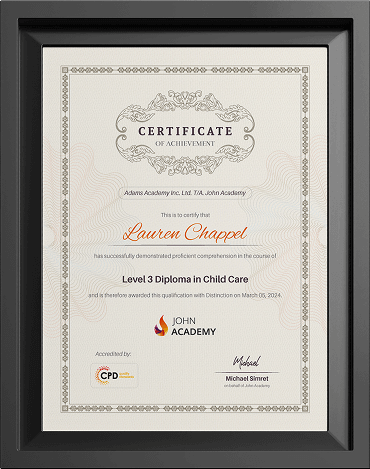
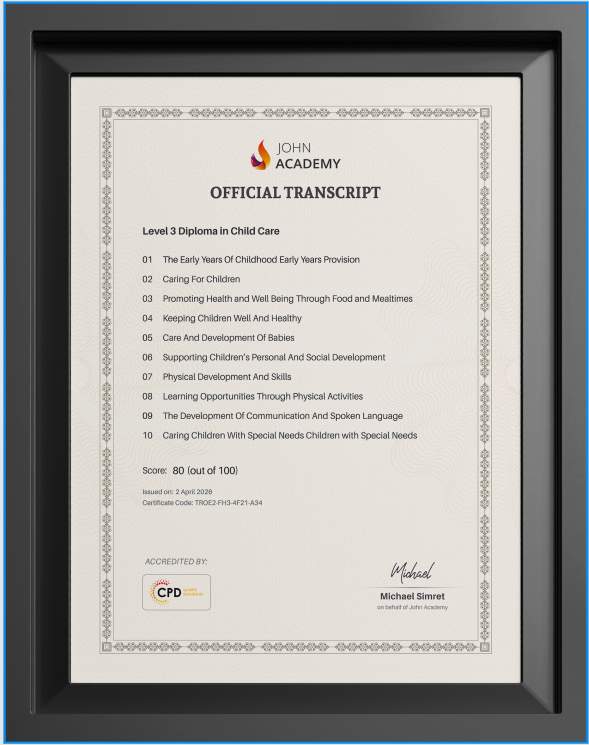
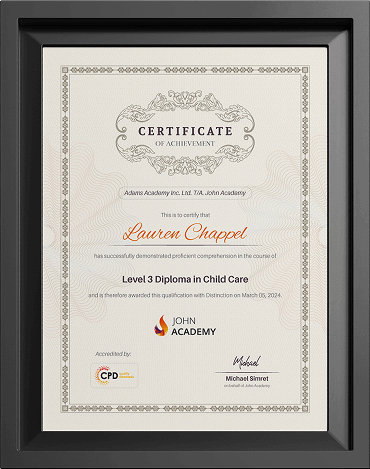
After successfully completing this course, you will receive an Accredited Certificate of Achievement endorsed by CPD, UKRLP, AoHT, and Incensu. Certificates and transcripts are available in:

  • PDF format for £11.99
  • Hard copy for £14.99

John-Certificate-MockupJohn-Certificate-Mockup

Career Path​

Completing this Property Law & Taxation course can open doors to a variety of career opportunities within the legal, taxation, financial, and property sectors.

Potential career roles include:

  • Property Administrator – £22,000 to £35,000 annually

Support property transactions, documentation, and compliance activities.

  • Estate Agent – £25,000 to £50,000 annually

Assist clients with property sales, purchases, and market advice.

  • Property Consultant – £30,000 to £60,000 annually

Provide professional guidance on property investments and transactions.

  • Tax Adviser – £35,000 to £70,000 annually

Advise individuals and businesses on taxation matters related to property and investments.

  • Property Manager – £30,000 to £55,000 annually

Manage residential or commercial properties on behalf of owners and investors.

  • Paralegal (Property Law) – £24,000 to £45,000 annually

Support legal professionals in property-related matters and transactions.

  • Solicitor (Property Law Specialisation) – £45,000 to £100,000+ annually

Provide legal advice and representation on property ownership, disputes, and transactions.

  • Property Investment Adviser – £40,000 to £90,000+ annually

Help clients make informed property investment decisions based on legal and taxation considerations.

Excellent

4.7/5
★★★★★
verified Based on 384 reviews

Course Curriculum

  • video The Property Law and Practice
    00:30:00

Frequently Asked Questions

1. What is property law and why important?

Property law governs the ownership, use, transfer, and possession of land and buildings. It protects legal rights, regulates property transactions, and helps individuals and businesses understand their responsibilities when buying, selling, or managing property.

2. What is co-ownership in property?

Co-ownership occurs when two or more people share ownership of a property. Understanding ownership rights, responsibilities, and legal agreements helps prevent disputes and ensures proper management, transfer, or sale of jointly owned property.

3. How does capital gains tax affect property?

Capital gains tax may apply when a property is sold for a profit. The amount payable depends on factors such as ownership status, allowable deductions, exemptions, and current tax regulations affecting property transactions.

4. How is VAT applied to property transactions?

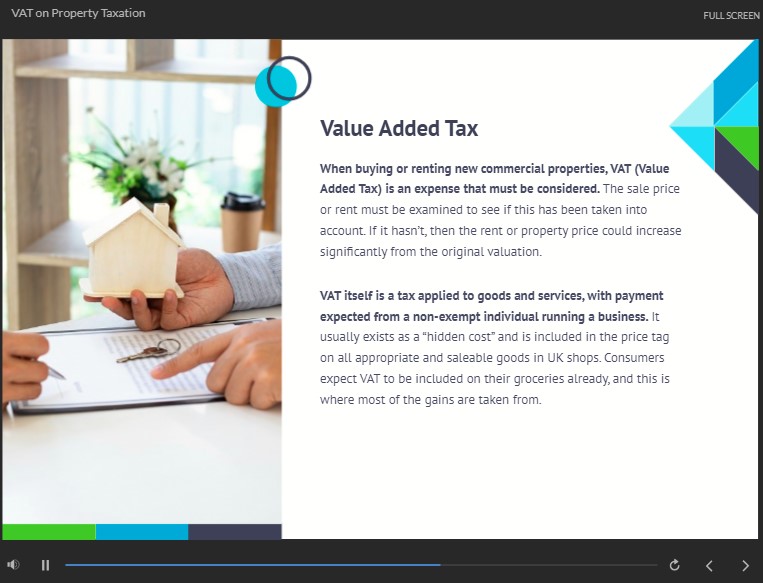
VAT can apply to certain property sales, leases, and development projects. Understanding VAT rules helps property owners, investors, accountants, and legal professionals ensure compliance and make informed financial decisions regarding property transactions.

5. How do UK property market changes impact investors?

Changes in the UK property market can affect property values, taxation, investment returns, and demand. Staying informed about legal and market developments helps investors, landlords, and professionals make better property-related decisions.