Sports Management Training

Strong expertise in Sports Management is essential for anyone aiming to build a successful career in the fast-growing global sports …

(576 Reviews)
★ ★ ★ ★ ★
★ ★ ★ ★ ★

stds1130 Students

logo

Get access to 3000+ courses including this for a year only at £49. GET NOW

Sports Management

Sports Management Training

Join thousands of learners building a successful career

14-Day Money-Back Guarantee

Strong expertise in Sports Management is essential for anyone aiming to build a successful career in the fast-growing global sports industry. From professional leagues and international tournaments to grassroots sports organisations, the need for skilled managers, strategists, and coordinators continues to rise. The Sports Management Training Online Course is designed to equip learners with the essential knowledge, leadership abilities, and analytical skills required to succeed in modern sports environments.

Whether you are passionate about sports, planning to enter the sports industry, or looking to progress into leadership and administrative roles, this course provides a structured and practical learning pathway. It focuses on key areas such as sports operations, strategic planning, marketing, finance, performance management, and event organisation.

Course Overview

The Sports Management Training course provides a comprehensive introduction to the principles, systems, and operations that drive the global sports industry. It is designed to help learners understand how sports organisations function, how decisions are made, and how successful sports businesses are managed at professional levels.

This course explores the core foundations of Sports Management, including leadership structures, financial planning, marketing strategies, performance analysis, and organisational development within sports institutions. Learners will gain insight into how professional clubs, sporting federations, and event organisations operate on both national and international levels.

A key focus of this programme is understanding how sports organisations achieve success through strategic planning and efficient management systems. Learners will also develop an understanding of how data analytics is transforming modern sports performance and decision-making.

In addition, the course highlights the importance of sports marketing, sponsorship management, and event promotion in building strong sports brands and generating revenue. It also covers conflict management, athlete performance optimisation, and injury management to provide a complete view of the sports industry ecosystem.

By combining theoretical knowledge with real-world applications, this course prepares learners for dynamic roles within sports organisations, clubs, agencies, and governing bodies.

Course Preview

Learning Outcomes

By completing this Sports Management Training course, you will be able to:

  • Understand the core principles and structure of Sports Management
  • Analyse the organisational systems within professional sports industries
  • Apply strategic management techniques in sports organisations
  • Understand financial planning and budgeting in sports businesses
  • Demonstrate leadership and management skills in sports environments
  • Develop sports marketing and business administration strategies
  • Apply conflict resolution techniques within sports organisations
  • Understand performance management systems in sports settings
  • Use data analytics to improve decision-making in sports
  • Plan and promote successful sporting events and sponsorship campaigns

Why Enrol in This Course?

The sports industry is one of the fastest-growing global sectors, offering diverse career opportunities in management, marketing, analytics, and event coordination. Enrolling in this Sports Management Training course provides you with the essential skills needed to succeed in this competitive field.

Key benefits include the following:

  • Gain in-depth knowledge of modern Sports Management principles
  • Learn how professional sports organisations operate
  • Develop leadership and decision-making skills
  • Understand sports marketing, branding, and sponsorship strategies
  • Learn how to manage sports events and performance systems
  • Gain insights into sports finance and organisational planning
  • Flexible online learning suitable for beginners and professionals
  • No prior industry experience required

This course is ideal for individuals who want to turn their passion for sports into a professional career.

Who is this course for?

This Sports Management Training course is suitable for a wide range of learners, including:

  • Individuals aspiring to build a career in Sports Management
  • Sports enthusiasts looking to enter the professional sports industry
  • Graduates seeking roles in sports administration or marketing
  • Coaches and trainers aiming to expand their management skills
  • Event planners interested in sports event organisation
  • Business professionals transitioning into the sports sector
  • Anyone interested in how sports organisations operate

Whether you are new to the industry or looking to enhance your existing knowledge, this course provides valuable insights and professional development opportunities.

Prerequisites

There are no formal entry requirements for this course. It is designed to be accessible to all learners.

However, the following may be helpful:

  • Basic understanding of the English language
  • Interest in sports, business, or management
  • Motivation to learn organisational and leadership skills
  • Enthusiasm for the sports industry

This makes the course suitable for beginners as well as professionals seeking to upgrade their skills.

Assessment Method

To complete the Sports Management Training course, learners will take an automated multiple-choice assessment designed to evaluate understanding of key sports management concepts.

The assessment focuses on leadership, sports operations, marketing strategies, financial planning, and performance analysis in Sports Management.

Supporting learning materials are provided throughout the course to ensure learners can apply knowledge effectively in real-world sports environments.

Certification

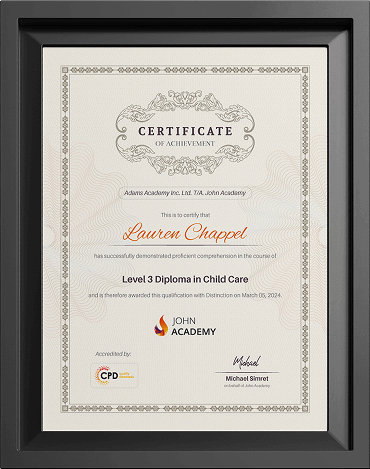
Upon successful completion of the course, learners will receive a certificate and transcript recognising their knowledge and skills in sports management.

This certification demonstrates your understanding of professional Sports Management principles and can enhance your CV when applying for roles in the sports industry.

You will receive:

  • A digital certificate for immediate access
  • A printed certificate for professional presentation

This qualification strengthens your professional profile and supports career advancement in the sports sector.

Career Path​

Completing this course opens the door to a wide range of career opportunities within the global sports industry. With increasing investment in sports organisations, media, and events, skilled professionals in Sports Management are in high demand.

Potential career roles include the following:

Sports Manager – £30,000 to £60,000 annually

Oversee sports teams, organisations, and operations

Sports Marketing Executive – £25,000 to £50,000 annually

Develop branding and promotional strategies for sports organisations

Event Coordinator (Sports) – £22,000 to £45,000 annually

Plan and manage sporting events and competitions

Sports Analyst – £28,000 to £55,000 annually

Use data analytics to improve performance and decision-making

Athlete Manager / Agent – £30,000 to £70,000+ annually

Represent athletes and manage contracts and sponsorships

Course Curriculum

  • video What is Sports Management
    00:09:00

Frequently Asked Questions

1. What is sports management and its importance?

Sports management involves organizing, planning, and overseeing sports activities, teams, and events. It combines business, leadership, and marketing skills to ensure successful operations, athlete development, financial stability, and growth within the sports industry.

2. What careers are available in sports management?

Careers in sports management include sports manager, event coordinator, marketing executive, team manager, sponsorship manager, and performance analyst. These roles exist in clubs, leagues, agencies, fitness organizations, and global sports events.

3. How does sports marketing work in the industry?

Sports marketing promotes teams, athletes, and events through branding, sponsorships, media, and digital platforms. It builds fan engagement, increases revenue, and strengthens partnerships between organizations, sponsors, and sports audiences worldwide.

4. What is the role of data analytics in sports?

Data analytics in sports helps analyze player performance, injury risks, team strategies, and game outcomes. It supports coaches and managers in making informed decisions to improve performance, efficiency, and competitive advantage.

5. How are sports events planned and managed?

Sports events are planned by setting objectives, budgeting, securing venues, managing logistics, coordinating teams, and promoting the event. Effective management ensures smooth execution, audience engagement, and successful delivery of sporting competitions.