Wills, Trusts, Dispositions & Probate Law

Understanding Wills, Trusts, Dispositions & Probate Law is essential for anyone involved in estate planning, legal administration, or financial management. …

(375 Reviews)

stds1309 Students

logo

Get access to 3000+ courses including this for a year only at £49. GET NOW

Wills, Trusts, Dispositions & Probate Law

Wills, Trusts, Dispositions & Probate Law

Join thousands of learners building a successful career
14-Day Money-Back Guarantee

Understanding Wills, Trusts, Dispositions & Probate Law is essential for anyone involved in estate planning, legal administration, or financial management. Whether preparing a legally valid will, administering a deceased person’s estate, or advising clients on inheritance matters, knowledge of probate law and trusts is invaluable. The Wills, Trusts, Dispositions & Probate Law online course is designed to provide learners with a comprehensive understanding of the legal principles governing wills, trusts, estate administration, and probate procedures.

Whether you are beginning a career in the legal sector, working in financial services, or simply looking to expand your legal knowledge, this course provides a structured and practical learning experience. It focuses on the legal framework surrounding wills, inheritance, trusts, powers of attorney, and probate administration, enabling learners to understand the responsibilities and procedures involved in effective estate planning.

Course Overview

The Wills, Trusts, Dispositions & Probate Law online course offers a clear and practical overview of the legal rules involved in estate planning and the administration of a person’s assets after death. It explains how valid wills are prepared, how trusts work, and how estates are managed through the probate process, while outlining the responsibilities of executors and administrators. Learners will also explore intestacy rules, which apply when someone dies without a valid will, as well as the legal procedures for amending or revoking wills and setting up powers of attorney. 

By combining essential legal concepts with real-world applications, the course helps build a solid understanding of inheritance and estate law, making it valuable for those interested in legal services, estate administration, financial planning, or anyone who wants a better understanding of how assets are protected and passed on.

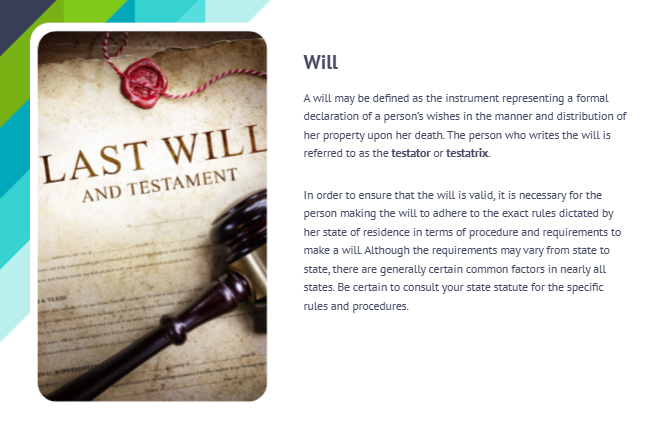
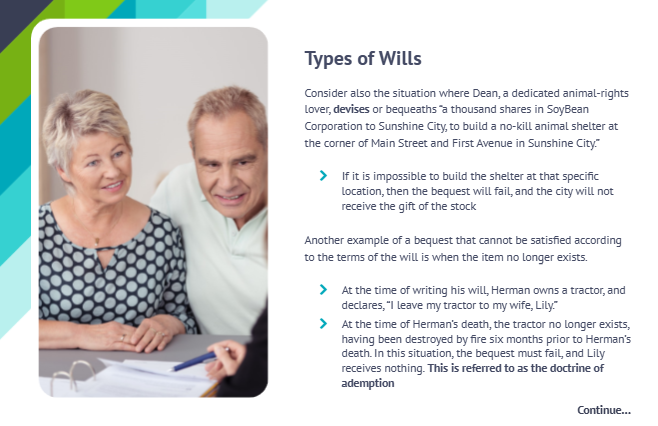
Course Preview

Learning Outcomes

By completing this Wills, Trusts, Dispositions & Probate Law online course, you will be able to:

  • Understand the legal principles governing wills, trusts, dispositions, and probate law.
  • Explain the legal requirements for creating a valid and enforceable will.
  • Understand the purpose and operation of trusts within estate planning.
  • Identify the legal rules relating to intestacy and inheritance.
  • Understand the probate process and the responsibilities of executors and administrators.
  • Recognise common errors in wills and understand the available legal remedies.
  • Explain the legal grounds and procedures for revoking or updating a will.
  • Understand the purpose and legal authority of different types of powers of attorney.
  • Apply estate planning principles to practical legal scenarios.
  • Demonstrate a strong understanding of Wills, Trusts, Dispositions & Probate Law for personal or professional development.

Why Enrol in This Course?

Estate planning and probate law remain essential areas of legal practice, with increasing demand for knowledgeable professionals who understand inheritance law and estate administration. Enrolling in this Wills, Trusts, Dispositions & Probate Law online course provides you with practical legal knowledge that can support both your career and personal financial planning.

Key benefits include:

  • Gain a comprehensive understanding of Wills, Trusts, Dispositions & Probate Law.
  • Learn how legally valid wills are prepared and administered.
  • Understand trusts and their role in protecting family assets.
  • Develop knowledge of probate procedures and estate administration.
  • Learn how inheritance laws apply when no valid will exists.
  • Improve your understanding of powers of attorney and legal decision-making.
  • Study flexibly through online learning at your own pace.
  • No previous legal experience is required, making the course suitable for beginners.

This course is ideal for anyone seeking to build a strong foundation in estate planning, probate law, and legal administration.

Who is this course for?

This Wills, Trusts, Dispositions & Probate Law online course is suitable for a wide range of learners, including:

  • Individuals interested in estate planning and inheritance law.
  • Aspiring legal professionals and paralegals.
  • Legal administrative and support staff.
  • Financial advisers and wealth management professionals.
  • Probate and estate administration assistants.
  • Individuals preparing personal or family estate plans.
  • Business owners seeking to understand succession planning.
  • Anyone wishing to improve their knowledge of wills, trusts, and probate procedures.

Whether you are beginning your legal career or simply want to understand estate planning more effectively, this course provides valuable legal knowledge and practical insight.

Prerequisites

There are no formal entry requirements for this course. It has been designed to be accessible to learners from all educational and professional backgrounds.

However, the following may be beneficial:

  • A basic understanding of English.
  • An interest in law, estate planning, or financial management.
  • A willingness to develop legal knowledge and professional skills.

This makes the course suitable for complete beginners as well as professionals looking to enhance their expertise.

Certification

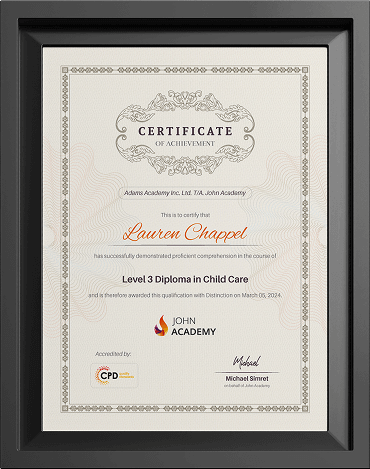
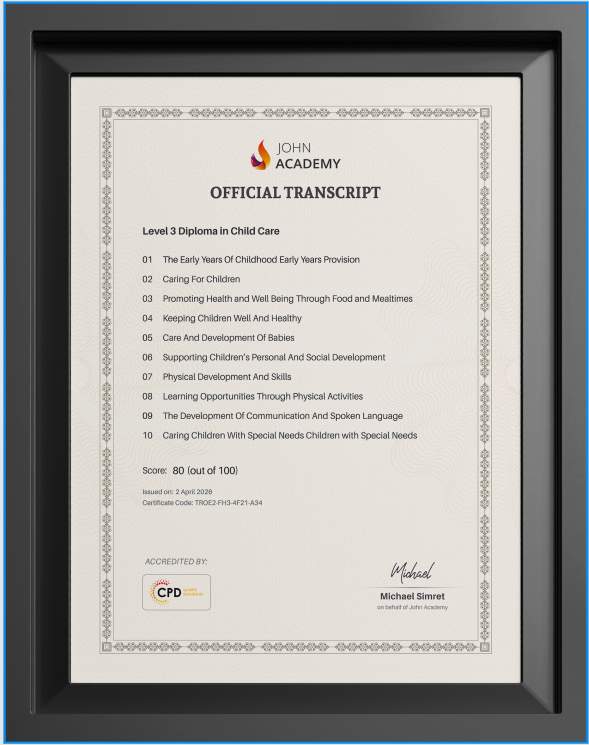
After successfully completing this course, you will receive an Accredited Certificate of Achievement endorsed by CPD, UKRLP, AoHT, and Incensu. Certificates and transcripts are available in:

  • PDF format for £11.99
  • Hard copy for £14.99

John-Certificate-MockupJohn-Certificate-Mockup

Career Path​

Completing this course can open the door to a variety of opportunities within the legal, financial, and estate administration sectors. As demand for estate planning and probate services continues to grow, professionals with knowledge of Wills, Trusts, Dispositions & Probate Law are increasingly valued.

Potential career roles include:

  • Probate Administrator£22,000 to £38,000 annually

Assist with estate administration, probate applications, and legal documentation.

  • Paralegal (Private Client) £24,000 to £40,000 annually

Support solicitors in matters relating to wills, trusts, probate, and estate planning.

  • Legal Secretary£22,000 to £35,000 annually

Provide administrative support within private client and probate law departments.

  • Estate Planning Adviser£30,000 to £55,000 annually

Advise individuals and families on wills, trusts, inheritance planning, and asset protection.

  • Trust Administrator£28,000 to £50,000 annually

Manage trust documentation, compliance, and ongoing trust administration for private clients.

Wills, Trusts, Dispositions & Probate Law

Excellent
Based on
375 Reviews
Thomas Green GB

This course provided a solid foundation in wills, trusts, and probate law. The content was clear, concise, and easy to understand, even for beginners. It has definitely improved my confidence in this area.

Course Curriculum

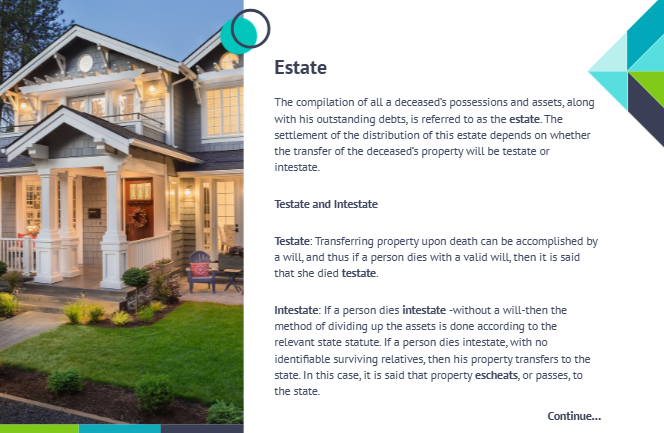
  • video An Introduction to Estate and Wills
    00:17:00

Frequently Asked Questions

1. What is a will?

A will is a legal document that outlines how a person's assets, property, and possessions should be distributed after their death. It can also appoint guardians for minor children and name executors to administer the estate.

2. What is the purpose of a trust?

A trust is a legal arrangement where assets are managed by a trustee on behalf of beneficiaries. Trusts can help protect assets, reduce inheritance tax in certain circumstances, and ensure wealth is distributed according to the settlor's wishes.

3. What does "disposition" mean in law?

A disposition refers to the legal transfer or distribution of property or assets. This may occur through a sale, gift, inheritance, or as directed by a will or trust.

4. What is probate?

Probate is the legal process of confirming a deceased person's will and granting authority to the executor to administer the estate, pay debts, and distribute assets to beneficiaries.

5. Is probate always required?

Not always. Probate may not be necessary if the estate is small or if assets are jointly owned and automatically pass to the surviving owner. Requirements depend on the nature and value of the estate.