Workplace Essential Training: Collaboration

Strong collaboration skills are considered a core Workplace Essential in today’s modern professional environment. As organisations increasingly rely on teamwork, …

(451 Reviews)

stds1264 Students

logo

Get access to 3000+ courses including this for a year only at £49. GET NOW

Workplace Essential Training: Collaboration

Workplace Essential Training: Collaboration

Join thousands of learners building a successful career

14-Day Money-Back Guarantee

Strong collaboration skills are considered a core Workplace Essential in today’s modern professional environment. As organisations increasingly rely on teamwork, digital communication, and cross-functional cooperation, the ability to collaborate effectively has become critical for productivity, innovation, and long-term business success. The Workplace Essential Training: Collaboration course is designed to help learners develop the communication, teamwork, and problem-solving skills needed to thrive in professional workplaces.

Whether you are beginning your career, working within a team-based environment, or aiming to improve workplace relationships and productivity, this course provides a practical and structured learning experience. It focuses on building effective collaboration habits, overcoming communication barriers, and using modern workplace tools to support successful teamwork.

Course Overview

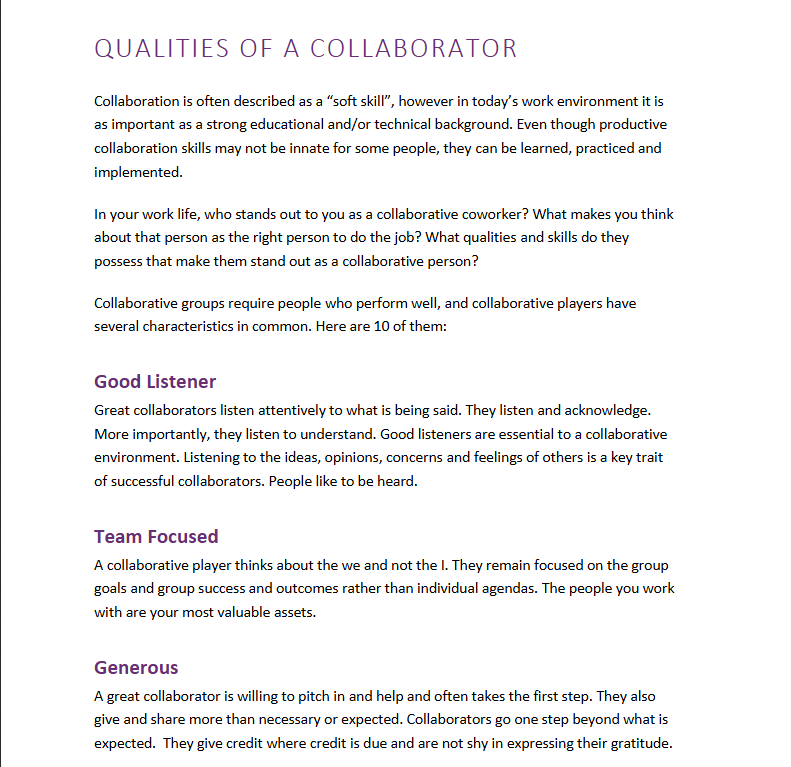
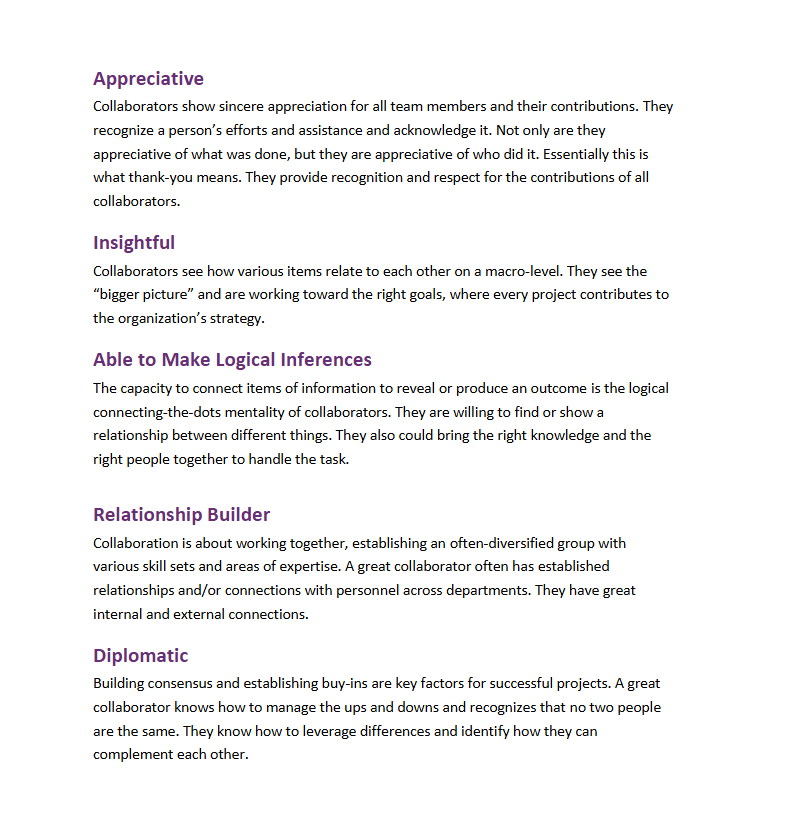
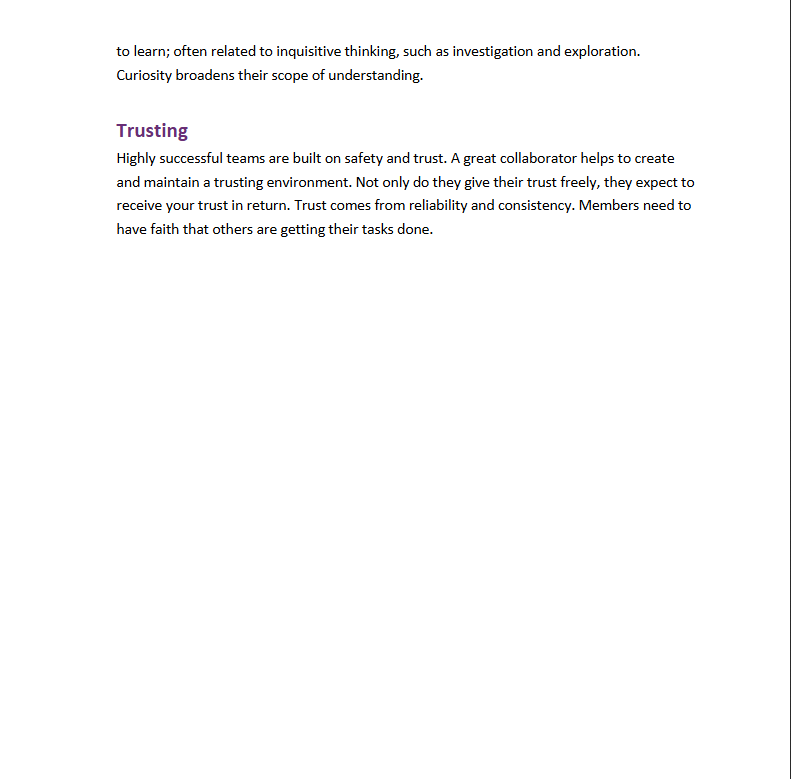
The Workplace Essential Training: Collaboration course helps learners understand why strong teamwork and effective communication are so important in today’s workplace. It covers the key skills needed to work well with colleagues, build positive professional relationships, and achieve shared goals across different working environments. Learners explore important aspects of collaboration such as trust, accountability, active listening, and mutual respect, while also discovering how effective teamwork can boost productivity, encourage innovation, improve problem-solving, and support better decision-making. The course addresses common challenges that can affect collaboration, including communication breakdowns, misunderstandings, conflict, and resistance to teamwork, providing practical strategies to overcome them and improve confidence when working with others.

It also examines the growing role of technology in supporting collaboration, from virtual meetings and digital communication tools to cloud-based platforms that help teams stay connected and work efficiently in both remote and office settings. Combining practical workplace examples with essential knowledge, the course equips learners with the skills and confidence needed to contribute effectively within team-based environments and develop strong professional relationships across a wide range of industries.

Course Preview

Learning Outcomes

By completing this Workplace Essential Training: Collaboration course, you will be able to:

  • Understand the importance of collaboration as a modern Workplace Essential
  • Identify the key characteristics of successful workplace collaboration
  • Develop effective communication and active listening skills
  • Build positive working relationships within professional teams
  • Understand how collaboration improves productivity and innovation
  • Recognise common workplace barriers that affect teamwork
  • Apply practical strategies to overcome collaboration challenges
  • Use workplace technology and digital tools to support team communication
  • Improve problem-solving and decision-making through collaborative methods
  • Demonstrate confidence in contributing effectively within team-based environments

Why Enrol in This Course?

Collaboration is one of the most valuable professional skills employers look for across all industries. As businesses continue to adopt team-focused working structures, employees with strong collaboration and communication skills are increasingly in demand.

Enrolling in this Workplace Essential Training: Collaboration course gives you the practical knowledge and confidence needed to work more effectively with colleagues, managers, and clients.

Key benefits include the following:

  • Gain practical understanding of collaboration in professional settings
  • Develop essential workplace communication and teamwork skills
  • Learn how to build productive and respectful workplace relationships
  • Understand strategies for overcoming common collaboration challenges
  • Improve confidence in team-based discussions and projects
  • Learn how workplace technology supports collaboration and productivity
  • Flexible online learning accessible anytime and anywhere
  • No prior experience required, making it ideal for beginners and professionals alike

This course is perfect for individuals looking to strengthen their teamwork abilities and improve overall workplace performance.

Who is this course for?

This Workplace Essential Training: Collaboration course is suitable for a wide range of learners, including:

  • Individuals starting their professional careers
  • Employees working within team-based environments
  • Office professionals seeking to improve workplace communication
  • Managers and supervisors aiming to strengthen team collaboration
  • Remote workers using digital collaboration tools
  • Students and graduates preparing for professional employment
  • Anyone interested in developing essential workplace skills

Whether you are new to professional environments or looking to strengthen your existing collaboration abilities, this course provides valuable practical knowledge and transferable skills.

Prerequisites

There are no formal entry requirements for this course. It is designed to be accessible to learners from all educational and professional backgrounds.

However, the following may be helpful:

  • Basic understanding of the English language
  • Interest in workplace communication and teamwork
  • Motivation to improve professional and interpersonal skills
  • Willingness to participate in collaborative work environments

This makes the course suitable for beginners as well as professionals seeking to upskill.

Assessment Method

To successfully complete the Workplace Essential Training: Collaboration course, learners will undertake an automated multiple-choice assessment designed to evaluate understanding of key collaboration concepts and workplace communication strategies.

The assessment ensures learners can apply practical knowledge to real-world workplace situations and team-based environments.

You will also gain access to supporting learning materials that reinforce collaboration principles, communication techniques, and professional teamwork practices.

Certification

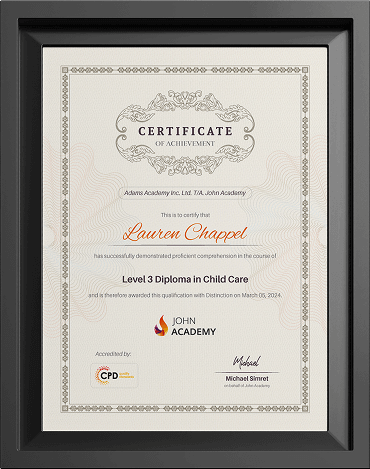
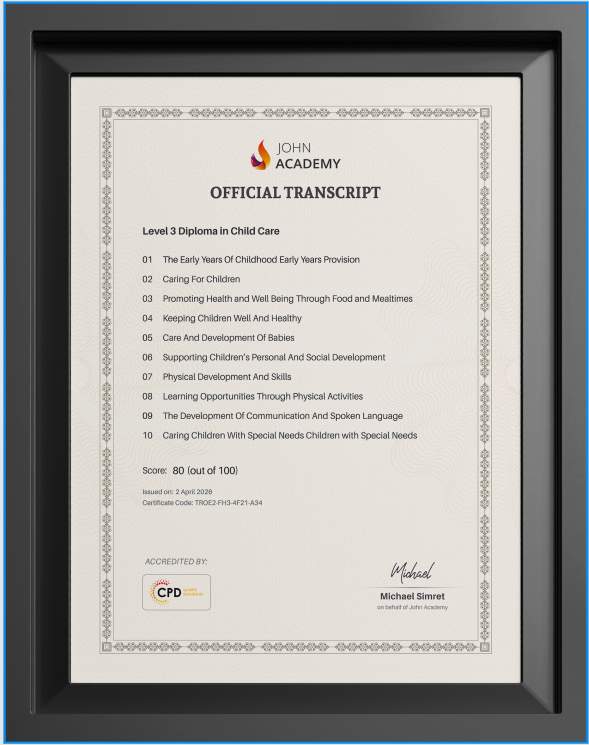
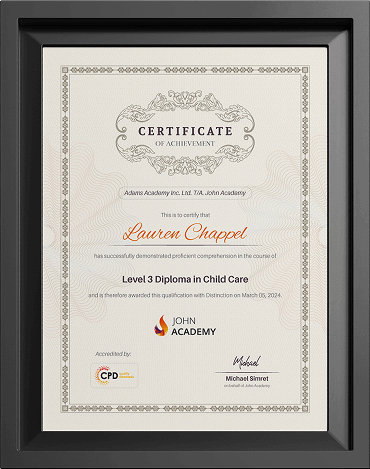
Upon successful completion of the course, learners will receive a certificate and transcript recognising their knowledge and skills in workplace collaboration and professional communication.

This certification demonstrates your understanding of collaboration as a core Workplace Essential and can help strengthen your CV when applying for professional roles across various industries.

You will receive:

  • A digital certificate for instant access
  • A printed certificate for professional use

This qualification supports your professional development and enhances your credibility in workplace communication and teamwork.

John-Certificate-MockupJohn-Certificate-Mockup

Career Path​

Completing this course can support career progression across a wide range of industries where collaboration and communication skills are highly valued.

Potential career opportunities include the following:

  • Administrative Assistant – £20,000 to £30,000 annually

Support office communication, coordination, and teamwork activities

  • Customer Service Representative – £22,000 to £35,000 annually

Work collaboratively with teams to improve customer satisfaction and service quality

  • Team Leader – £28,000 to £45,000 annually

Coordinate team activities and improve workplace collaboration

  • Office Coordinator – £25,000 to £40,000 annually

Manage communication and workflow across departments

  • Project Support Officer – £30,000 to £50,000 annually

Assist with collaborative projects, scheduling, and professional communication

  • Human Resources Assistant – £24,000 to £38,000 annually

Support employee engagement, communication, and team development initiatives

Course Curriculum

  • video Overview
    00:05:00
  • video Being Collaborative
    00:15:00
  • video Elements of Successful Collaboration
    00:30:00
  • video Benefits of Collaboration
    00:30:00
  • video Common Obstacles
    00:30:00
  • video Technology and Collaboration
    00:15:00

Frequently Asked Questions

1. What is workplace collaboration?

Workplace collaboration involves employees working together to achieve shared goals through communication, teamwork, and problem-solving. Effective collaboration improves productivity, innovation, decision-making, and creates a more positive and efficient working environment.

2. Why are collaboration skills important at work?

Collaboration skills help teams communicate effectively, share ideas, resolve conflicts, and complete tasks efficiently. Strong collaboration improves workplace relationships, boosts employee engagement, and supports successful project outcomes across different departments and teams.

3. What are common obstacles to workplace collaboration?

Common obstacles include poor communication, lack of trust, unclear responsibilities, conflicting goals, and resistance to teamwork. Identifying and addressing these challenges helps organisations build stronger collaboration and improve overall workplace performance.

4. How does technology improve team collaboration?

Technology improves collaboration by enabling instant communication, file sharing, virtual meetings, and project tracking. Digital tools help remote and in-office teams work efficiently together, increase productivity, and maintain smooth workflow coordination.

5. What are the benefits of successful collaboration?

Successful collaboration increases creativity, productivity, teamwork, and problem-solving abilities. It encourages knowledge sharing, strengthens workplace relationships, improves employee morale, and helps organisations achieve goals more effectively and efficiently.