Worm Farming Course

Sustainable agriculture and eco-friendly waste management are becoming essential in today’s world, and Worm Farming is one of the most …

(422 Reviews)

stds1258 Students

logo

Get access to 3000+ courses including this for a year only at £49. GET NOW

Worm Farming Course

Worm Farming Course

Join thousands of learners building a successful career
14-Day Money-Back Guarantee

Sustainable agriculture and eco-friendly waste management are becoming essential in today’s world, and Worm Farming is one of the most effective and profitable methods to achieve both. Also known as vermiculture or vermicomposting, worm farming transforms organic waste into nutrient-rich compost that improves soil health and supports sustainable food production. The Worm Farming Course is designed to equip learners with practical knowledge and essential skills to start, manage, and grow a successful worm farming system or business.

Whether you are a beginner, a gardening enthusiast, or an entrepreneur looking to enter the organic farming industry, this course provides a structured and practical learning experience. It focuses on composting techniques, worm care, farm design, and business development strategies needed to succeed in modern Worm Farming practices.

Course Overview

The Worm Farming Course offers a practical and easy-to-understand overview of vermiculture, helping learners discover how worms can turn everyday organic waste into nutrient-rich compost. Throughout the course, you’ll learn about different composting techniques, suitable worm species, farm setup, and effective population management to keep your system productive and healthy. It also explains the important role worms play in improving soil quality and supporting sustainable waste management practices. Whether you’re a home gardener looking to enrich your garden naturally or an entrepreneur interested in commercial worm farming, this course provides the knowledge and skills needed to design, maintain, and optimise a successful worm farming system.

The course also introduces the business side of Worm Farming, including how to start a worm farm business, market compost products, and generate income from sustainable practices. By combining practical techniques with business insights, this course prepares learners to apply their knowledge in real-world environments.

Learning Outcomes

By completing this Worm Farming Course, you will be able to:

  • Understand the fundamentals of Worm Farming and vermicomposting
  • Identify suitable worm species for compost production
  • Apply effective composting techniques for organic waste management
  • Design and set up a functional worm farming system
  • Manage worm health, feeding, and environmental conditions
  • Control and maintain a stable worm population
  • Differentiate between small-scale and large-scale worm farming systems
  • Explore various uses of compost and organic fertilisers
  • Develop strategies to start and grow a worm farming business
  • Apply practical knowledge to achieve long-term success in worm farming

Why Enroll in This Course?

The demand for sustainable farming solutions and organic fertilisers continues to grow worldwide. Worm Farming offers an eco-friendly and cost-effective way to recycle organic waste while generating valuable products for agriculture and gardening.

Enrolling in this course provides you with the knowledge and confidence to enter the growing field of sustainable agriculture and compost production.

Key benefits include the following:

  • Learn practical and profitable Worm Farming techniques
  • Understand eco-friendly composting methods
  • Reduce organic waste and support environmental sustainability
  • Develop skills for home gardening or commercial farming
  • Gain knowledge to start your own worm farming business
  • Learn both small-scale and large-scale farming methods
  • Flexible online learning accessible anytime, anywhere
  • No prior farming experience required

This course is ideal for anyone interested in sustainability, agriculture, or building an environmentally friendly business.

Who is this course for?

This Worm Farming Course is suitable for a wide range of learners, including:

  • Beginners interested in sustainable agriculture
  • Home gardeners looking to improve soil fertility
  • Farmers seeking eco-friendly fertiliser solutions
  • Entrepreneurs planning to start a Worm Farming business
  • Environmental enthusiasts focused on waste reduction
  • Students and individuals exploring green business opportunities
  • Anyone interested in composting and organic farming

Whether you are new to farming or looking to expand your knowledge, this course provides valuable insights and practical skills.

Prerequisites

There are no formal entry requirements for this course. It is designed to be accessible to learners from all backgrounds.

However, the following may be helpful:

  • Basic understanding of English
  • Interest in farming, gardening, or sustainability
  • Motivation to learn practical agricultural skills
  • Willingness to explore eco-friendly practices

This makes the course suitable for beginners as well as individuals looking to upskill in sustainable farming.

Assessment Method

To successfully complete the Worm Farming Course, learners will undertake an automated multiple-choice assessment. This ensures a clear understanding of key concepts and practical applications in Worm Farming.

The assessment covers composting techniques, worm management, farm design, and business strategies. Learners will also have access to supporting materials to reinforce their understanding and improve practical knowledge.

Certification

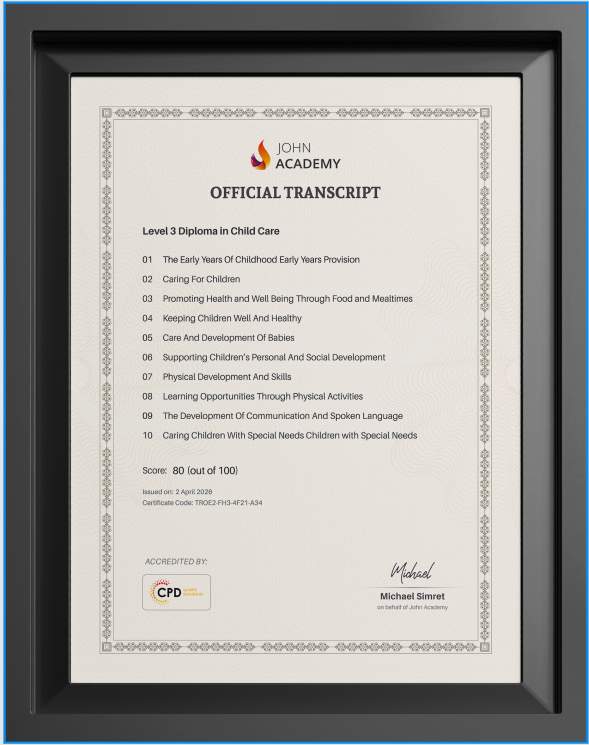
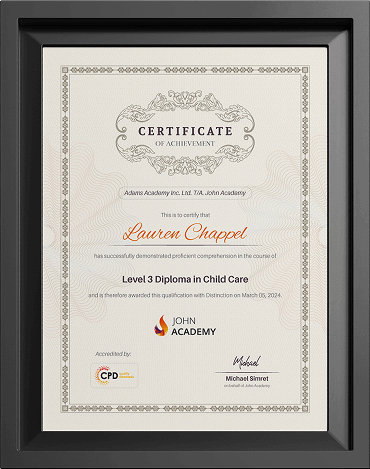
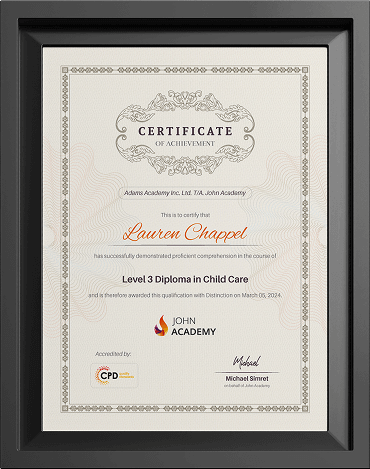
Upon successful completion of the course, learners will receive a certificate and transcript recognising their knowledge and skills in worm farming and composting.

This certification demonstrates your understanding of Worm Farming principles and sustainable agricultural practices, helping to strengthen your professional profile.

You will receive:

  • A digital certificate for instant access
  • A printed certificate for professional use

This qualification supports your personal and professional development in the field of sustainable farming.

John-Certificate-MockupJohn-Certificate-Mockup

Career Path​

Completing this course opens the door to a variety of opportunities in agriculture, sustainability, and eco-friendly business sectors. With increasing demand for organic products and sustainable solutions, Worm Farming skills are highly valuable.

Potential career roles include the following:

Worm Farm Owner / Entrepreneur – £20,000 to £60,000+ annually

Start and manage a worm-farming business

Organic Farming Specialist – £22,000 to £45,000 annually

Use composting techniques to improve crop production

Composting Consultant – £25,000 to £50,000 annually

Advise businesses and individuals on waste management solutions

Sustainability Advisor – £30,000 to £60,000 annually

Promote eco-friendly farming and waste reduction practices

Agricultural Technician – £20,000 to £40,000 annually

Support farming operations using sustainable methods

Course Curriculum

  • video Introduction
    00:15:00
  • video Composting
    00:30:00
  • video Worms You Should Need to Produce Worms
    00:15:00
  • video Worm Farming Design
    00:30:00
  • video Vermicomposting
    00:30:00
  • video Small And Large Scale Worm Farms
    00:15:00
  • video How The Worm Population Is Controlled
    00:15:00
  • video Other Things You Can Do With Compost
    00:15:00
  • video Starting A Worm Farm Business
    00:15:00
  • video How To Be Successful With Your Worm Farm
    00:15:00

Frequently Asked Questions

1. What is worm farming and vermicomposting?

Worm farming, or vermicomposting, uses worms to break down organic waste into nutrient-rich compost. It’s an eco-friendly method that improves soil health, reduces waste, and produces high-quality fertilizer for gardens, farms, and commercial use.

2. How do I start a worm farm at home?

Start by choosing a container, adding bedding material, introducing composting worms, and feeding them organic waste. Maintain moisture, temperature, and airflow to create an ideal environment for efficient compost production.

3. What worms are best for composting?

Red wigglers and other composting worms are ideal because they efficiently break down organic matter. They thrive in controlled environments and produce high-quality vermicompost, making them suitable for both small-scale and commercial worm farming.

4. How can I build a successful worm farm business?

A successful worm farm business requires proper system design, consistent compost production, quality control, and marketing. Selling worms, compost, and related products can generate income while supporting sustainable agriculture and waste management.

5. How do you maintain and control worm populations?

Maintain worm populations by providing adequate food, moisture, and space. Regular monitoring, proper bin management, and avoiding overfeeding help control population growth, prevent odor, and ensure a healthy, productive worm farming system.