Diploma in Body Language
 1140 Students

Save 91.04 % - Offer ENDS SOON

 Access All Courses for Only £49
 14-Day Money-Back Guarantee
-
1 Year Access
 -
Level 3 - Diploma Skill Level
 -
1 week Duration

Learning Outcomes of Diploma in Body Language:
- -> Understand how body language helps when communicating
- -> Explore the tricks to read people’s minds
- -> Learn to read and understand facial expressions, eye contact, hand gestures and more
- -> Be able to improve the way you communicate and connect
- -> Find great tips for better body language
Who is the Course for?
This Diploma in Body Language course is suitable for anyone interested in understanding body language to communicate and connect better.
Entry Requirement for Diploma in Body Language
- -> This course is available to all learners of all academic backgrounds.
- -> Learners should be aged 16 or over to undertake the qualification.
- -> Good understanding of English language, numeracy, and ICT are required to attend this course.
Assessment
At the end of the course, you are to sit for an online multiple-choice test. Your test will be assessed automatically and immediately so that you will instantly know whether you have been successful.
Before sitting for your final exam, you will have the opportunity to test your proficiency with a mock exam.
Certificate of Achievement
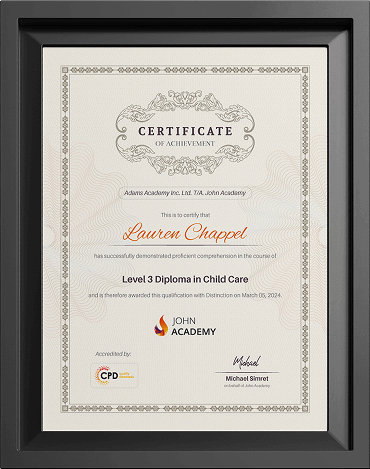
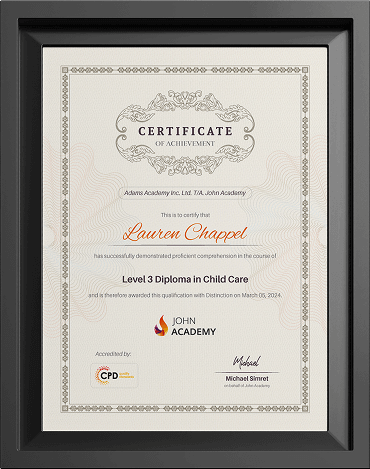
After completing this course successfully, you will be able to obtain an Accredited Certificate of Achievement. Certificates & Transcripts can be obtained either in Hardcopy at £14.99 or in PDF format at £11.99.
Why Choose Us?
- -> Affordable, well-structured and high-quality e-learning study materials
- -> Engaging tutorial videos, materials from the industry-leading experts
- -> Opportunity to study in a user-friendly, advanced online learning platform
- -> Efficient exam systems for the assessment and instant result
- -> UK & internationally recognised accredited qualification
- -> Access the course content on mobile, tablet, or desktop from anywhere, anytime
- -> Excellent career advancement opportunities
- -> 24/7 student support via email.
Career Path
Diploma in Body Language Course provides useful skills to possess and would be beneficial for the following professionals:
- -> Body Language Trainer
- -> Communications Specialist
- -> Counsellor
- -> Teacher
- -> Psychologist
- -> Psychotherapist.
-
 Body Language Masterclass Communication Through Movement Preview 00:06:00
 -
How You Communicate Nonverbally Through Your Body 00:04:00
-
Reading and Understanding Non-Verbal Communication 00:04:00
-
The Importance of Non-Verbal Communication in Business 00:05:00
-
Branding Yourself with Non-Verbal Communication 00:03:00
-
Digital nonverbal communication 00:05:00
-
Emoticons 00:04:00
-
Paralanguage 00:04:00
-
GIFs 00:04:00
-
The Importance of Nonverbal Elements in Online Chat 00:04:00
-
Nonverbal Communication Impacts Your Brand 00:04:00
-
Building a Personal Brand That Will Boost Your Career 00:04:00
-
7 Steps To Creating A Strong And Successful Small Business Brand 00:05:00
-
Benefits that Strong and Positive Body Language 00:04:00
-
How Much is Your Body Language Costing You 00:05:00
-
The Eyes 00:04:00
-
Facial Expressions 00:04:00
-
Gestures 00:04:00
-
Arms & Legs 00:03:00
-
Posture a Physical Space 00:02:00
-
Pay Close Attention to Physical Movement While Other Person Speaking 00:04:00
-
Maintain Comfortable Eye contact 00:04:00
-
Difference Between Open and Closed Body Stance 00:04:00
-
When to Stand and Why It’s Polite — The Most Up-to-Date Manners 00:03:00
-
The Position of Seating in a Meeting 00:04:00
-
The Importance of Eye Contact 00:04:00
-
The Importance of Good Posture 00:04:00
-
What a Firm Handshake Means 00:04:00
-
Watch for Genuine Smiles 00:04:00
-
Pay Attention When Someone Stands Close to You 00:04:00
-
Making a Good First Impression 00:03:00
-
Professional Speakers Use Non-Verbal Communication 00:03:00
-
Helps You Excel at Job Interviews 00:04:00
-
Enables You to Handle Performance Reviews with Poise 00:04:00
-
Allows You to Move Easily Through Everyday Life 00:05:00
-
Review 00:04:00
-
Assignment – Ultimate Body Language 02:28:00
-
What Is Body Language 00:15:00
-
How to Read Body Language 00:30:00
-
How to Read People’s Minds 00:30:00
-
How To Understand Eyes Contact 00:15:00
-
The Role of Head and Face in Body Language 00:30:00
-
The Role of Neck, Chest and Back in Body Language 00:15:00
-
The Role of Hands and Arms in Body Language 00:30:00
-
The Role of Legs in Body Language 00:15:00
-
The Role of the Lips in Body Language 00:15:00
-
Tips to Improve Body Language 00:15:00
-
Wrapping Up 00:15:00
-
Introduction 00:15:00
-
Aggressive Body Language 00:15:00
-
Attentive Body Language 00:15:00
-
Closed Body Language 00:30:00
-
Deceptive Body Language 00:30:00
-
Defensive Body Language 00:15:00
-
Dominant Body Language 00:15:00
-
Emotional Body Language 00:30:00
-
Evaluating Body Language 00:15:00
-
Greeting Body Language 00:30:00
-
Open Body Language 00:15:00
-
Relaxed Body Language 00:15:00
-
Power Body Language 00:15:00
-
Ready Body Language 00:15:00
-
Romantic Body Language 00:15:00
-
Submissive Body Language 00:15:00
-
Conclusion 00:15:00
-
Module One – Getting Started 00:30:00
-
Module Two – Communicating with Body Language 01:00:00
-
Module Three – Reading Body Language 01:00:00
-
Module Four – Body Language Mistakes 00:30:00
-
Module Five – Gender Differences 00:30:00
-
Module Six – Nonverbal Communication 01:00:00
-
Module Seven – Facial Expressions 02:00:00
-
Module Eight – Body Language in Business 01:00:00
-
Module Nine – Lying and Body Language 01:00:00
-
Module Ten – Improve Your Body Language 01:00:00
-
Module Eleven – Matching Your Words to Your Movement 01:00:00
-
Module Twelve – Wrapping Up 00:30:00
-
Effective Communication: Body Language- Activities
-
Order Your Certificates and Transcripts
-
Share your Feedback
Frequently Asked Questions
Body language strengthens verbal communication by expressing emotions, intentions, and confidence. Understanding gestures, facial expressions, and posture allows you to connect better, engage audiences, and convey messages more effectively in personal and professional settings.
Key cues include facial expressions, eye contact, gestures, posture, and tone. Recognising and interpreting these signals helps you understand others’ emotions, respond appropriately, and improve interpersonal communication for career and personal success.
Reading body language enhances awareness of colleagues’ feelings, improves relationships, and boosts negotiation, presentation, and leadership skills. Professionals who master non-verbal cues gain a competitive edge and are perceived as more confident and persuasive.
Improving non-verbal communication requires practicing gestures, maintaining eye contact, controlling posture, and monitoring facial expressions. Consistency between verbal and non-verbal signals builds trust, credibility, and stronger connections in both business and personal interactions.
Body language communicates confidence, clarity, and emotional intelligence. Mastering non-verbal cues helps influence others, manage impressions, and establish authority, making it essential for leaders, trainers, counsellors, and professionals aiming for career advancement.