Table of Contents
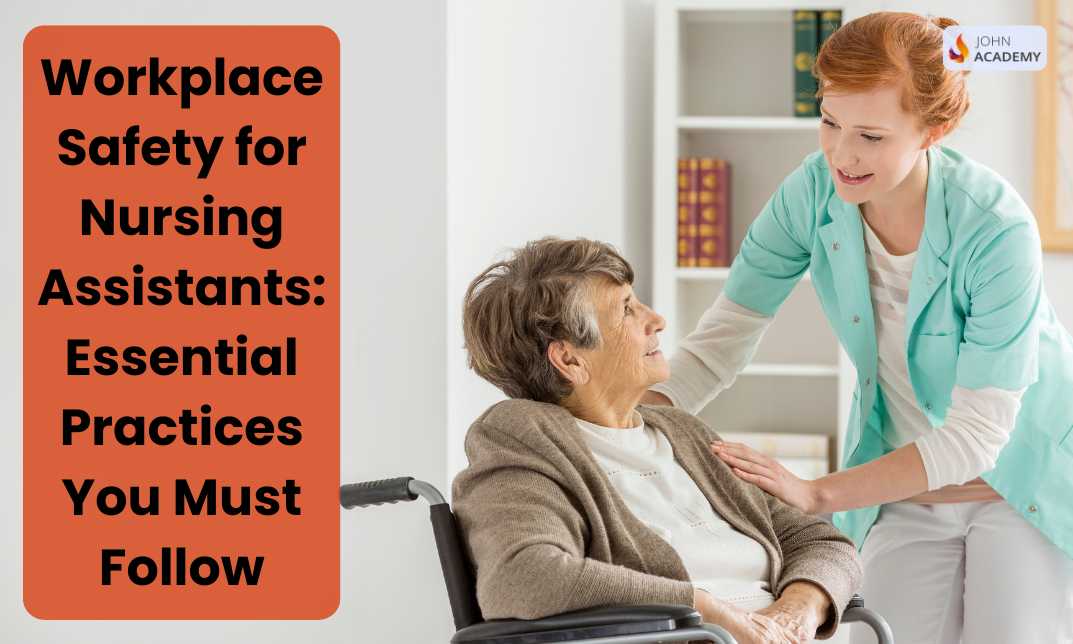
Workplace safety for nursing assistants is not just a guideline—it is a daily responsibility that directly affects patient care, staff wellbeing, and overall healthcare quality. From handling patients safely to preventing infections, every action you take plays a role in maintaining a secure and supportive environment.
By following essential safety practices, nursing assistants can reduce risks, prevent injuries, and deliver better care with confidence.
In this guide, you’ll learn:
- What workplace safety means in healthcare
- Common hazards nursing assistants face
- Essential safety practices you must follow
- Safe patient handling and infection control techniques
- How to build long-term safe working habits
What Workplace Safety Means for Nursing Assistants
Workplace safety in healthcare refers to the actions and behaviours that protect both patients and staff from harm. For nursing assistants, this includes everything from safe lifting techniques to proper hygiene practices.
Because nursing assistants spend the most time with patients, they are often the first to notice risks such as changes in condition, environmental hazards, or unsafe behaviour. This makes their role critical in maintaining patient safety and preventing workplace incidents.
A safe work environment helps:
- Reduce injuries and accidents
- Prevent the spread of infections
- Improve patient comfort and trust
- Support better teamwork and communication
Common Workplace Hazards in Healthcare Settings
Understanding risks is the first step to improving safety. Nursing assistants regularly face different types of hazards, including:
1. Physical Hazards
- Slips, trips, and falls from wet or cluttered floors
- Injuries from improper lifting or moving patients
- Exposure to bodily fluids
2. Environmental Hazards
- Poor lighting or blocked walkways
- Noise that affects communication
- Unsafe room layouts
3. Emotional and Behavioural Risks
- Aggressive or confused patients
- Stress and burnout from heavy workloads
Recognising these hazards early allows nursing assistants to take action before problems become serious.
Nursing Assistant Salary Table (UK)
| Job Role | Average Salary (UK) | Experience Level |
|---|---|---|
| Trainee Nursing Assistant | £18,000 – £21,000 | Beginner |
| Junior Nursing Assistant | £20,000 – £24,000 | Entry-Level |
| Nursing Assistant (Band 2) | £22,000 – £25,000 | Mid-Level |
| Senior Healthcare Assistant | £25,000 – £30,000 | Experienced |
| Specialist Care Assistant | £28,000 – £35,000+ | Advanced |
| Office Assistant | £20,000 – £27,000 | Entry-Level |
| Junior Office Executive | £23,000 – £32,000 | Mid-Level |
What Affects a Nursing Assistant’s Salary?
Several factors influence how much a nursing assistant earns:
- Experience level – More experience leads to higher pay
- Location – Cities like London often offer higher salaries
- Employer type – NHS roles follow fixed pay bands, while private roles vary
- Specialisation – Skills in dementia care or clinical support can increase earnings
9 Essential Workplace Safety Practices You Must Follow
Strong daily habits are the foundation of workplace safety. These key practices help reduce risks and improve patient care.
1. Stay Alert and Aware
Always check your surroundings before starting any task. Look for spills, clutter, or unsafe equipment.
2. Communicate Clearly
Effective communication prevents mistakes. Always confirm patient identity and explain procedures before starting.
3. Follow Care Plans Strictly
Care plans are designed to protect patients. Always follow instructions carefully to avoid errors.
4. Maintain Accurate Documentation
Record all tasks, observations, and incidents clearly. This ensures continuity of care and improves safety.
5. Use Proper Body Mechanics
Protect your body by lifting correctly:
- Bend your knees
- Keep loads close
- Avoid twisting
6. Report Concerns Early
If something feels unsafe, report it immediately. Early action prevents serious incidents.
7. Follow Infection Control Procedures
- Wash hands regularly
- Use PPE correctly
- Clean equipment after use
8. Protect Patient Dignity
Respect privacy and ensure patient comfort during care. Emotional safety is just as important as physical safety.
9. Manage Stress Effectively
Take breaks, ask for help, and recognise signs of burnout. A calm mind leads to safer decisions.
Safe Patient Handling Techniques
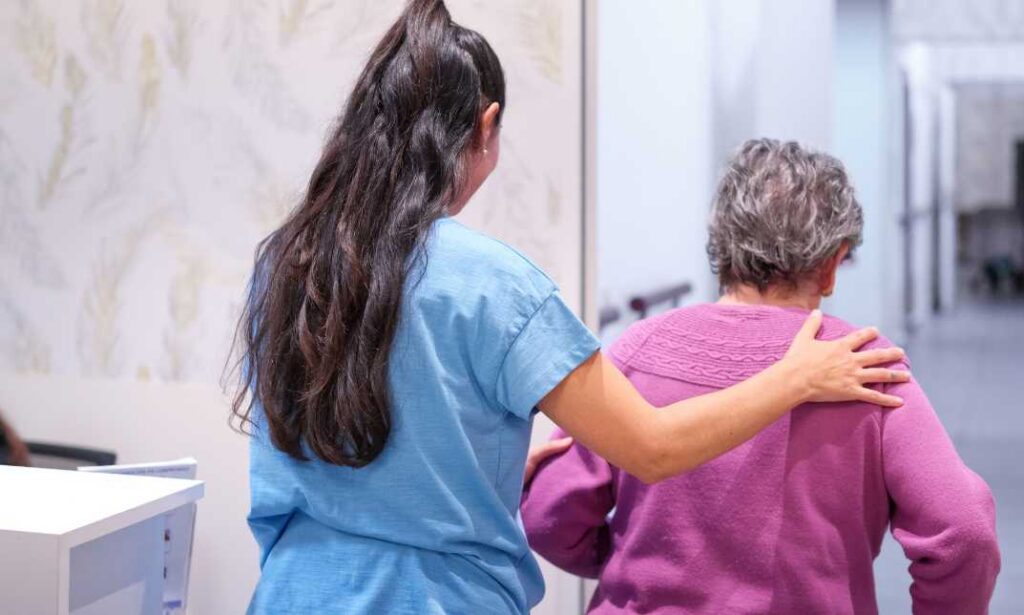
Handling patients safely is one of the most important responsibilities of a nursing assistant. Incorrect techniques can lead to serious injuries for both staff and patients.
Key Tips for Safe Handling:
- Adjust bed height before moving patients
- Use equipment like hoists or slide sheets
- Ask for help when needed
- Assess the patient’s mobility before moving them
Preventing falls is also essential. Keep floors clear, ensure proper lighting, and make sure patients have access to support when moving.
Infection Control: Protecting Patients and Yourself
Infection control is a core part of workplace safety in healthcare.
Standard Safety Measures:
- Wash hands before and after every patient interaction
- Wear gloves, masks, and aprons when required
- Dispose of waste correctly
- Avoid cross-contamination
These steps help reduce the spread of illness and create a safer environment for everyone.


Dealing with Workplace Violence and Challenging Behaviour
Nursing assistants may sometimes face difficult situations with patients. Knowing how to respond can prevent harm.
De-escalation Techniques:
- Stay calm and speak gently
- Give the patient space
- Avoid sudden movements
- Listen and acknowledge concerns
If a situation becomes unsafe, always seek help and follow workplace procedures.
Reporting Incidents and Improving Safety
A safe workplace depends on clear reporting and teamwork.
You should always report:
- Accidents or near misses
- Equipment faults
- Changes in patient condition
- Unsafe behaviour
Accurate reporting helps healthcare teams improve safety systems and prevent future incidents.
Why Training and Continuous Learning Matter

Ongoing training helps nursing assistants stay updated with the latest safety practices.
Recommended training areas include:
- Manual handling
- Infection control
- Patient care techniques
- Behaviour management
Continuous learning improves confidence, reduces risks, and supports career growth.
Recommended Training for Nursing Assistants (Internal Linking Section)
To improve your skills and workplace safety knowledge, consider enrolling in:
Infection Control Training Course
Manual Handling Training for Healthcare Workers
These courses help you develop essential skills needed to work safely and confidently in healthcare environments.
Conclusion
Workplace safety for nursing assistants is built on awareness, consistency, and strong daily habits. By following essential safety practices, you can protect yourself, support your team, and provide better care for patients.
Creating a safe environment is not a one-time effort—it is a continuous process that grows with experience and learning.
Frequently Asked Questions (FAQs)
Nursing assistants are responsible for maintaining patient safety, following care plans, using safe lifting techniques, practising infection control, and promptly reporting hazards or incidents.
Nursing assistants can reduce fall risks by keeping floors clear, ensuring proper lighting, assisting patients during movement, and regularly checking mobility and stability.
Personal Protective Equipment (PPE) helps protect nursing assistants and patients from infections. It includes gloves, masks, and aprons used during care tasks to prevent contamination.
Clear communication helps prevent mistakes, ensures proper patient care, and allows healthcare teams to respond quickly to changes or emergencies.
Proper manual handling reduces the risk of injury to both staff and patients by using correct lifting techniques, posture, and support equipment.
Trending Posts
Learn smarter, grow faster
Explore our blogs and take your skills to the next level.


Course Categories
- Accounting & Finance
- Animal Care
- Beauty & Wellness
- Business
- Business & Management
- Career Bundles
- Employability
- English Language / Adult Education
- Finance
- Health & Fitness
- Healthcare, Safety & Fitness
- Hospitality
- HR and Leadership
- interactive course
- IT & Development
- IT, Software & Technology
- Job Ready Programme
- Language
- Lifestyle
- Management
- Marketing
- Personal Development
- Photography & Video
- Project Management
- Psychology
- Security
- Sports
- Teaching & Education
- Technology
- Therapy
- Web Development