Windows 10 Instolation Training Course
 4 Students


 14-Day Money-Back Guarantee
-
1 Year Access
 -
Intermediate Skill Level
 -
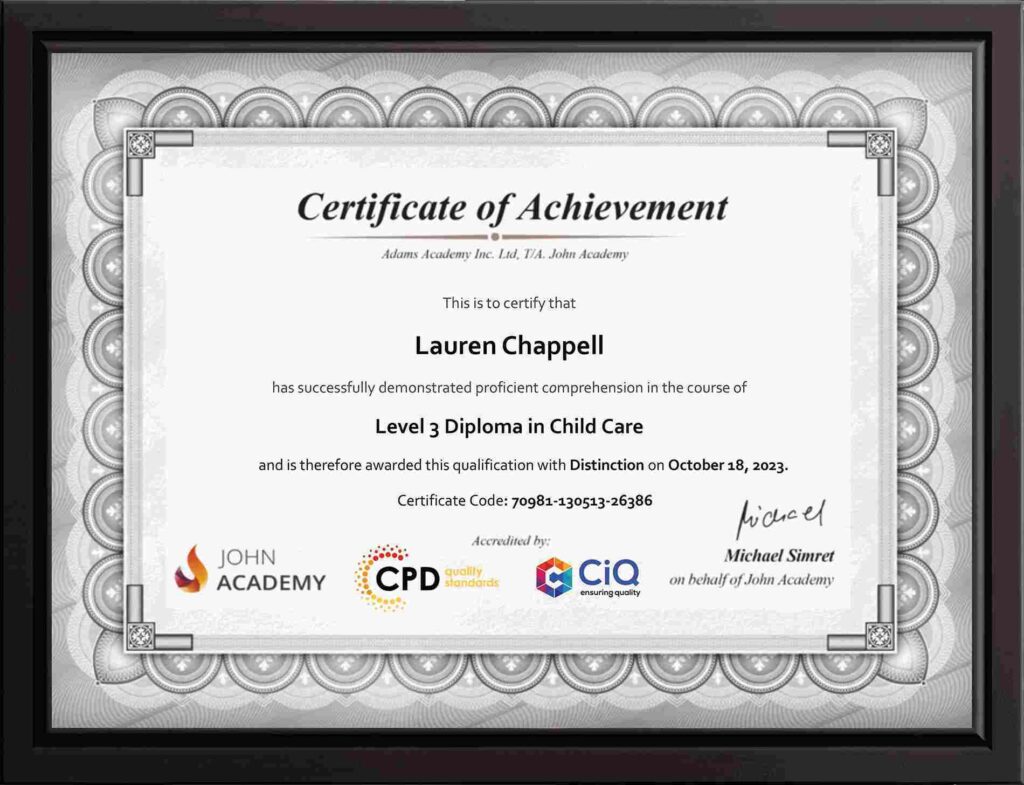
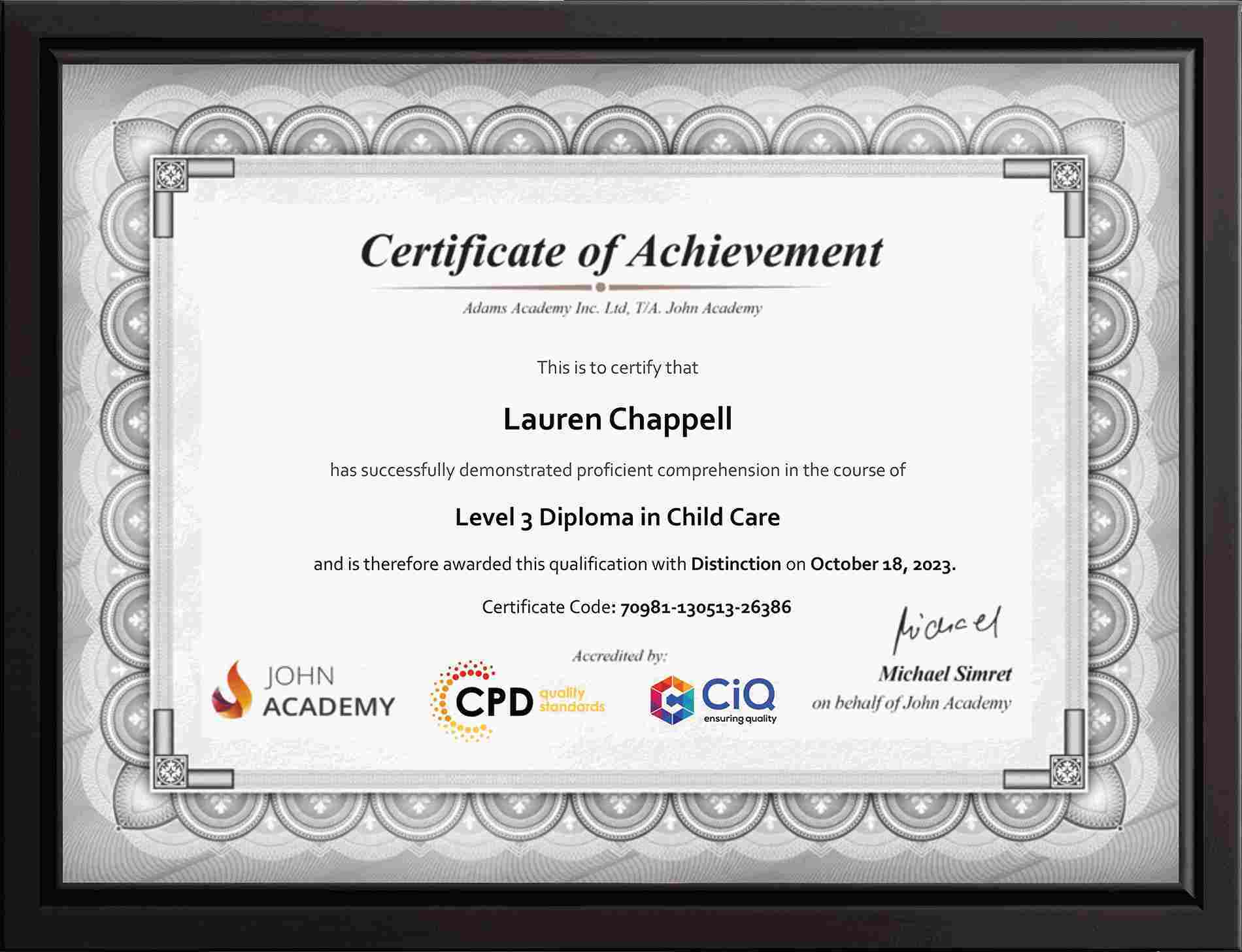
Course Certificate Certificate
 -
53 Units
Units -
0 Quizzes
 -
9 hours, 32 minutes Duration




-
 Introduction 00:08:00
-
Lab presentation 00:15:00
-
Windows 10 presentation 00:13:00
-
Windows 10 presentation part 2 00:06:00
-
Build versions and versions 00:07:00
-
Windows 10 editions 00:11:00
-
How to deploy 00:08:00
-
USMT Export your settings 00:09:00
-
USMT import your settings 00:11:00
-
Min hardware and features 00:07:00
-
Windows WDS 00:24:00
-
Autopilot 00:12:00
-
Try Autopilot 00:03:00
-
Autopilot prepare your VM 00:07:00
-
Prepare Azure AD and import the device 00:13:00
-
Create the Intune profile 00:06:00
-
AutoPilot first use on the device 00:13:00
-
Install Windows 10 Part1 00:13:00
-
Install Windows 10 Part2 00:08:00
-
Activation 00:04:00
-
ADK 00:18:00
-
Windows Update Rings 00:10:00
-
Windows Update 00:18:00
-
Powershell in Windows 10 00:23:00
-
Windows 10 devices and drivers 00:23:00
-
Network presentation. Static and dynamic config 00:15:00
-
Diagnostics Tools 00:10:00
-
DNS Service 00:11:00
-
Wifi in Windows 10 00:04:00
-
Remote Access In Windows 10 00:10:00
-
Manage storage in Windows 10 00:15:00
-
Storage Space and Cloud Drive 00:09:00
-
How to install Application and Apps 00:15:00
-
Deploy applications with Group Policy and Intune 00:21:00
-
Access your APPS and Desktop with CItrix ! 00:03:00
-
Office 365 Click 2 Run 00:06:00
-
Windows store for business 00:04:00
-
Edge and Chromium 00:23:00
-
Windows 10 type of accounts 00:13:00
-
Windows Hello and domain policy Password 00:10:00
-
UAC 00:05:00
-
Device registration SSO 00:04:00
-
File systems and permissions 00:03:00
-
Labs on permissions NTFS 00:11:00
-
Malware and threat protections 00:12:00
-
Most used tools 00:12:00
-
Sysinternals and PSR 00:04:00
-
Registry 00:24:00
-
Performance settings and file history 00:14:00
-
Azure Backup 00:11:00
-
Best practices 00:04:00
-
Exam be Ready 00:09:00
-
Order Your Certificates and Transcripts
What Our Students are Saying

Sam Carpenter
John Academy has helped me in my development, and I took the courses seriously and gained a qualifications certificate, which I've wanted to do for a long time. I highly recommend it, and a few friends have signed up, too. Thank you, John Academy.
Georgina Salazar
Easy to access, generous options for multiple learning and approaches. Supportive team.
Wayne Wright
The course empowers me to make my dreams come true. The course material was excellent. John Academy is good to study.
Romina
I am thankful that I have chosen John Academy for my online courses. It has given me a platform where I have learned a lot. It has so many reading materials with a handful of knowledge. Once again, thank you so much to the John Academy support team, who has cooperated & supported me throughout this journey.
Peter Gilbert
Brilliant course, with so many to choose from, very good value and a certificate at the end. Quick turnaround to receive a certificate. Very good academy I have completed several and have 2 ongoing at the moment. Never had any problems. Excellent customer service. Would recommend.

Other Students Also Bought