Car Maintenance Course
 1027 Students

 14-Day Money-Back Guarantee
-
1 Year Access
 -
Level 2 - Certificate Skill Level
 -
Course Certificate Certificate
 -
15 Units
Units -
2 Quizzes
 -
8 hours, 10 minutes Duration


Description:
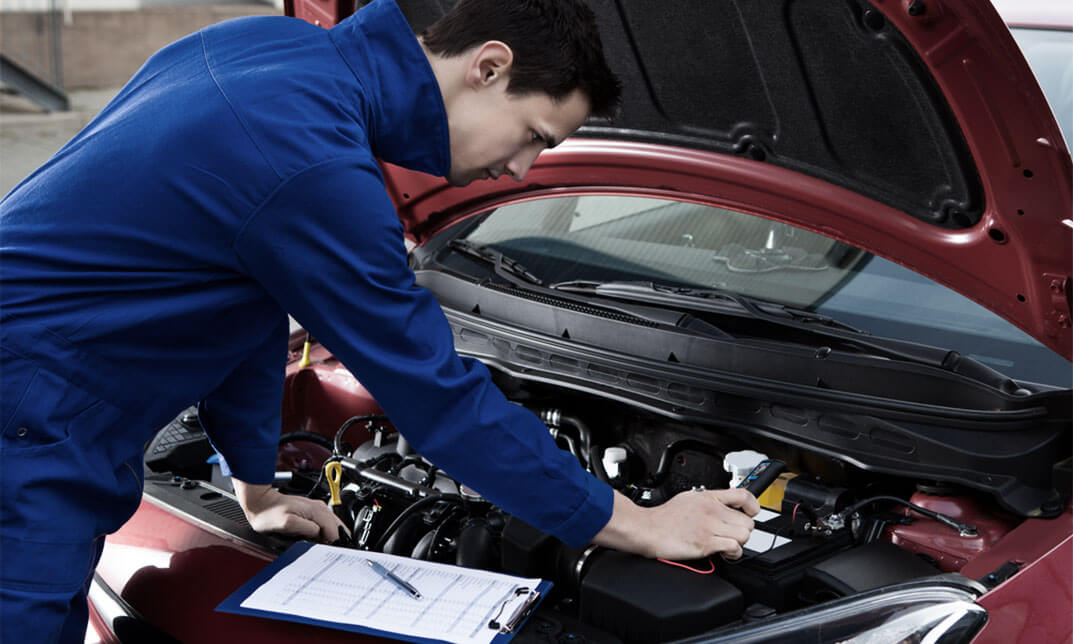
The first car ever made was around 1885, which was a massive step for mankind. Cars make our lives so much easier by providing us quick and easy transport to anywhere we want. Modern automobile industry has also seen a lot of innovation and produced cars that are roomy or fast or luxurious, basically feeding all the niches. But what goes in the car? Well to find that you need to get this Car Maintenance Course.
This course will initially introduce you to general safety rules and tools you will need to explore underneath the hood of your car. You will get a quick guide to general maintenance which will allow you to take good care of your car with ease. Following that you will discover more about dashboard indicators, tires, IC engines and engine oil. Finally you take a schematic view on the cooling system, fuel system, electrical system, drive train, brakes and understand a bit about the auto repair industry.
Getting this course would be a great idea for anyone, because it doesn’t just help you take care of your car as you can utilize the skills developed professionally as well.
Who is the Car Maintenance Course for?
- Anyone who has an interest in the working mechanism of cars
- Professionals seeking jobs in the automotive industry
Entry Requirement:
- This course is available to all learners, of all academic backgrounds.
- Learners should be aged 16 or over to undertake the qualification.
- Good understanding of English language, numeracy and ICT are required to attend this course.
Assessment:
- At the end of the course, you will be required to sit an online multiple-choice test. Your test will be assessed automatically and immediately so that you will instantly know whether you have been successful.
- Before sitting for your final exam, you will have the opportunity to test your proficiency with a mock exam.
Certification:
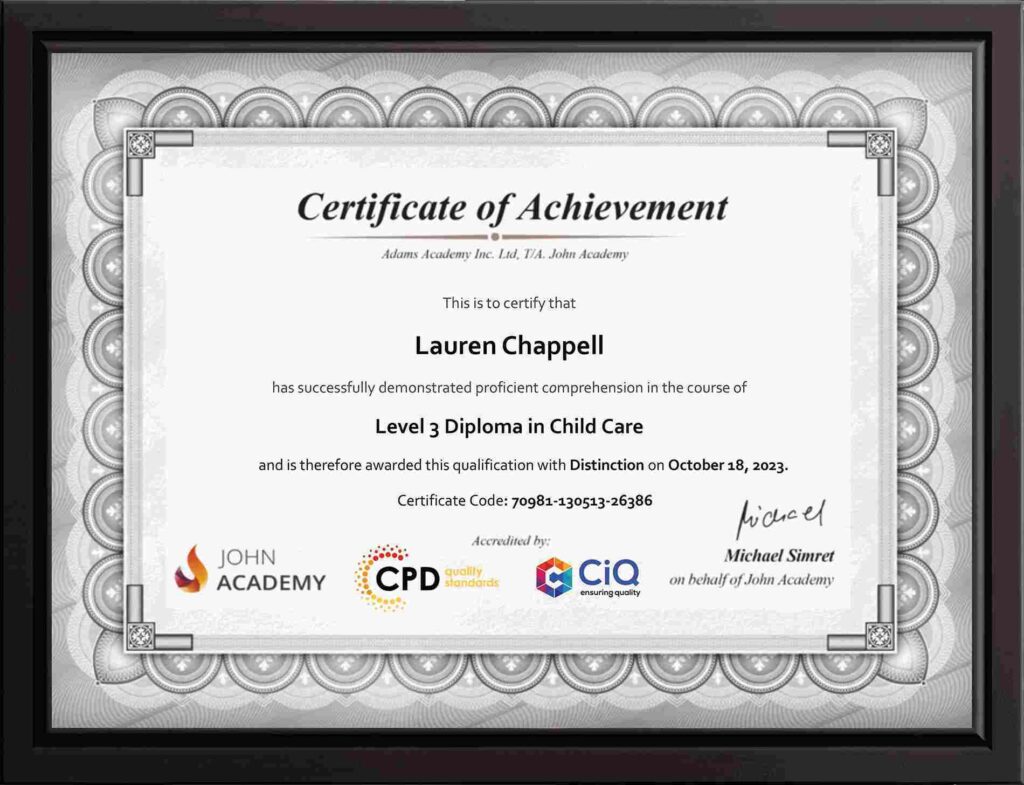
- After you have successfully passed the test, you will be able to obtain an Accredited Certificate of Achievement. You can however also obtain a Course Completion Certificate following the course completion without sitting for the test. Certificates can be obtained either in hardcopy at the cost of £39 or in PDF format at the cost of £24.
- PDF certificate’s turnaround time is 24 hours, and for the hardcopy certificate, it is 3-9 working days.
Why choose us?
- Affordable, engaging & high-quality e-learning study materials;
- Tutorial videos/materials from the industry leading experts;
- Study in a user-friendly, advanced online learning platform;
- Efficient exam systems for the assessment and instant result;
- The UK & internationally recognized accredited qualification;
- Access to course content on mobile, tablet or desktop from anywhere anytime;
- The benefit of career advancement opportunities;
- 24/7 student support via email.
Career Path:
Car Maintenance Course is a useful qualification to possess and would be beneficial for any professions or career from any industry you are in such as:
- Mechanic
- Car Enthusiast
- Engineers
- Car Designers
-
 Chapter 1: Safety Rules & Introduction to Tools 01:00:00
 -
Chapter 2: General Maintenance 01:00:00
-
Chapter 3: Dashboard Indicator Lights 00:30:00
-
Chapter 4: Tires 01:00:00
-
Chapter 5: Internal Combustion Engines & Engine Oil 01:00:00
-
Chapter 6: The Cooling System 00:30:00
-
Chapter 7: The Fuel System 00:30:00
-
Chapter 8: The Electrical System 00:30:00
-
Chapter 9: The Drive Train 00:30:00
-
Chapter 10: Brakes 00:30:00
-
Chapter 11: The Auto Repair Industry 00:30:00
-
Recommended Reading: Car Mechanic Course
-
Refer A Friend
What Our Students are Saying

Sam Carpenter
John Academy has helped me in my development, and I took the courses seriously and gained a qualifications certificate, which I've wanted to do for a long time. I highly recommend it, and a few friends have signed up, too. Thank you, John Academy.
Georgina Salazar
Easy to access, generous options for multiple learning and approaches. Supportive team.
Wayne Wright
The course empowers me to make my dreams come true. The course material was excellent. John Academy is good to study.
Romina
I am thankful that I have chosen John Academy for my online courses. It has given me a platform where I have learned a lot. It has so many reading materials with a handful of knowledge. Once again, thank you so much to the John Academy support team, who has cooperated & supported me throughout this journey.
Peter Gilbert
Brilliant course, with so many to choose from, very good value and a certificate at the end. Quick turnaround to receive a certificate. Very good academy I have completed several and have 2 ongoing at the moment. Never had any problems. Excellent customer service. Would recommend.

Other Students Also Bought