The Industrial Revolution in Great Britain Course

Understanding the origins of modern industry is essential for anyone interested in history, economics, or technological development. The Industrial Revolution …

(338 Reviews)

stds1108 Students

logo

Get access to 3000+ courses including this for a year only at £49. GET NOW

The Industrial Revolution in Great Britain Course

The Industrial Revolution in Great Britain Course

Join thousands of learners building a successful career
14-Day Money-Back Guarantee

Understanding the origins of modern industry is essential for anyone interested in history, economics, or technological development. The Industrial Revolution in Great Britain course provides a comprehensive exploration of one of the most transformative periods in human history. This era reshaped societies, economies, and industries, laying the foundation for the modern world we live in today.

The Industrial Revolution in Great Britain marked a major shift from agrarian economies to industrialised manufacturing systems. It introduced groundbreaking innovations such as mechanised production, steam power, and advanced engineering techniques. This course is designed to help learners understand how these changes influenced global development and continue to impact modern industries.

Whether you are a student, history enthusiast, or professional seeking to expand your knowledge, this course offers a structured and engaging learning experience focused on the historical, social, and technological aspects of industrialisation.

Course Overview

The Industrial Revolution in Great Britain was a turning point in history that changed the way people lived and worked. This course explores how Britain became the first industrial nation through innovations in technology, the availability of natural resources, and new ways of organising labour. It looks at the rapid growth of industries such as textiles, transportation, and engineering, with a particular focus on the development of steam power and machinery that transformed production. The course also examines the wider impact of industrialisation, including the growth of cities, changing working conditions, and the rise of new social classes, helping learners understand how this period shaped the modern world.

In addition, the course explores lesser-discussed perspectives, including the contributions and experiences of diverse communities during the Industrial Revolution. This provides a more balanced and inclusive understanding of history.

By combining historical analysis with real-world context, this course helps learners connect past developments with present-day industrial and technological advancements.

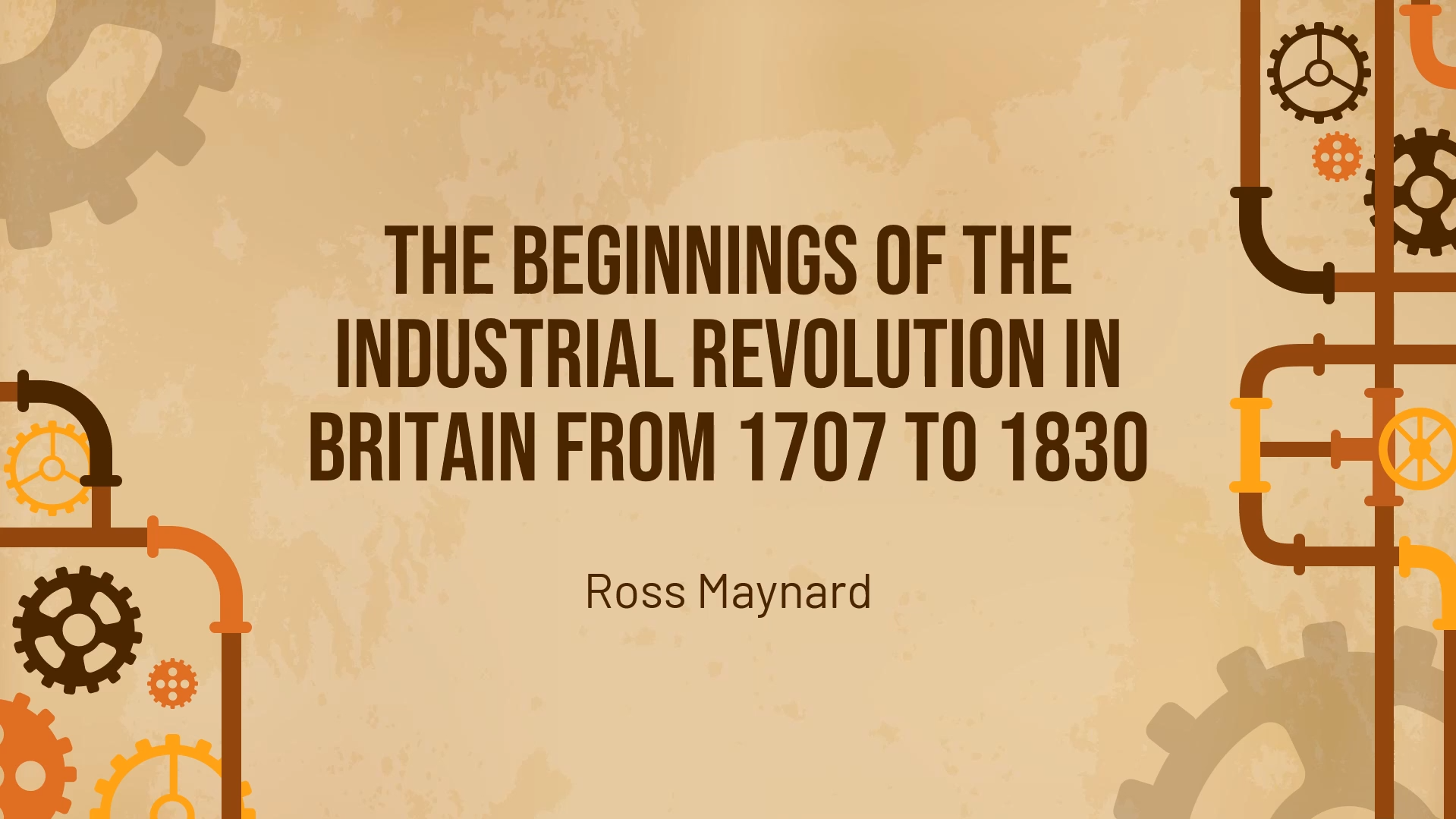
Course Preview

Learning Outcomes

By completing The Industrial Revolution in Great Britain course, you will be able to:

  • Understand the origins and causes of the Industrial Revolution in Great Britain
  • Identify key inventions and technological advancements that drove industrial growth
  • Analyse the role of the textile industry in early industrialisation
  • Explain the importance of steam engines and mechanisation in production
  • Understand the development of transportation systems and locomotion
  • Evaluate the impact of industrialisation on society and working conditions
  • Explore the role of engineering and scientific progress during the period
  • Recognise the contributions of diverse communities during the Industrial Revolution
  • Analyse the economic and global impact of industrial expansion
  • Apply historical knowledge to understand modern industrial and technological systems

Why Enrol in This Course?

The study of industrial history is highly relevant in today’s world, as many modern technologies and economic systems have their roots in the Industrial Revolution. Enrolling in The Industrial Revolution in Great Britain course allows you to gain valuable insights into how industries evolve and how innovation shapes society.
Key benefits include the following:

  • Gain in-depth knowledge of one of the most important periods in history
  • Understand the origins of modern industry and technology
  • Learn about key inventions that changed the world
  • Develop critical thinking and historical analysis skills
  • Explore social and economic transformations in detail
  • Flexible online learning accessible anytime, anywhere
  • No prior experience required, making it suitable for beginners

This course is ideal for learners who want to understand the foundations of modern civilisation and industrial development.

Who is this course for?

The Industrial Revolution in Great Britain course is suitable for a wide range of learners, including:

  • Students studying history, economics, or social sciences
  • History enthusiasts interested in industrial development
  • Teachers and educators seeking additional subject knowledge
  • Professionals in engineering or business wanting a historical context
  • Researchers exploring industrial and technological evolution
  • Anyone interested in understanding how modern society developed

Whether you are new to the subject or looking to deepen your understanding, this course provides valuable insights into industrial history.

Prerequisites

There are no formal entry requirements for this course. It is designed to be accessible to learners from all backgrounds.

However, the following may be helpful:

  • Basic understanding of English
  • Interest in history or industrial development
  • Curiosity about technological and social change
  • Motivation to learn and explore historical concepts

This makes the course suitable for beginners as well as those seeking to expand their academic knowledge.

Assessment Method

To successfully complete The Industrial Revolution in Great Britain course, learners will undertake an automated multiple-choice assessment.

This assessment is designed to evaluate your understanding of key historical events, technological developments, and societal changes associated with the Industrial Revolution.

You will also have access to supporting learning materials that reinforce your knowledge and help you apply historical concepts effectively.

Certification


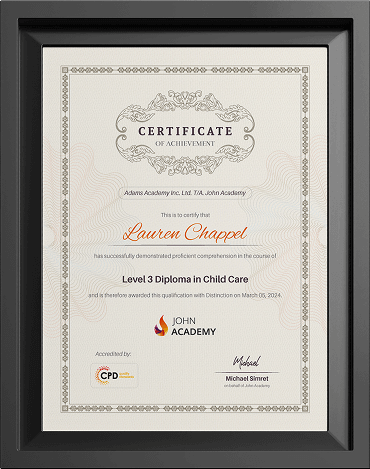
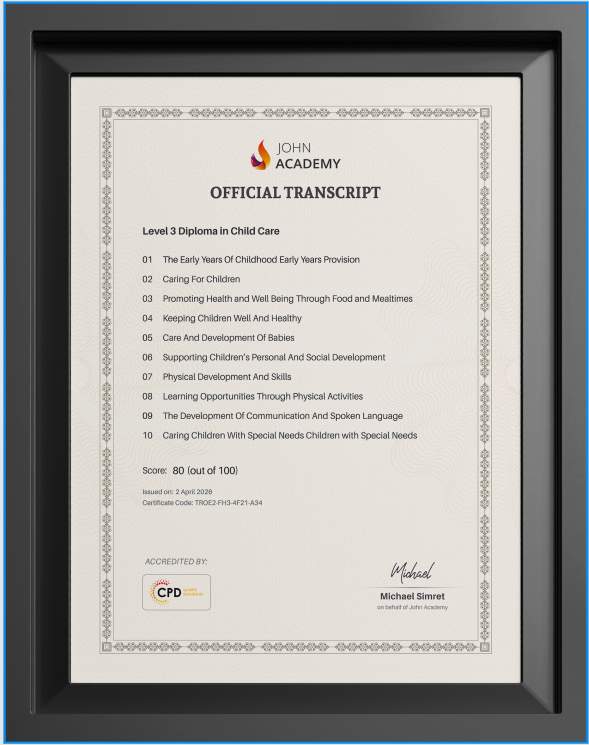
Upon successful completion of the course, you will receive a certificate and transcript recognising your achievement.

This certification demonstrates your understanding of the Industrial Revolution and its impact on modern society. It can be used to enhance your academic profile or professional CV.

You will receive:

  • A digital certificate for immediate access
  • A printed certificate for professional use

This qualification supports your personal and professional development in fields related to history, education, and research.

John-Certificate-MockupJohn-Certificate-Mockup

Career Path

Completing The Industrial Revolution in Great Britain course can support a variety of academic and professional pathways. While it is primarily knowledge-based, the skills developed are valuable in many careers.

Potential career opportunities include:

History Researcher – £25,000 to £45,000 annually

Conduct research and analysis on historical events and trends

Teacher or Educator – £28,000 to £50,000 annually

Teach history or social sciences in schools or institutions

Museum or Heritage Officer – £22,000 to £40,000 annually

Manage historical collections and exhibitions

Content Writer / Historian Blogger – £20,000 to £45,000 annually

Create educational content related to history and industry

Academic or Lecturer – £35,000 to £70,000 annually

Teach and research at higher education institutions

Course Curriculum

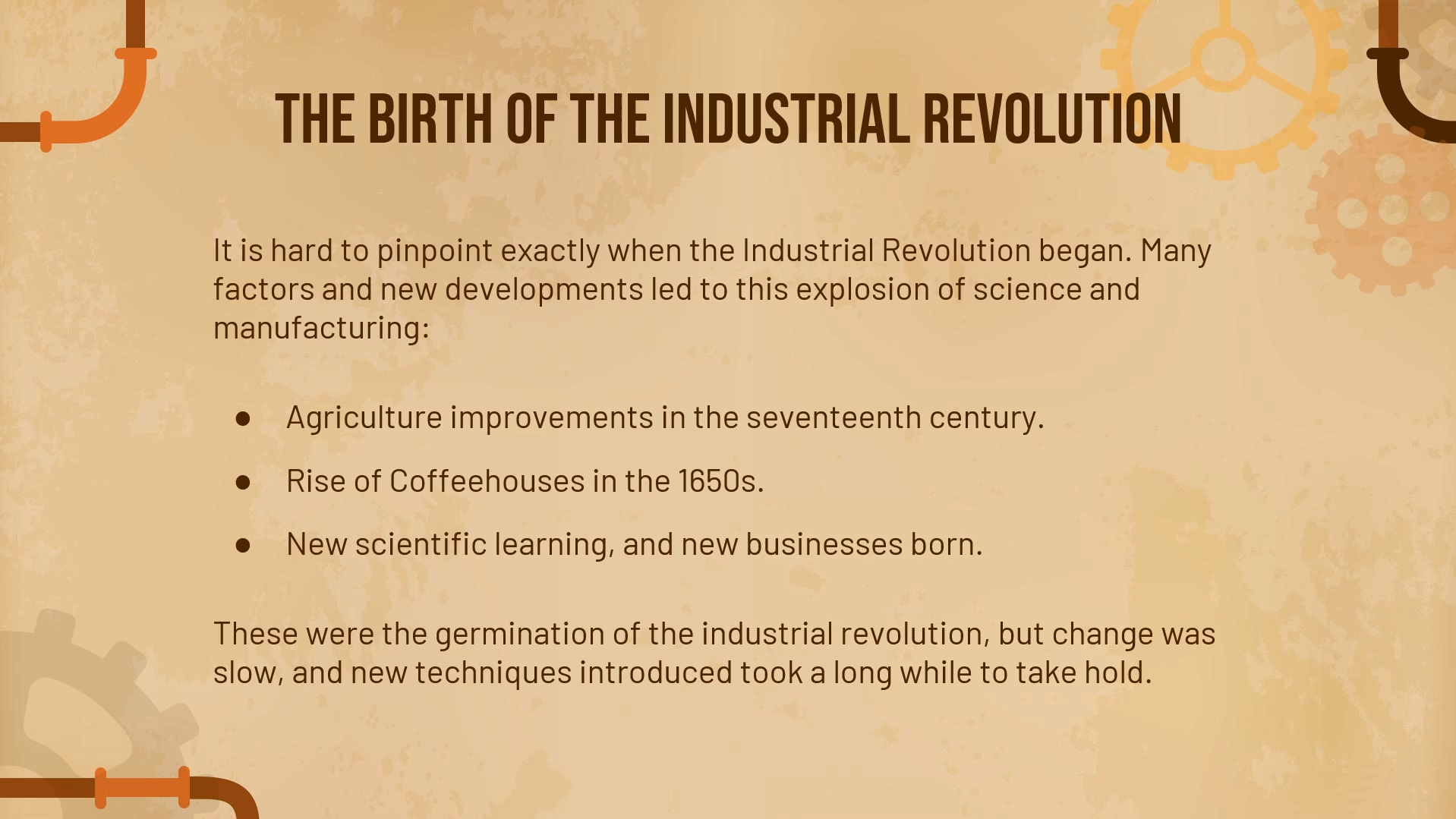
  • video Module 01: The Birth of the Industrial Revolution in Britain
    00:06:00
  • video Module 02: The Textiles Revolution
    00:14:00
  • video Module 03: The Birth of the Steam Engine
    00:10:00
  • video Module 04: The Age of Steam Locomotion
    00:15:00
  • video Module 05: Fueling the Industrial Revolution
    00:09:00
  • video Module 06: The Engineering Revolution
    00:06:00
  • video Module 07: The Scientific Revolution
    00:18:00
  • video Module 08: Black Lives in the Industrial Revolution
    00:05:00
  • video Module 09: The Birth of the Industrial Revolution
    00:04:00
  • video Module 10: The Industrial Revolution History Quiz
    00:19:00

Frequently Asked Questions

What started the Industrial Revolution in Great Britain?

The Industrial Revolution began through advances in manufacturing, trade, agriculture, and transportation. Britain’s growing population, access to coal, and technological inventions helped factories expand rapidly, transforming industries and changing how goods were produced across the country.

How did steam engines change British industries?

Steam engines powered factories, mines, and transportation during the Industrial Revolution. They increased production speed, reduced manual labor, and improved efficiency. Steam-powered locomotives and machines also helped businesses transport goods faster throughout Great Britain and beyond.

Why was the textile industry important in Britain?

The textile industry became a major driver of Britain’s Industrial Revolution. New machines like spinning frames and power looms increased cloth production dramatically. Textile factories created jobs, boosted trade, and encouraged rapid industrial growth across British cities.

How did railways impact the Industrial Revolution?

Railways transformed transportation during the Industrial Revolution by moving people and goods quickly across Britain. Steam locomotives improved trade, connected industrial cities, lowered transportation costs, and supported the expansion of factories, mining, and national economic development.

What were the social effects of industrialisation in Britain?

Industrialisation changed daily life in Britain through urban growth, factory employment, and technological progress. While it created economic opportunities, it also caused overcrowded cities, difficult working conditions, and social inequality, leading to important political and labor reforms later.